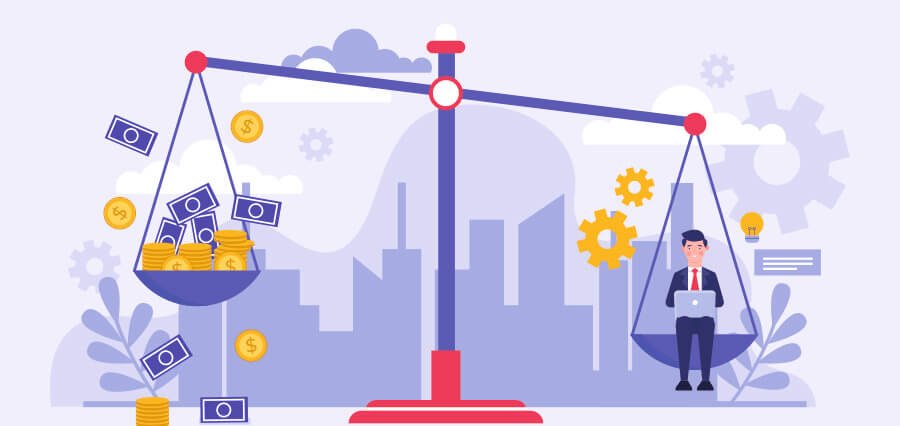





Healthcare systems worldwide are experiencing sustained strain as patient volumes rise, disease burdens expand, and technological advancements accelerate. Although the pace of innovation in diagnostics, therapeutics and digital health has increased, the human resources needed to provide these improvements are under pressure. The shortage of workforce, the deficiency of the skills, and the imbalance between the trained professionals is becoming a structural issue instead of a transient phenomenon. The outcome is an increase in disparity between the demand and service capacity of health care. The standards of quality are increasing, data-driven decision making is evolving as the norm and care models are changing to integrated and value-based models. These changes demand not only an increased number of healthcare personnel but also a labour force possessing novel skills.
Growing Workforce Gaps
The scarcity of doctors, nurses, and allied health professionals represents one of the most urgent challenges confronting the healthcare sector today. Retirement rates in most areas are exceeding the rate of new members to the profession. Scaling capacity can also be a challenge because training pipelines are usually limited due to limited faculty, infrastructure and funding. The inequity of access to care is disproportionate to rural and underserved areas which results in late treatment. These gaps are further worsened by burnouts and attrition especially in the high intensity specialties of emergency medicine, critical care, and oncology.
In addition to material scarcity, there is a qualitative discrepancy between the skills and the new healthcare demands. Multidisciplinary teams and long-term management plans are needed in chronic diseases, mental health conditions and geriatric care. Nevertheless, the past models of training focused on epistolary and acute care. This divergence narrows the responsiveness of the system and overloads the tertiary facilities. The solution to workforce gaps thus requires a two-fold attention of the increased number of heads and training frameworks reorganization to meet current health priorities.
Technology and Skill Transformation
The professional roles are being transformed by the introduction of digital technologies into the healthcare delivery. Clinical workflows are now integrated with electronic health records, telemedicine systems, artificial intelligence tools, and remote monitoring systems. Although these technologies are expected to be efficient and yield better results, they demand healthcare professionals to acquire skills in data interpretation, online communication, and security awareness. The lack of these competencies may decrease the efficiency of technological investments and develop the resistance to adoption.
Distribution of tasks in healthcare teams is also being redefined by artificial intelligence and automation. Algorithms are becoming increasingly useful in routine administrative activities, as well as in diagnosis of diseases. This movement does not undermine the significance of clinicians but changes the type of work that they perform. There is more focus on decision making, involvement with patients and moral supervision. This means the education systems need to include the training in digital literacy, critical thinking and human centered care to make sure that the professionals are viable in the technology enabled environments.
Education and Policy Reforms
The key to having a strong workforce lies in reforming healthcare education. The academic institutions should update their curricula to accommodate interdisciplinary teamwork and the clinical environment. The gap between theory and practice can be overcome with the help of simulation-based training, problem-oriented learning, and exposure to community health settings. Hospital-university-industry relationships may also help in gaining access to emerging technologies, as well as to make graduates ready to adapt to changing clinical needs.
Policy interventions are also important. Governments and health systems should invest in increasing capacity of trainings, provide incentives to work in underserved areas and encourage lifelong learning. Establishing flexible career options can also be used to retain seasoned professionals. Also, effective models of workforce planning that apply data analytics to make demand predictions can inform resource allocation and avoid recurring shortages. This will need a concerted effort to integrate education, regulation and workforce policy to maintain long term delivery of healthcare.
Conclusion
The issues of healthcare workforce are complex and highly intertwined with more general tendencies in society, technology, and the economy. They need to be taken care of beyond short-term recruitment drives. It demands a strategic investment in education change, development of digital skills, alignment of policy, and professional well-being. Since healthcare systems are ever-changing, the capability to develop a diverse, flexible, and adaptable workforce will dictate their ability to provide high quality care. Skills imperative cannot be seen as a bonus that can be employed, but rather a prerequisite to sustainable healthcare in the decades to come.