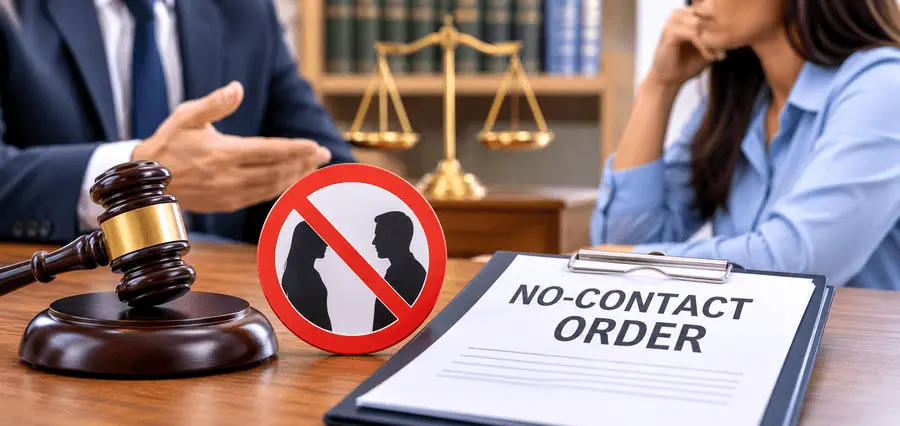




No-contact orders are commonly imposed during criminal proceedings to protect individuals and establish clear legal boundaries. However, misunderstandings about changing or removing these restrictions can create confusion for victims and accused individuals. Knowing how no-contact orders work, who can request changes, and what the court considers can help people make informed decisions while avoiding unnecessary legal complications.
1. A Victim Can Automatically Cancel a No-Contact Order
One common misconception is that a protected person can independently cancel a court-issued no-contact order. In reality, these restrictions remain legally binding until they are officially changed or removed through the appropriate legal process. People asking can a victim lift a no contact order should understand that expressing a desire to resume communication does not automatically remove the restriction. Fedorowicz Law can help individuals understand their legal options and the procedures involved in requesting changes to court conditions.
2. Simply Agreeing to Reconnect Removes the Restriction
Another misunderstanding is that mutual agreement between the protected person and the accused makes communication legally acceptable. Even if both individuals want to reconnect, an active no-contact order must still be followed. Informal agreements, text messages, or verbal permission do not override court-imposed conditions. Anyone considering resuming communication should first obtain proper legal guidance and ensure that the required court approval has been granted.
3. Every No-Contact Order Follows the Same Legal Process
Not all no-contact orders have identical requirements. The process for changing restrictions may depend on whether the conditions were imposed as part of bail, probation, or another court proceeding. Each situation can involve different legal procedures and decision-making authorities. Understanding the specific wording of an order is essential before requesting any changes. Reviewing the applicable conditions with a criminal lawyer can help clarify the available options.
4. A Victim’s Request Guarantees That the Order Will Be Lifted
A protected person’s wishes may be considered when a request to change a no-contact order is reviewed, but approval is not guaranteed. Courts may examine safety concerns, the circumstances of the case, and the interests of justice before making a decision. The court must consider the relevant legal requirements rather than relying solely on the preference of either individual. Understanding these considerations can help set realistic expectations.
5. Hiring a Lawyer Is Only Necessary for the Accused Person
Both protected individuals and accused persons may benefit from understanding their legal rights and responsibilities. A criminal lawyer can explain court procedures, clarify existing restrictions, and discuss possible options for requesting changes. Legal guidance can also help prevent misunderstandings that might lead to accidental violations. Having professional advice is especially valuable when the circumstances surrounding a no-contact order become complicated.
6. Contacting the Protected Person Before Approval Has No Legal Consequences
Even when communication is welcomed, contacting someone in violation of an active no-contact order can have serious legal consequences. Depending on the circumstances, the accused person may face additional charges or other court-related consequences. Individuals should respect all existing restrictions while a request for variation is being considered. Informal permission should never be treated as a replacement for official approval.
Understanding the Legal Process Before Taking Action
Lifting a no-contact order involves more than simply agreeing to resume communication. Understanding court conditions, following the proper procedures, and seeking legal advice can help individuals protect their rights and avoid unnecessary complications.