
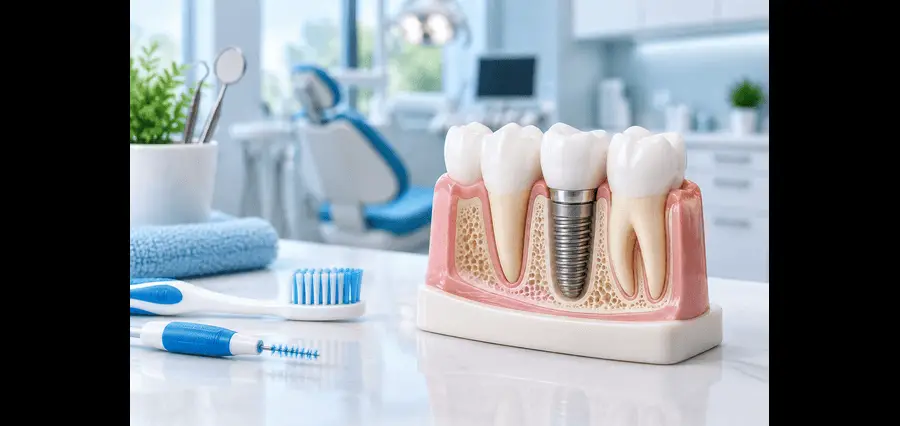



Dental implants offer a reliable solution for replacing missing teeth, restoring chewing ability, improving appearance, and supporting confidence. However, maintaining them properly is essential for protecting the implants and surrounding gum tissue. With consistent oral hygiene, regular dental appointments, and healthy lifestyle habits, patients can help preserve their dental implants and enjoy long-term results.
1. Get Professional Dental Implant Care With Doctors Implants
Choosing an experienced dental implant provider is an important step toward maintaining healthy and long-lasting implants. Professional guidance helps patients understand proper implant care, recognize potential complications, and receive appropriate treatment when needed. Doctors Implants provides dental implant services for individuals exploring tooth replacement options and professional dental care. Patients interested in learning more about available treatments can visit website to explore its services and discover whether its dental implant solutions meet their needs.
2. Practice Proper Daily Oral Hygiene
Although dental implants are artificial, the surrounding gums still require regular care. Brushing at least twice daily helps remove plaque, bacteria, and food particles that can accumulate around implant restorations. Using a soft-bristled toothbrush and non-abrasive toothpaste can help clean the area without damaging the restoration. Patients should also pay attention to the gumline and hard-to-reach areas to reduce the risk of inflammation and other implant-related complications.
3. Clean Between Your Teeth and Around Implants
Brushing alone may not remove all the debris between teeth and around dental implants. Daily flossing helps clean these spaces and reduces plaque buildup that can contribute to gum problems. Patients may also benefit from implant-friendly floss, interdental brushes, or water flossers, depending on their dental needs. Asking a dentist about suitable cleaning tools can help ensure that patients maintain an effective oral hygiene routine without damaging their implant restorations.
4. Schedule Regular Dental Checkups and Professional Cleanings
Routine dental visits allow professionals to monitor the condition of dental implants and surrounding tissues. During these appointments, dentists can check for signs of inflammation, plaque buildup, and changes in implant stability. Professional cleanings also help remove hardened deposits that regular brushing and flossing cannot eliminate. Following the recommended appointment schedule makes it easier to identify potential concerns early and maintain healthy gums around dental implants.
5. Avoid Smoking and Tobacco Products
Smoking and tobacco use can negatively affect gum health and blood circulation, potentially increasing the risk of dental implant complications. These habits may also interfere with healing following implant placement. Avoiding tobacco products can support healthier oral tissues and improve the chances of maintaining stable implants. Patients who smoke should consider discussing cessation strategies with a healthcare professional to protect their overall health and dental investment.
6. Maintain a Balanced Diet and Protect Implants From Excessive Pressure
Eating nutritious foods supports healthy gums and overall oral health. Calcium-rich foods, vitamin D sources, vegetables, and other nutrient-dense options can contribute to maintaining strong supporting structures. Patients should also avoid excessively hard foods that may damage implant restorations. Those who grind or clench their teeth may benefit from a custom night guard recommended by their dentist to reduce unnecessary pressure.
7. Follow Your Dentist’s Aftercare Instructions
Following personalized dental recommendations is essential for maintaining dental implants. Patients should follow prescribed medication instructions and recovery guidelines after implant procedures. They should also contact their dentist if they experience persistent pain, swelling, bleeding, or unusual movement around an implant. Addressing these symptoms promptly can help prevent complications and support long-term implant health.