



Selling a home often changes the way you look at your property. The ceiling stain you stopped noticing, the front door that sticks during summer, and the outdated hallway flooring suddenly become potential obstacles to securing a satisfactory offer.
However, preparing a property for sale does not mean renovating every room. Spending excessively on improvements can reduce your eventual profit, particularly when those projects fail to address what prospective buyers genuinely value.
A smarter approach involves examining your home through two different perspectives: that of a buyer attending a viewing and that of an inspector evaluating its condition. By addressing visible imperfections and underlying maintenance concerns, you can present a more attractive property while reducing complications during negotiations.
Address Roofing Problems Before They Become Negotiating Tools
A deteriorating roof can undermine buyer confidence even when the rest of your property looks immaculate. Missing shingles, damaged flashing, and visible sagging may raise concerns about water damage and potentially expensive structural repairs.
Start by checking your attic and ceilings for moisture stains, unexplained dampness, or signs of previous leaks. Examine the roof from ground level for visible deterioration.
If you discover signs of damage, have a qualified roofing company assess whether targeted repairs or a complete replacement would be more appropriate before putting your home on the market.
Consider the roof’s age, remaining service life, and overall condition before committing to substantial expenditure.
Keep inspection reports, repair invoices, and applicable warranties available for prospective buyers. Evidence of properly completed roofing work can help address concerns about future maintenance and prevent uncertainty from dominating price negotiations.
Eliminate the Signs of Neglected Exterior Maintenance
Prospective buyers often begin assessing a property’s maintenance history before entering the front door. Cracked siding, overflowing gutters, peeling paint, and deteriorating exterior trim can suggest that other responsibilities have also been overlooked.
Walk around your property and examine details you might normally ignore.
Repair damaged siding, secure loose gutter sections, and replace deteriorating exterior sealants where appropriate. Address drainage problems that allow water to accumulate near the foundation.
Pay attention to fences, porch railings, and exterior steps, especially if they show signs of instability.
These projects may lack the excitement of a kitchen renovation, but they address practical concerns that influence how buyers perceive ownership costs.
A well-maintained exterior communicates that the property has received consistent attention rather than a hurried cosmetic makeover immediately before listing.
Remove the Everyday Annoyances Buyers Will Discover During Viewings
Small household inconveniences become surprisingly noticeable when someone is experiencing your property for the first time.
A buyer might open a kitchen drawer that sticks, encounter a loose bathroom handle, or discover that a bedroom door refuses to close properly.
Individually, these issues may seem insignificant. Together, they can create an impression that the home requires considerable attention.
Test doors, windows, cabinets, faucets, and light switches throughout the property. Repair loose hardware, replace damaged fittings, and address minor plumbing problems.
Have electrical concerns investigated by a qualified professional rather than attempting unfamiliar repairs yourself.
Completing these relatively modest improvements can make the home feel more functional without introducing unnecessary renovation expenses.
Buyers should leave a viewing thinking about where their furniture will go, not mentally compiling a list of weekend repair projects.
Modernize the Kitchen Where It Matters Most
An outdated kitchen does not automatically require complete replacement before selling. In many cases, improving its most visible and frequently used features can create a substantial difference.
Examine cabinet doors, work surfaces, backsplash materials, and lighting. If the cabinetry remains structurally sound, repainting or refinishing it may provide a more economical alternative to replacement.
Replace damaged countertops when necessary and repair appliances that will remain with the property.
Improving task lighting above food preparation areas can also make the kitchen more practical and inviting.
Avoid installing expensive luxury features simply because they appear impressive in renovation magazines. Buyers may have entirely different preferences concerning appliances, cabinetry, and layout.
Your objective is to provide a clean, comfortable, functional kitchen that prospective owners can use immediately while retaining the freedom to personalize it later.
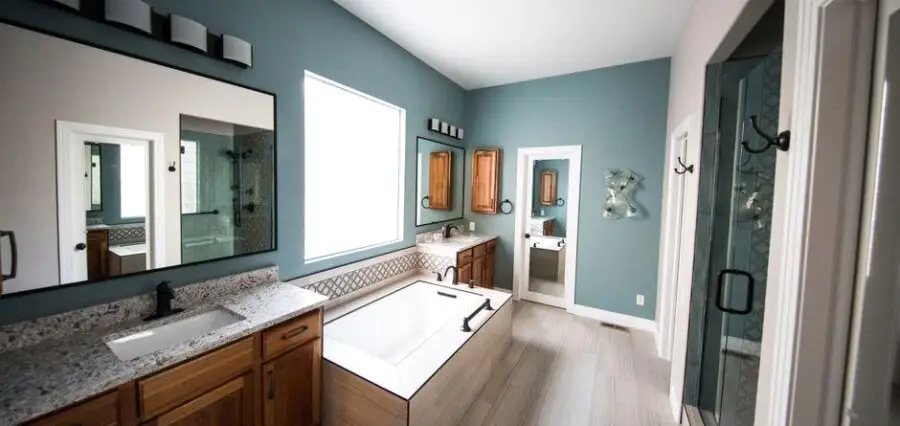
Make Bathrooms Feel Hygienic Rather Than Expensive
Bathrooms can influence purchasing decisions because buyers associate these spaces with personal comfort, cleanliness, and potentially disruptive renovations.
Discolored grout, deteriorating shower seals, stained fixtures, and persistent moisture problems can undermine an otherwise attractive bathroom.
Begin by addressing leaks and ventilation issues. Replace damaged caulking, restore grout where appropriate, and install an effective exhaust fan if existing ventilation is inadequate.
A new mirror, updated vanity lighting, and coordinated hardware can improve appearance without requiring major construction.
If a bathtub or shower enclosure has significant damage, investigate appropriate repair or replacement options.
Choose neutral finishes that accommodate different decorating preferences.
A bathroom does not need marble countertops or elaborate fixtures to appeal to buyers. A bright, dry, well-maintained space can communicate more practical value than an unnecessarily expensive renovation.
Restore the Surfaces That Tell Your Home’s Story
Walls and flooring reveal years of everyday activity. Scuff marks, scratched floorboards, faded paint, and worn carpeting may make a property appear older than it actually is.
Fortunately, improving these surfaces does not always require extensive expenditure.
Refinishing existing hardwood floors can restore their appearance while preserving original materials. Replacing badly damaged carpeting or inconsistent flooring may help adjoining rooms feel more connected.
Fresh paint can also transform interiors, particularly when existing colors are unusually dark or highly personalized.
Select complementary neutral shades that work with the property’s natural lighting and architectural features.
Before repainting walls or ceilings, investigate stains and cracks to determine whether underlying problems require attention.
Cosmetic improvements should complement necessary repairs, never conceal unresolved defects that could affect future occupants.
Give Buyers Confidence in the Home’s Essential Systems
Attractive interiors may generate initial interest, but essential household systems often influence whether buyers feel comfortable proceeding with a purchase.
An aging water heater, unreliable air conditioning system, or outdated electrical installation can introduce uncertainty about future expenses.
Arrange appropriate servicing and inspections for major household equipment. Address known plumbing problems, inefficient ventilation, and malfunctioning heating or cooling components.
However, avoid replacing every older appliance or mechanical system simply because it is no longer new. Equipment that remains safe, functional, and properly maintained may not require immediate replacement.
Gather maintenance records, installation documents, and warranty information before listing.
Be transparent about known defects and comply with applicable property disclosure requirements.
Providing clear information about essential systems allows buyers to evaluate the property with greater confidence and reduces avoidable surprises during the transaction.
Build Your Renovation Budget Around the Sale, Not Your Personal Taste
Before approving any home improvement project, consider how it contributes to your selling objectives.
Consult a local real estate professional about neighborhood expectations, comparable properties, and typical buyer concerns. An improvement that makes financial sense in one housing market may offer limited returns in another.
Prioritize safety concerns, structural repairs, functional improvements, and affordable cosmetic updates before considering major discretionary renovations.
Obtain multiple estimates for substantial projects and establish a contingency fund for unexpected expenses.
Remember that renovation costs are not necessarily recovered in full through a higher selling price.
The strongest pre-sale strategy is rarely the most elaborate one. It involves resolving the concerns that might discourage offers, improving the features that attract attention, and avoiding unnecessary spending.
When buyers can picture themselves settling into your home instead of inheriting a lengthy repair schedule, your property becomes a considerably more attractive proposition.