



Preparing to sell your home in Texas can make every outdated fixture, scratched surface, and unfinished project suddenly seem important. However, spending money on renovations does not automatically translate into a higher selling price. Some improvements create immediate buyer interest, while others barely influence purchasing decisions despite their high cost.
The most effective upgrades address the features buyers notice, the problems they want to avoid, and the conveniences they envision enjoying after moving in. Instead of transforming your property into your personal dream home, focus on making it appealing to a broader market.
Understanding where to invest can help you strengthen your home’s marketability without exhausting your renovation budget before listing.
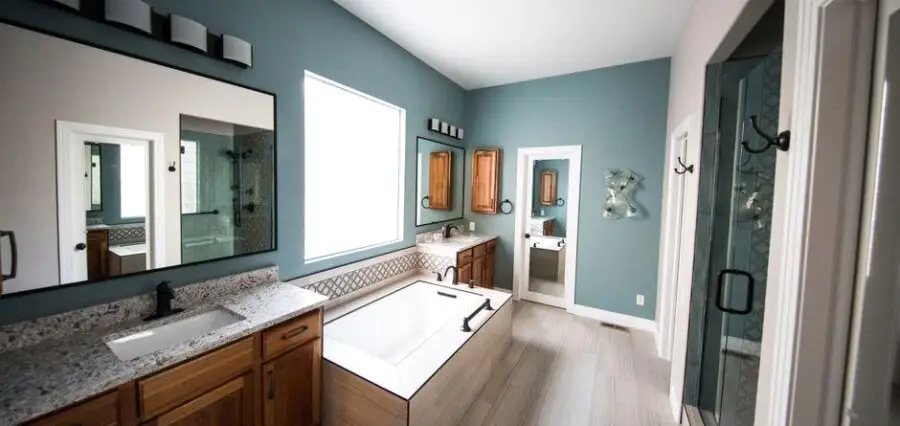
Transform an Outdated Bathroom Into a Move-In-Ready Retreat
Bathrooms receive considerable scrutiny during property viewings because updating them can involve expensive plumbing work, demolition, and considerable inconvenience. Stained surfaces, deteriorating grout, and outdated shower enclosures can leave buyers questioning the property’s overall condition.
Getting a remodel estimate from Bath King in Texas can help homeowners establish whether updating an aging shower or bathtub makes financial sense before listing their property.
A complete bathroom renovation may not be necessary to achieve a meaningful improvement. Replacing worn fixtures, installing a modern vanity, improving ventilation, and refreshing damaged surfaces can make the room feel significantly more inviting.
Choose neutral finishes that accommodate different decorating preferences. Buyers generally appreciate bathrooms that feel clean, functional, and comfortable without requiring immediate attention. Prioritize practical improvements over expensive decorative features that may not justify their cost.
Give Your Kitchen a Facelift Without Gutting It
Kitchens frequently influence purchasing decisions because they serve as central spaces for cooking, entertaining, and family interaction. However, completely rebuilding a kitchen before selling can consume a substantial portion of your potential profit.
Start by evaluating cabinet condition, countertop appearance, lighting, and appliance functionality. Structurally sound cabinets may benefit from refinishing rather than replacement. Updated handles and drawer pulls can also modernize the room at a relatively modest cost.
Replacing a damaged countertop or installing a simple backsplash can create a more cohesive appearance without extensive construction.
Avoid selecting bold finishes that appeal narrowly to your personal taste. Natural tones, understated hardware, and practical surfaces generally offer greater flexibility for future occupants.
A kitchen that looks well-maintained and ready for daily use can make a stronger impression than an expensive renovation with questionable design choices.
Make the Front Entrance Work Harder for Your Asking Price
Buyers begin evaluating your property before they step inside. An unattractive entrance can influence their expectations about the rest of the house, even when the interior has received significant attention.
Examine your front door, exterior lighting, walkway, landscaping, and visible siding. Peeling paint, overgrown vegetation, and damaged exterior fixtures can suggest neglected maintenance.
Repainting the front door, replacing outdated house numbers, and installing attractive outdoor lighting can improve the entrance without requiring major investment.
Landscaping deserves particular attention. Trim overgrown shrubs, remove weeds, refresh planting beds, and repair damaged pathways. Choose manageable plants rather than elaborate garden designs that might intimidate buyers concerned about maintenance.
A welcoming entrance creates positive expectations and helps property photographs stand out when prospective buyers are comparing listings online.
Create the Illusion of More Space Through Better Lighting
Dark interiors can make even generously sized rooms appear cramped and outdated. Improving lighting is an effective way to change how buyers perceive your home’s dimensions and atmosphere.
Begin by maximizing available natural light. Clean windows thoroughly, replace heavy curtains, and remove furniture that obstructs sunlight.
Next, evaluate artificial lighting throughout the property. Outdated fixtures, inconsistent bulb temperatures, and poorly illuminated corners can undermine otherwise attractive spaces.
Installing contemporary ceiling fixtures and adding task lighting in kitchens and bathrooms can improve functionality while creating a more polished appearance.
Use consistent, comfortable lighting temperatures in adjoining rooms to establish visual continuity.
Well-lit interiors also tend to photograph more effectively. Since many buyers form their initial opinions through online listings, improved lighting can strengthen your property’s appeal before an in-person viewing takes place.
Replace Flooring That Makes the Entire House Feel Older
Flooring connects different areas of a home, which means its condition influences the overall impression buyers develop while walking through the property.
Worn carpeting, damaged laminate, cracked tiles, and inconsistent flooring materials can make individual rooms feel disconnected or poorly maintained.
If existing hardwood floors remain structurally sound, refinishing them may offer better value than installing entirely new flooring. Alternatively, replacing heavily damaged materials with durable, neutral alternatives can improve appearance and functionality.
Avoid introducing too many flooring styles throughout adjoining living spaces. Consistent materials can create visual continuity and make smaller homes feel more spacious.
Consider the property’s price range before selecting premium materials. Your goal is to meet buyer expectations without investing in finishes unlikely to generate sufficient returns.
Comfortable, attractive flooring helps establish a sense of readiness that buyers value.
Upgrade the Features That Lower Future Ownership Costs
A beautiful home becomes less attractive when buyers anticipate expensive utility bills or major equipment replacements shortly after moving in.
Energy-efficient improvements and essential system upgrades can help address these concerns. Depending on your property’s condition, worthwhile projects might include improving attic insulation, sealing air leaks, replacing deteriorating weatherstripping, or servicing heating and cooling equipment.
Check the condition of your water heater and other major household systems before listing. Addressing existing performance problems may prevent complications during inspections and negotiations.
Keep maintenance records, warranties, and relevant installation documents organized. These materials help demonstrate responsible ownership and provide reassurance about recent improvements.
However, replacing functional equipment solely to advertise newer systems is not always financially sensible. Evaluate each upgrade according to its condition, expected remaining lifespan, and relevance to prospective buyers.
Turn Underused Areas Into Clearly Defined Living Spaces
Buyers often struggle to recognize the potential of rooms without an obvious purpose. An unused bedroom filled with storage boxes or a neglected basement can appear less valuable than its dimensions suggest.
Simple improvements can help prospective owners imagine practical uses for these spaces.
Transform a spare bedroom into a functional home office with fresh paint, suitable lighting, and appropriately sized furniture. Organize utility rooms to demonstrate storage capacity and improve accessibility.
A covered patio can become an inviting outdoor living area with comfortable seating and modest decorative touches.
These changes do not necessarily require structural renovations. Instead, they reveal functionality that already exists within the property.
Demonstrating how available space supports everyday activities can strengthen buyer interest without the expense of constructing additional rooms or expanding the home’s footprint.
Fix the Problems Buyers Will Use to Negotiate a Lower Price
Before investing in cosmetic improvements, address maintenance issues that could weaken your negotiating position.
Leaking faucets, damaged drywall, sticking doors, missing caulking, and faulty electrical fixtures can create an impression of widespread neglect. More significant concerns involving roofing, moisture intrusion, or plumbing deserve professional evaluation.
Consider discussing renovation priorities with a local real estate professional who understands comparable properties and neighborhood expectations.
Establish a realistic budget and concentrate on improvements that solve identifiable problems rather than chasing luxury.
Ultimately, the most valuable pre-sale upgrades reduce buyer uncertainty, improve everyday functionality, and establish a positive first impression. When prospective owners can envision moving in without inheriting an extensive repair list, your property becomes a more compelling option in a competitive housing market.