



Across the industrial world, steady growth has become harder to secure. Interest rates shift, input costs rise, and budgets drawn up at the start of a year are often outdated within months. In this climate, the role of the finance leader has changed, and boardrooms now rely on them for far more than reporting.
The change is particularly clear in manufacturing, where investments in plants and equipment, along with long-term borrowing, make financial decisions especially important. A single mistake can affect a company for years. Businesses in this sector need finance leaders who can understand the numbers, guide their teams, and make sound decisions even when conditions are uncertain.
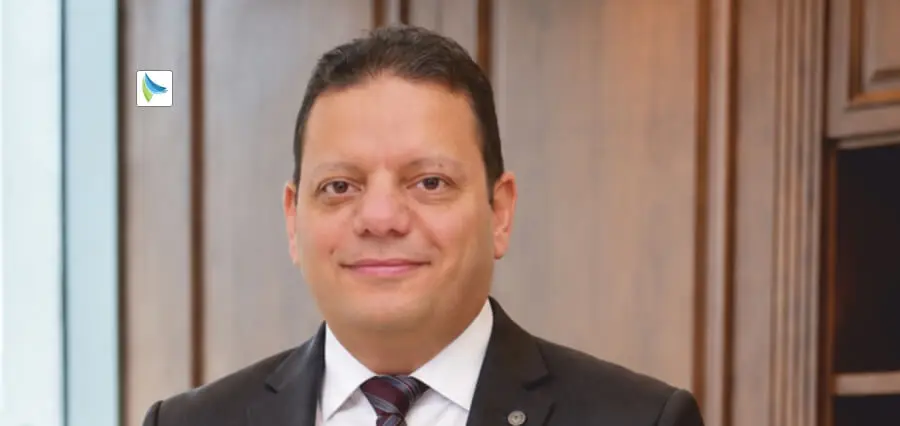
Dr. Atef Mohammed Elgohary, Chief Financial Officer and Vice President of Saudi Lime Industries Co., plays an important role in guiding the company’s financial strategy. He has held senior positions in listed industrial and building materials companies across the region and has also established his own consulting practice.
His approach to leadership is rooted in strong analytical discipline, a clear vision for the future and unwavering honesty. He believes that financial decisions should not only strengthen business performance but also consider the people who contribute to the organisation’s success.
Let’s explore how Dr. Atef’s financial expertise, leadership principles, and strategic vision are helping strengthen industrial businesses and build lasting value!
A Journey Shaped by Industrial Leadership
Dr. Atef’s leadership philosophy is straightforward: “Financial leadership is about building strong businesses, creating real value, and empowering people.” He believes that the role of a CFO extends beyond accounting, reviewing past numbers, and checking compliance requirements. A modern CFO is a strategic partner to the CEO, helping turn complex financial plans into real, day-to-day business success.
His approach developed through a long journey leading major industrial companies in the region. Working at the top financial level in publicly traded industrial and building material companies became his greatest learning experience. These heavy industries taught him that market changes, price swings, and economic shifts are normal parts of business, not unexpected surprises.
One defining moment came during a major company turnaround, when the business faced heavy loan pressures, rising costs, and a worried workforce. The experience showed him that understanding financial numbers is not enough if a leader cannot communicate clearly with the team. The response involved fixing cash flow cycles, renegotiating long-term bank loans, and creating clear, open reports connecting factory workers to the boardroom.
Through this experience, he learned that leadership requires more than calculating profit margins. It involves connecting financial performance with human goals and building companies capable of managing difficult conditions while continuing to work toward long-term success.
Principles Built on Honesty and Accountability
When business conditions become difficult and uncertainty grows, Dr. Atef believes leaders must rely on firm personal principles. His leadership is guided by four values: honesty, clear transparency, fact-based thinking, and personal accountability.
Honesty is the foundation of his approach. Whether preparing official financial reports, valuing assets, or negotiating large bank loans, remaining ethical is essential. In finance, trust depends on credibility, and once it is lost, it can never be fully regained.
He ensures that these values influence daily operations rather than remaining written words on a wall. In executive meetings, he practices complete transparency. If a project is not generating its expected returns or rising costs are affecting profits, the team examines the facts without hiding anything. Plans are tested against difficult market scenarios instead of simply hoping for the best.
This approach places sound judgment and good governance ahead of personal convenience. By making financial information clear and encouraging teams to face business realities directly, he seeks to establish an environment where ethical conduct becomes a natural part of organizational decision-making.
Building Trust Through Consistency
For Dr. Atef, trust cannot be demanded through a senior job title. It is earned over time through consistent results, honesty, openness, and respect. An executive leader establishes credibility by keeping promises and treating people with dignity.
He builds trust by giving his team clear direction. When markets are uncertain, leaders must bring calm and clarity. Large and complex business goals are broken down into simple, practical milestones so that every employee understands their role in the company’s success.
Personal accountability is equally important. When the team succeeds, he puts its members in the spotlight and celebrates their hard work. When problems arise, he steps forward and accepts responsibility as the leader. This distinction reflects his belief that leadership involves sharing recognition while accepting responsibility for difficult outcomes.
He also believes that credibility requires continuous learning. Financial standards, modern tools, and market trends continue to change, and leaders cannot manage a changing economy if their knowledge remains outdated. By staying informed, honoring commitments, and treating people with genuine dignity, leaders can build trust into one of their team’s greatest strengths.
Balancing Empathy with Performance
Dr. Atef does not believe that kindness and high performance are opposing principles. Genuine empathy does not mean lowering standards or avoiding difficult conversations. It means understanding the daily pressures employees face while ensuring that these challenges do not harm the company’s goals.
His approach begins with clear expectations and honest dialogue. When setting targets across finance and operations, he involves team leaders directly. Goals must be clear, timelines realistic, and performance metrics easy to measure.
When someone falls behind, he first seeks to understand the reasons before assigning blame. The issue may involve a lack of training, missing tools, or a heavy workload. In such situations, direct mentoring and support can help employees improve their performance.
However, empathy does not remove the need for accountability. If poor performance continues and harms the business, a leader must make a firm decision. He believes that “Making tough choices with respect and fairness is essential to protect high-performing employees and keep the company healthy.”
By combining practical support with measurable expectations, he aims to create a workplace where people receive a fair opportunity to succeed while remaining accountable for their responsibilities.
Encouraging Fresh Thinking in Manufacturing
In traditional manufacturing industries, repeating old routines can prevent companies from growing. Dr. Atef believes that saying, “we do it this way because we always have,” stops businesses from finding better ways to operate. He therefore actively encourages curiosity and fresh ideas.
For him, encouraging innovation begins with removing fear. In strategy meetings, good ideas matter more than job titles. An idea from a junior analyst deserves to be heard just as much as one from a senior director. He encourages his team to question standard routines, review old supplier contracts, and rethink cost structures from scratch.
Creating an environment where people feel safe to speak up is essential. If employees fear being blamed for questioning an established process, they are likely to remain silent. When someone proposes an idea, such as automating a routine report or improving inventory tracking, the team tests it through a small pilot.
Even when a project does not work out, the effort is recognized and the experience becomes an opportunity to learn. This approach encourages employees to explore alternatives, challenge existing practices, and search for better ways to work without being discouraged by every unsuccessful attempt.
Combining Technology with Human Judgment
Technology and smart software are changing how modern companies manage finance. Dr. Atef’s view on this is clear: “Technology gives us fast numbers and precise data, but human judgment gives us wisdom, context, and good ethics.”
Modern software can calculate cash flows, check cost differences, and run complex forecasts in seconds. However, computers cannot negotiate bank agreements, read the mood of a boardroom, understand human concerns, or inspire employees during difficult business changes. Data shows what is happening, but leadership determines what to do next.
In an increasingly digital business environment, he identifies three essential capabilities for finance leaders.
The first is understanding technology and data. Finance leaders must know how to use digital systems to discover useful business insights rather than simply review historical reports. The second is critical thinking, including an understanding of the limits of data and the recognition that market trends and human feelings cannot always be represented in charts. The third is strong governance and ethics, ensuring that technology tools comply with accounting standards, government regulations, and fair business practices.
For him, technological advancement does not remove the need for human responsibility. Instead, it makes sound judgment, critical thinking, and ethical decision-making even more important.
Adapting Leadership to Changing Conditions
A great leader must be flexible. Dr. Atef believes that the same management style cannot be applied to every situation. Changing interest rates, supply issues, and economic cycles require leaders to understand when to give clear, direct instructions and when to step back and allow the team to take the lead.
During difficult market conditions or company turnarounds, he stays close to daily operations. He checks cash flow frequently, monitors key costs closely, and provides direct guidance to protect the business. When the company is stable and growing, he gives department heads greater freedom to manage their areas and improve efficiency independently.
Helping teams manage uncertainty also requires calm communication. Fear grows when people do not know what is happening, making it important for leaders to share the truth honestly and explain a clear plan of action. When employees see leadership managing cash safely and remaining steady under pressure, they feel more confident and secure.
This flexible approach allows him to respond to immediate financial pressures while giving teams the independence needed to strengthen operations and support continued growth.
Developing the Next Generation of Leaders
Identifying future leaders requires looking beyond routine technical skills. Many people can prepare financial sheets or run spreadsheets, but Dr. Atef believes that future leaders distinguish themselves through curiosity, emotional balance, initiative, and a calm attitude during stressful moments.
When mentoring rising talent, he looks for individuals who search for the real causes of problems and take full ownership of their work. Once he identifies this potential, he helps individuals grow by assigning challenging tasks outside their comfort zones, involving them in board meetings, allowing them to lead important projects, and including them in major business discussions.
His guidance rests on four important lessons. Future leaders must take complete ownership and avoid bringing problems to leadership without also presenting well-thought-out solutions. They must understand the whole business by learning how factories and commercial operations work, rather than focusing only on financial accounts. Finance exists to help the real business grow.
They must also have the courage to tell the truth, particularly when financial realities are difficult for senior management to hear. Finally, they must train their successors. For him, a leader’s real success is not being indispensable but building a strong team capable of running the company successfully in the future.
By giving emerging leaders responsibility, exposure, and opportunities to make decisions, he aims to develop people who can contribute independently and protect the long-term strength of the organization.
Transforming Businesses Through Financial Discipline
Among Dr. Atef’s proudest achievements are leading successful company turnarounds, handling major business acquisitions, and establishing strong governance standards across major industrial institutions. These accomplishments reflect his belief that financial decisions must support long-term business strength rather than focus on individual transactions or reports.
In heavy manufacturing, financial mistakes can affect a company for many years. Throughout his career, he led complete financial recoveries for listed industrial companies. These efforts included restructuring heavy bank debts to make payments manageable, lowering borrowing costs, and establishing clear cash flow forecasting systems that helped turn struggling businesses into profitable, cash-generating operations.
Alongside financial restructuring, he led major corporate valuations and acquisition evaluations. The work involved carefully analyzing share-swap ratios and business synergies to ensure that strategic deals protected long-term shareholder value and strengthened market position.
He also helped establish strong internal governance systems through the adoption of modern IFRS accounting standards and risk management practices. For him, the significance of this work lies in demonstrating how smart debt management, strategic business growth, and clean corporate governance can work together to build strong industrial businesses, support shareholder returns, and contribute to industrial growth.
Building a Lasting Leadership Legacy
Looking back at his journey across executive leadership, industrial management, and business advisory, Dr. Atef wants his legacy to extend beyond profit numbers and transaction sizes. He wants it to reflect the strong institutions built, the high ethical standards established, and the future leaders developed throughout his career.
Beyond his executive role at Saudi Lime Industries Co., his commitment to building long-term business value inspired him to establish Future Dimensions For Consulting & Business Solutions. Through this consulting firm, he shares decades of financial and executive experience with growing businesses, helping them with fractional CFO leadership, financial restructuring, and solid governance frameworks.
His wider vision is to demonstrate that financial discipline, strong ethics, and genuine care for people can work together successfully at the highest levels of business management. He hopes that the systems and standards developed throughout his career will continue to protect investments and support sustainable jobs for many years to come.
For future finance leaders, his message is clear: “Never look at finance as just numbers and bookkeeping; look at it as a powerful tool to build better companies. Master your financial craft, but lead your people and run your business with courage, modesty, and honesty.”
Ultimately, Dr. Atef Mohammed Elgohary measures leadership by the strength of the organizations leaders leave behind and the people they inspire along the way. His approach brings financial discipline and human responsibility together, with a lasting commitment to building businesses that can remain strong, ethical, and successful well into the future.