



A real estate advisor’s approach to evidence, accountability and trust
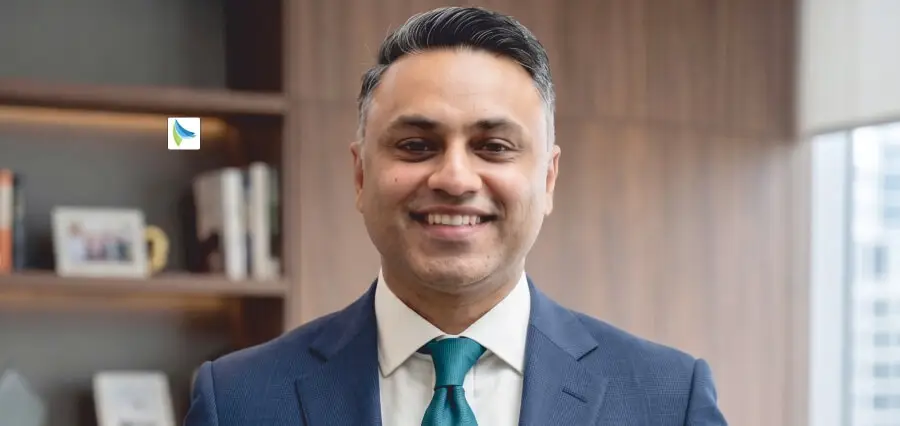
Every real estate investment begins with expectations. The challenge is separating an attractive promise from a result the evidence can support. Usman Noor, Co-Founder and Managing Partner at Elevate Realty UAE, has built his advisory approach around that distinction. If a brochure promotes an 18 per cent return but the available market evidence supports nine per cent, he says he presents the more conservative figure. If he has reservations about a project, he raises them—even when a client is already interested.
For Noor, credibility depends on facts, accountability and clear communication. He looks beyond headline prices and marketing claims to consider the realities of ownership, including costs, delivery risk and the responsibilities that continue after a property is purchased. His objective is not simply to complete a transaction, but to help clients make informed decisions and build relationships that last.
Growth Through Purpose
Noor’s career did not begin in real estate. After graduating in Lahore, he started working in the textile sector, but gradually realised that the field did not fit his interests or ambitions. He eventually decided to move to the UAE and pursue a different direction.
Before securing his first role, he visited Business Bay and watched DAMAC’s cranes rising around the Burj Khalifa. He remembers hoping that he would one day work for DAMAC. About forty days later, a third-party recruiter placed him with the company. He knew the role involved sales, although he did not yet fully understand the product he would be selling.
He now sees that experience as a lesson in committing to a direction before every detail is clear—and then doing the work required to grow into it. The early years were not straightforward. Noor acknowledges that he lacked some of the knowledge, guidance and commitment the role demanded. Rather than attributing every difficulty to market conditions, he began to examine his own performance.
That shift helped him distinguish between challenges outside his control and shortcomings he could address. It also shaped a principle that has remained important throughout his career: professional growth starts with accountability and a willingness to learn.
The Foundation of Trust
One of the most formative experiences in Noor’s life began when he was in ninth grade and his mother was diagnosed with cancer. She lived with the illness for fourteen years and passed away in 2009. As the youngest of three brothers, he witnessed the uncertainty and strain the family experienced over that period.
He says the experience taught him patience and helped him understand that people facing difficult decisions do not always have immediate answers. It also reinforced the importance of honesty, particularly when the truth is uncomfortable. He believes those lessons influence how he listens to clients and why he avoids pressuring them into decisions before they are ready.
An early example came during his time at DAMAC. A family wanted to move from their rental home into an off-plan property and had a firm move-in deadline. Based on his understanding of the project and the developer’s delivery history, Noor was concerned that the property might not be ready in time. He shared that concern with the family.
The transaction did not proceed, and Noor lost the commission. The family also missed out on the property they had hoped to buy. He nevertheless believes that raising the concern was the right decision. For him, the responsibility of an advisor is to communicate material risks, not to make a sale at any cost.
“For me, trust begins with telling clients what they need to know, even when it is not what they want to hear,” he says.
Beyond Property Sales
Noor’s experience extends beyond sales. He later worked in residential community operations and post-handover management, dealing with service charges, snagging, building operations and issues among stakeholders. That work changed how he evaluates property investments: purchasing a unit is only the beginning of ownership, and the ongoing costs and practical realities matter.
Managing homeowners’ associations also required him to explain difficult decisions to residents. When a community considered investing in parking-related improvements to reduce service charges, residents wanted to understand the reasoning. Noor says he learned that a decision is more likely to earn trust when people are given a clear explanation of the process and its implications.
His next major test came in Bahrain during the COVID-19 pandemic. Working away from his family, with travel disrupted and limited personal support nearby, he was responsible for a demanding programme of apartment handovers. He managed the workload by breaking it into practical steps and completing each task methodically. The experience strengthened his independence and his confidence in handling complex responsibilities under pressure.
Evidence Before Enthusiasm
Noor describes his professional philosophy in straightforward terms: integrity first, then evidence and preparation. He does not believe an advisor should promise returns that cannot be justified. If the available data supports a nine per cent return while promotional material advertises 18 per cent, he says the client should see the evidence and understand the difference.
The same standard applies when he assesses a development. If he has concerns about a project, he explains them even when a client has already formed an emotional attachment to it. He believes that unrealistic expectations can damage both the investment outcome and the relationship between client and advisor.
He also prefers to address problems directly. In his experience, issues involving a building, a transaction or a client relationship rarely improve when ignored. Clear communication and early action can help prevent a manageable concern from becoming a more costly problem.
Noor recalls a transaction during a period of heightened regional tension, when investors were reassessing risk. One client was considering a ready property. In the case he describes, his analysis raised concerns about the relationship between rising ready-property prices and falling rents. He compared the available options and recommended considering an off-plan property, where the developer was offering more flexible terms. The transaction was completed at AED 6 million.
He presents the case as an example of his decision-making process, rather than a rule that applies to every market condition. His view is that uncertainty should prompt closer analysis—not an automatic decision driven by fear or excitement.
Preparation, Humility and Learning
Noor says preparation gives him confidence, but it does not mean assuming he is always right. Before making a recommendation, he studies market figures, developer track records and competing projects. He also tries to be explicit about what he knows and what remains uncertain.
His first deal in 2015 remains a reminder of the importance of preparation. The client had researched the market more thoroughly than he had, exposing a gap in his own knowledge. Noor responded by working to close that gap before the next meeting. He now sees the experience as an early lesson in taking responsibility for the standard of advice he provides.
He credits several former colleagues and mentors with helping him develop operational, administrative and client-management skills. He has tried to pass that knowledge on to others, including helping a colleague move from administration into homeowners’ association management.
Today, he expects team members to research thoroughly, follow up consistently and communicate honestly. He wants them to understand the properties and markets they discuss, rather than relying only on scripts or prepared sales material.
A Different Vision for Elevate Realty
Noor founded Elevate Realty with the aim of building a working environment in which professional development and the quality of advice matter more than headcount. He has seen newcomers placed into narrow sales roles without enough guidance to understand the wider market. He wants Elevate’s team to have the knowledge and support needed to explain why a property may—or may not—suit a client.
His ambition is deliberately focused. He would rather build a small team of people who share common standards than expand rapidly at the expense of those standards. For Noor, a company’s culture is not defined by its size but by the quality of its decisions and the way it treats clients.
He is also interested in evaluating developers and projects that have not yet attracted widespread attention. One example he has discussed is Bayn by Ora Developments. His interest is based on his assessment of the developer’s approach and its project history. As with any investment, he believes the opportunity should be assessed on its merits, with claims and assumptions checked against available evidence.
Research Meets Innovation
Technology has changed how Noor gathers and presents information, but he says it has not changed the standard he applies to advice. He uses registered transaction data, developer records and market comparisons to test claims and place a project in context. Digital tools help him organise research and communicate complex information more clearly; they do not replace verification or professional judgement.
Noor also shares market analysis through video and online content, recognising that many investors research a property long before speaking to an advisor. Public analysis gives potential clients a way to assess his reasoning and encourages him to be precise about the evidence behind his statements.
He uses tools including ChatGPT, Claude, Canva and Lovable to support research and presentation. His stated rule is simple: technology can improve efficiency and clarity, but every substantive recommendation must still withstand scrutiny.
A Lasting Impact
When he considers the legacy he wants to leave, Noor focuses less on the size of a business than on what people associate with his name. He wants clients to feel comfortable asking for an honest assessment even when they are not ready to buy. He wants colleagues to see integrity, preparation and accountability as practical standards, not just words used in company messaging.
At Elevate Realty, that means building a team whose members share those standards and understand the reasoning behind their recommendations. For Noor, long-term credibility is earned one decision at a time—especially when the most responsible advice is not the easiest advice to give.
“I use technology to make research clearer and more accessible, but every recommendation I make must be grounded in evidence and withstand scrutiny,” he says.