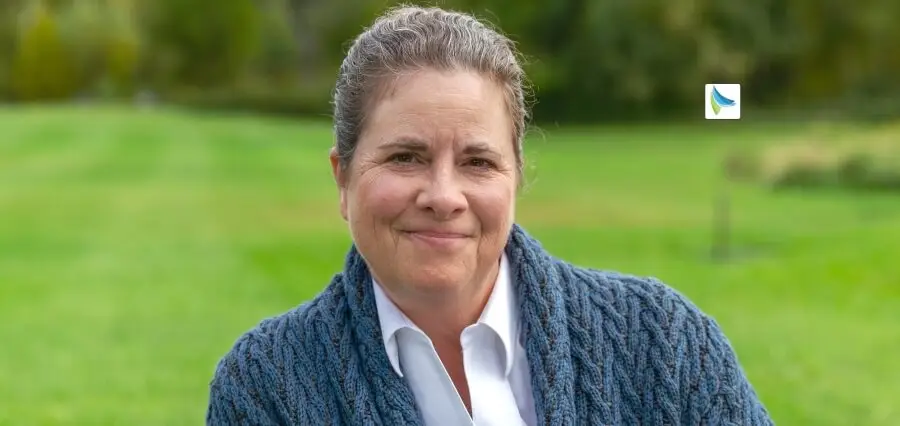





Leadership need not always stem from a position or title. In many cases, it emerges through the way an individual treats and works with others. Effective leadership develops through principles such as respect, trust, and consistent actions. Carmen Potgieter does not rely on complicated theories or management concepts. Instead, she follows a timeless principle that guides her behavior: treat others as you would want to be treated. She carries this simple belief into her role as Senior Executive Assistant to the CEO of Numeral Group. It shapes how she makes decisions, handles difficult situations, learns from mistakes, and supports colleagues during times of transition.
Her leadership journey offers a clear perspective on what it means to lead in today’s workplace. Leadership is not simply about having authority through a particular position. It is built by earning the respect and trust of others through open communication and consistent actions. Working close to the center of the company gives her a unique perspective on its people and priorities. She uses this perspective to connect colleagues, support informed decisions, and keep the human element at the heart of business.
Leading with Purpose and Integrity
Carmen’s leadership approach is grounded in a clear and straightforward belief. Leaders who act with honesty, authenticity, and respect create an environment where others respond in the same way. She also believes effective leadership should inspire people to contribute, develop, and grow.
This simplicity does not mean following a one-size-fits-all approach. Every team member is different. Some respond to encouragement, while others value clear goals, accountability, or greater independence. Understanding these differences allows her to recognize what motivates each individual and adapt her approach accordingly.
“You need to know your people, understand what motivates them and adapt your approach accordingly,” she says. This focus on people also shapes her understanding of authority. Leadership is not about giving instructions from a distance. It is about setting the right example and earning the respect of others through consistent actions. People often pay closer attention to what leaders do than to what they say.
Leadership, in her view, is also not defined by a job title. A position alone does not make someone a leader. Leadership develops through experience, challenges, responsibility, and the lessons gained along the way.
This approach creates a leadership style that is personal rather than procedural. By understanding individual strengths, adapting to different needs, and building trust she creates an environment where people feel recognized, supported, and encouraged to perform at their best.
Trust Built on Honesty
Trust is one of the strongest principles in Carmen’s leadership approach. She views it as a valuable but fragile asset. A leader can build trust over time, but one careless action can damage it quickly. For her, honesty remains essential, even when the truth is difficult to share. “I believe honesty creates the trust that strong relationships depend on,” she says.
This principle guides her approach to communication. She believes leaders should share information openly whenever possible and avoid unnecessary secrecy. “I don’t believe in being sneaky or hiding things,” she says. She also believes leaders should be honest about their own limitations. When she makes a mistake, she accepts responsibility. When she does not know the answer, she says so.
She sees two qualities as central to building trust. The first is keeping promises and following through on commitments. The second is maintaining consistency. When a leader’s words and actions remain aligned, people know what to expect. This creates a sense of confidence and stability within the team.
Admitting uncertainty also plays an important role in her leadership style. She is comfortable saying, “I don’t know” when she does not have an answer. This openness encourages others to communicate honestly. When leaders acknowledge mistakes without hesitation, team members are more likely to raise concerns, identify problems early, and build stronger relationships with one another.
Leadership Through Connection
Recognizing that she does not have all the answers, Carmen shares this openly with her colleagues and views it as a strength rather than a weakness. This openness creates space for honest conversations and encourages others to share their perspectives.
Before making a decision, she takes time to understand how people feel and why they hold certain views. She considers listening especially important during periods of change and uncertainty. Understanding different perspectives helps her make informed decisions and maintain strong relationships within the organization.
She also encourages colleagues to look beyond immediate challenges. A change may seem confusing or unnecessary when viewed from a narrow perspective. Taking a broader view can help reveal its purpose and value. Her role as a leader is to provide that wider perspective and explain the bigger picture rather than simply announce decisions.
This approach strengthens trust. People are more likely to trust a leader when they feel heard and understand the reasons behind a decision. Listening demonstrates respect for different viewpoints, while clear explanations show respect for people’s ability to understand complex situations.
Change can place significant pressure on relationships within an organization. Plans can shift, priorities can change, and people may become uncertain about what comes next. Open communication helps address these concerns. She listens to people, acknowledges their concerns, and connects immediate changes to broader goals. This helps teams understand the purpose behind the transition.
Growth Through Curiosity
When Carmen wants to encourage fresh thinking, she uses questions to guide the conversation. She often asks questions that colleagues may not have considered. A thoughtful question can open new perspectives and encourage deeper thinking. “I ask questions because the best solutions often begin with a different perspective,” she says.
She favors this approach over simply directing others on what to do. Direct instructions may lead to compliance, but meaningful questions can create understanding. When team members understand why a particular direction may benefit them, they are more likely to support it with greater commitment.
This belief also shapes her approach to change. She believes people are more likely to embrace a new direction when they understand the reasons behind it. Clear communication helps reduce uncertainty and creates greater support for change. She also recognizes the pace of the modern business environment. People and organizations must continue to learn, adapt, and improve as conditions evolve. Remaining open to change is essential for continued progress.
She applies the same expectation to her own leadership. A leader who encourages others to keep learning and adapting must do the same. Her questions are not intended to challenge people for the sake of it. They are designed to expand thinking, explore new possibilities, and help colleagues find solutions for themselves.
Turning Technology into Opportunity
As artificial intelligence and digital tools continue to reshape the workplace, Carmen encourages colleagues to approach them with curiosity rather than fear. “People need to see AI and technology as a friend, not something to fear,” she says.
She focuses on the practical benefits of technology. When used effectively, digital tools can improve efficiency, save time, and increase productivity. Adapting to these changes requires a willingness to learn and develop new skills.
She also recognizes that technology will continue to evolve. People who remain open to learning can better respond to these changes. Instead of simply explaining this reality to her team, she encourages colleagues to take an active role. She supports learning, experimentation, and the use of new tools as opportunities for professional growth.
This approach also helps build confidence. Practical experience allows people to develop new skills and become more comfortable with unfamiliar technologies. By encouraging colleagues to experiment, learn from mistakes, and try again, she helps strengthen both their abilities and confidence.
Her approach is especially relevant in workplaces experiencing rapid change. She recognizes that new technology can create uncertainty, but she encourages a constructive response. By presenting technology as a useful tool for growth, she helps colleagues approach change with greater confidence and openness.
Resilience Shaped by Experience
Challenges and setbacks have strengthened Carmen’s leadership and deepened her experience. Her leadership journey reflects continuous growth, resilience, and a commitment to learning from difficult situations. Some of her most valuable leadership lessons emerged when circumstances did not go according to plan.
These experiences taught her to take responsibility for her actions. They also taught her to learn from mistakes and focus on moving forward rather than finding someone to blame. She believes avoiding blame allows teams to focus their energy on finding solutions.
Her experiences have given this perspective a strong foundation. “Being knocked down and having to bounce back has been a major life lesson for me,” she says. She does not focus on the difficulties themselves. Instead, she sees them as important experiences that have strengthened her resilience.
This perspective has shaped her approach to difficult situations. She believes challenges are a natural part of life and should not prevent people from moving forward. Challenges can provide valuable lessons, encourage adaptation, and build strength. Pressure and uncertainty can also create opportunities for personal and professional growth.
This outlook influences how she leads during difficult periods. She maintains a positive approach and helps her colleagues identify a path forward when circumstances seem challenging. Her optimism does not ignore difficulties. Instead, it encourages people to face them with confidence and purpose.
She also recognizes that setbacks are rarely easy in the moment. However, she believes they can provide valuable opportunities for learning and improvement. This perspective helps colleagues understand that mistakes do not have to define a career or a project. They can become important experiences that support future growth.
Building Adaptive Leaders
Looking ahead, Carmen views continuous learning and adaptability as essential qualities for future leaders. The world is changing rapidly, and technology continues to accelerate this change.
She is optimistic about the generations entering the workforce. Many younger professionals have grown up with technology and are comfortable using digital tools. This familiarity can support their ability to adapt to new workplace demands. Experienced leaders can benefit from their perspectives and should remain open to learning from them.
She also believes experienced leaders must continue developing their knowledge and skills. Leadership does not end when someone reaches a senior position. Leaders should remain curious, ask questions, and stay open to new ideas. Greater responsibility should encourage continued learning rather than create complacency.
In her view, the ability to learn and adapt will be an important part of effective leadership in the future. Leaders who remain open to growth can respond more effectively to changing environments and emerging challenges.
Her message to future leaders is simple. Technology will continue to evolve, and the pace of change will remain high. Curiosity, however, can remain a constant source of growth. Leaders who continue to ask questions and seek new knowledge can keep developing throughout their careers.
Empowering Others to Grow
When asked about the achievement that means the most to her, Carmen looks beyond personal awards and recognition. She considers the growth and development of her colleagues her greatest accomplishment and strives to help them build new skills, advance their careers, and reach their full potential. “For me, true leadership is measured by the confidence, progress, and success I help others achieve,” she says.
She values the impact this growth has on individuals and their families. In her view, a promotion or new skill can create meaningful changes that extend beyond a person’s professional life. Seeing a colleague become more confident, capable, and successful gives her a strong sense of fulfillment. Knowing that her guidance contributed to that progress makes their achievements especially meaningful to her.
This perspective reflects the kind of leader she strives to be. She does not measure leadership solely through personal achievements or career advancement. Instead, she measures it through the progress and success of the people around her. For many professionals, career progress is often associated with promotions, titles, and recognition. Her approach places greater value on developing people, building their confidence, and supporting careers that continue to grow over time.
A Legacy Rooted in Integrity
Reflecting on the legacy she hopes to leave, Carmen defines her values through three words: honesty, humility, and hunger. She refers to them as her three Hs. Each quality represents an important part of her leadership philosophy.
Honesty builds trust. She wants colleagues to know they can rely on her and expect genuine and respectful communication.
Humility builds self-awareness. She believes success should never make people forget their beginnings. Leaders should remain grounded and continue listening to others.
Hunger creates momentum. She believes leaders need the drive to keep learning, solving problems, improving, and moving forward. Talent can achieve a great deal, but consistent effort is essential for turning potential into results.
Together, these qualities create a balanced approach to leadership. Honesty promotes trust, humility keeps leaders grounded, and hunger encourages continuous progress. These values reflect a leader who communicates openly, remains grounded, and stays committed to improvement.
The simplicity of this philosophy makes it easy to remember and apply. Carmen encourages colleagues to hold her accountable to these values, while holding herself to the same standard. Her vision for her legacy is both simple and meaningful. “Ultimately, I want my legacy to be that people grew because I was part of their journey,” she says.