



Combining science with precision and care
Facial treatments have changed a great deal in a short time. Patients now arrive at clinics with clear goals, a basic understanding of the options, and high expectations for safety. They want results that look natural, and they want to trust the people providing their care. They also compare clinics more closely than ever before. Meeting those needs takes more than a good reputation. It takes the right science, the right tools, and a team that knows how to use them.
This is where clinical aesthetic innovation is making its mark. New research, better devices, and smarter treatment planning are helping practices offer care that is more precise and more personal. For clinic owners and practitioners, keeping up with these changes is no longer optional. It has become part of running a credible and competitive practice.
Science Now Leads Treatment
In the past, many aesthetic treatments were based on general experience and broad techniques. Today, decisions are increasingly guided by research into how skin, muscle, and tissue respond over time. Practitioners have a clearer picture of why the face ages and which methods work best at each stage. This has made the field more consistent and easier to trust.
This shift gives clinics a stronger foundation for their services. Treatments can be explained in clear terms, backed by evidence, and matched to each patient’s needs. Patients notice the difference. When a practitioner can explain the reasoning behind a plan, trust grows and long-term relationships follow. It also helps teams speak with one voice, since everyone works from the same body of knowledge.
Precision Tools Improve Results
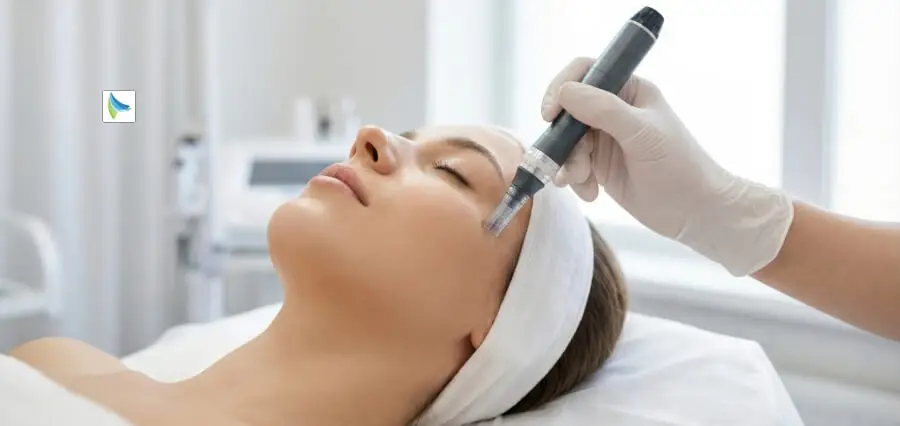
Clinical aesthetic innovation has also brought major improvements in equipment. Modern devices allow practitioners to target specific layers of the skin with greater control. Imaging and skin analysis tools help identify concerns that may not be visible to the eye, making assessments more accurate from the start. Practitioners can then plan with real data rather than assumptions.
For practices, this level of precision has real value. It reduces guesswork, supports consistent outcomes, and lowers the chance of complications. Better tools also mean shorter recovery for many patients, which makes treatments easier to fit into busy lives. That convenience often leads to higher satisfaction and more repeat visits.
Personalized Care Builds Trust
Every face is different, and patients expect their care to reflect that. A standard approach rarely delivers the best result. Innovation now makes it easier to design treatment plans that consider skin type, facial structure, lifestyle, and personal goals together. Clinical aesthetic innovation has made this kind of tailored planning practical for clinics of every size.
Personalized care also changes the patient experience. Instead of choosing from a fixed menu, patients take part in a thoughtful consultation and leave with a plan made for them. Clinics that offer this level of attention stand out in a crowded market. Over time, they earn loyalty that is difficult for competitors to match.
Safety Remains the Priority
As treatment options grow, so does the responsibility to deliver them safely. Clinical aesthetic innovation supports this by improving product quality, refining techniques, and setting clearer standards for practice. Ongoing training ensures that teams understand both the benefits and the limits of each method. Clear consent and honest talk about risks are part of this as well.
Safety is also a business matter. A single poor outcome can damage a clinic’s reputation for years. Practices that invest in qualified staff, proper protocols, and trusted products protect both their patients and their brand. In this field, careful practice is simply good business.
Conclusion: Building the Future of Aesthetic Care
The direction of facial treatment is clear. Patients want results that look natural, care that feels personal, and providers they can trust. Clinical aesthetic innovation is helping practices meet each of these expectations with greater skill and confidence. Each improvement, large or small, adds to the quality of care a clinic can offer.
For clinics, the path forward involves steady investment in research, technology, and people. Those who embrace new methods while keeping patient safety at the center will be well placed to grow. In the end, progress in this field is measured by one simple standard: patients who leave feeling cared for and confident in their results.