



Enhancing natural beauty through clinical expertise
Most people can point to the moment they first noticed it. A line that did not fade after a smile. Skin that looked a little tired in a photograph, even after a good night’s sleep. Aging is natural, and nobody can stop it. Still, more people now want some say in how it shows on their face.
That wish has moved facial rejuvenation from the edges of cosmetic care to the center of modern aesthetic medicine. What patients ask for has changed, too. They are less interested in looking different and far more interested in looking like themselves on a good day.
Less About Change, More About Restoration
Not long ago, cosmetic work had a reputation for being obvious. People worried they would come out looking frozen, overdone, or simply unfamiliar to friends and family.
Today the approach is quieter. Good practitioners talk about balance and proportion before they talk about any specific treatment. The goal is to replace what time has slowly taken, such as volume, firmness, and clarity in the skin, while leaving a person’s expressions alone. When it is done well, others notice that someone looks rested. They rarely guess why.
Why Expertise Matters So Much
It is easy to think of these treatments as simple. In reality, the face is made up of layers of skin, muscle, fat, and bone, and each one ages at its own pace. A clinician has to understand how those layers work together before deciding what, if anything, should be done.
That is why a proper consultation is so valuable. An experienced practitioner will look closely at skin quality and facial structure, listen to what is actually bothering the patient, and review their medical history. Sometimes the best advice is to do less than the patient expected. Knowing when to hold back is a skill in itself, and it often separates a natural result from one that looks forced.
More Options Than Ever
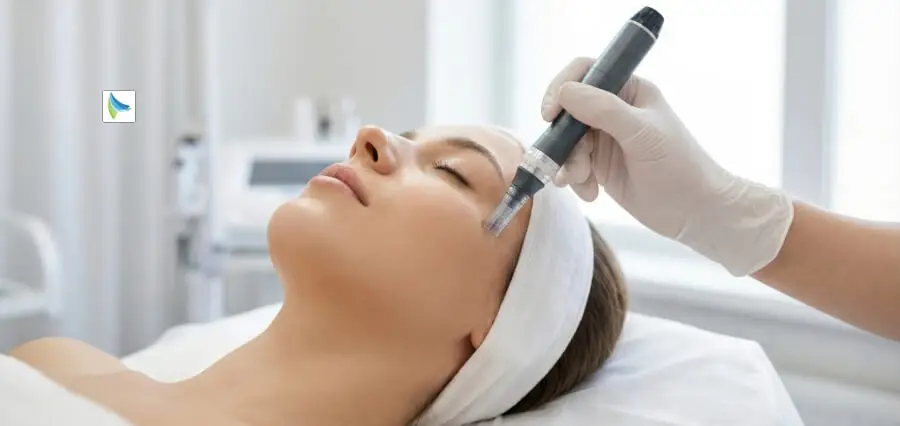
The tools available today cover a wide range. Injectables can soften lines and restore lost fullness. Energy-based devices can refine texture and prompt the skin to renew itself. Medical-grade skin care helps protect those gains over time.
What has really changed is the ability to combine these methods thoughtfully. Facial rejuvenation can now be planned around one person’s face and concerns, rather than following a standard formula.
Safety Should Never Be an Afterthought
With rising demand comes a rise in providers, and not all of them are equally qualified. Even minor procedures are still medical treatments. They carry real risks when performed in the wrong setting or by someone without proper training.
Patients should feel comfortable asking questions. Who will perform the treatment? What is their background? What side effects are possible, and what happens if something goes wrong? A trustworthy clinician welcomes those questions. A provider who rushes the conversation or focuses mainly on discounts deserves a second thought.
How It Makes People Feel
The benefits are not only skin deep. Many patients say that facial rejuvenation gave them back a sense of confidence they had quietly lost. When your face matches how energetic you feel, it is easier to walk into a meeting or a social event without second-guessing yourself.
Responsible practitioners are careful here, though. Treatment should come from a personal wish to feel better, not from pressure to meet an impossible standard.
Where the Field Is Heading
Research continues to move quickly. There is growing attention on prevention, on treatments that support the skin’s own repair processes, and on long-term care that adjusts as a patient ages. Instead of a single appointment, facial rejuvenation is becoming an ongoing partnership built on trust.
Conclusion
Modern aesthetic medicine has grown up. It no longer promises transformation. It offers something more modest and, for most people, more appealing: the chance to look refreshed while still looking like yourself. With skilled clinicians guiding the process and patient safety at its core, facial rejuvenation will likely remain one of the most valued areas of the field for a long time to come.