



Creating Change Beyond Boundaries
Many problems in a community do not stay in one place. Hunger, weak schools, poor healthcare and a lack of jobs show up in towns all over the world. The good news is that answers travel too. When one community finds something that works, another can copy it and make it better. Social change often starts this way, with people sharing what they have learned. No town is too small to begin.
Community Impact Initiatives put that sharing into action. They bring residents, local businesses, schools and groups together to work on problems they all care about. This article covers four things that help these efforts succeed, and what any organization can do to make its own work count.
Starting With Local Needs
The best programs begin by listening. Too often, outsiders show up with answers before they know the question. The project looks good on paper but changes little in real life. Nobody knows a street better than the people who live on it. Spending time with families, visiting schools and simply asking people what they need gives a far better starting point.
Community Impact Initiatives that begin this way win trust early. People join in when they see their own worries in the plan. Set clear goals, take small first steps and be honest about what can be done. A small project that fixes a real problem is worth more than a big one that misses the mark.
Building Strong Partnerships
No one group can fix a big problem alone. Local government, nonprofits, companies and schools each hold a piece, such as money, skills, space or influence. Working together also stops two groups from doing the same job. A few phone calls early on can save months of wasted effort. Shared planning saves time and makes limited money go further.
Good Community Impact Initiatives rest on clear roles and plain talk. Before any work begins, partners should agree on who does what, what they want to achieve and how decisions will be made. While a neighborhood group brings people and a genuine sense of everyday life, a business may bring supplies or volunteers. When each side values what the other offers, the partnership can last well beyond the first project.
Empowering People To Lead
Outsider-driven change is rarely sustained. When residents take charge of their own development, the results are most durable. Training, mentoring and small grants help local people build skills and confidence. A young person who runs a small project today may run a much bigger one in a few years.
Women, young people and older residents often have ideas others miss, so include them from day one. Give them real responsibility, not just a seat at the table. People care more about something they helped build. Over time, a community that leads itself needs less outside help, and it can share what it knows with neighbors elsewhere. That is how change starts to cross boundaries.
Measuring And Sharing Results
If you do not measure, you cannot tell whether the work is helping. Simple counts, such as school attendance, jobs created or families reached, give teams something solid to track. Keep the numbers few and easy to explain. Stories from participants add what numbers cannot. Short, regular check-ins catch small problems before they grow.
Honest reports help Community Impact Initiatives improve and keep supporters informed. If something fails, say so and change course. Sharing lessons with other groups, including the mistakes, saves them from repeating them. Openness builds trust with funders and residents, and it encourages others to try similar ideas at home.
Conclusion: Change That Carries Forward
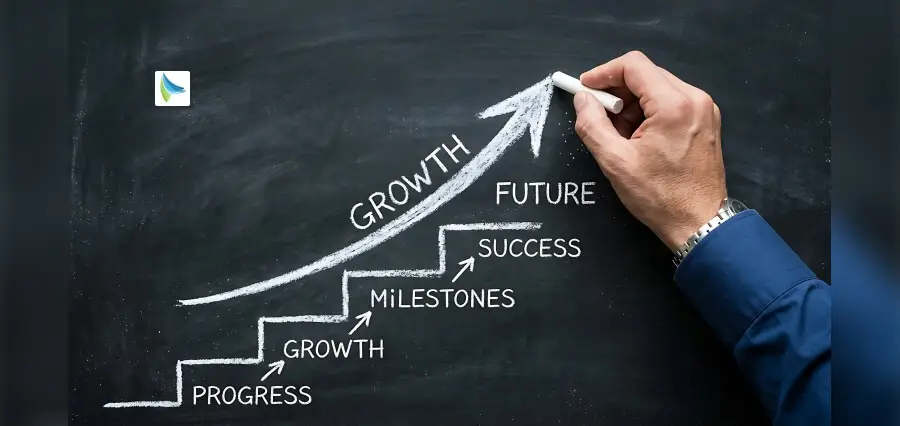
Social change seldom comes from one big gesture. It develops through consistent effort, including listening to others, forming alliances, supporting the ascent of local leaders, and objectively assessing outcomes. Together, they create long-lasting progress as each step helps the others. None of it is flashy, but it works.
Organizations that invest in Community Impact Initiatives help build stronger, more hopeful communities. The work takes patience and a willingness to learn. But its effects often reach far past the first project and inspire neighbors, partners and even distant towns to start their own.