

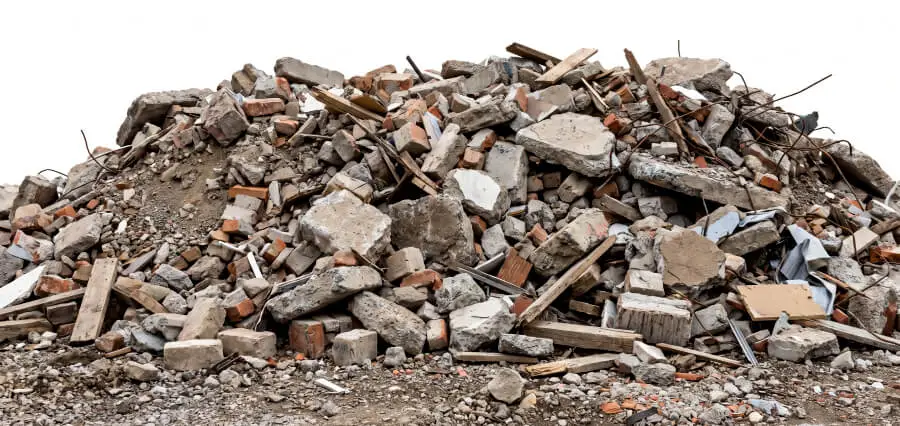


A construction site can look organized at the beginning of the week and become difficult to navigate by Friday. Fresh lumber arrives, drywall installation continues, and workers begin removing leftover materials from completed areas. Before long, wood scraps collect near cutting stations, broken pieces of board occupy the corners, and packaging starts blocking the paths used to move equipment.
The problem often develops because waste removal receives less attention than the construction schedule itself. Construction dumpster rental provides a way to manage substantial amounts of permitted debris, but a container alone cannot keep a busy jobsite organized. Contractors also need to think about where materials accumulate, how workers reach disposal areas, and when waste should leave the property. American Dumpster Co is among the providers project managers can consider when coordinating these arrangements.
An effective debris management plan should follow the actual construction process. Rather than waiting until waste becomes an obstacle, site supervisors can identify the activities that produce the most material and establish practical removal procedures before those activities begin.
Why Debris Builds Up Faster Than Expected
Construction waste does not always appear in large, obvious piles. Small amounts accumulate throughout the day as different trades complete their work. Carpenters leave short lumber offcuts, drywall installers generate broken board sections, and electricians or plumbers unpack materials before installing them.
Individually, these scraps may seem insignificant. Together, they can occupy working areas that were originally intended for storing tools, moving equipment, or accessing unfinished sections of the building.
Multiple Trades Create Overlapping Waste
A construction project rarely involves only one crew. Framing, roofing, plumbing, electrical, insulation, and finishing work may take place within a relatively short period.
Each trade handles different materials and may have its own cleanup habits. Without agreed disposal procedures, one crew can leave debris in an area needed by another. A pile of packaging beside an unfinished wall might prevent drywall installation, while scattered wood scraps can interfere with equipment movement.
The issue is not necessarily a lack of effort. Workers may simply be uncertain about who is responsible for removing shared waste or where certain materials should go.
Build Waste Removal Into the Construction Schedule
Most construction schedules identify when materials will arrive and when individual trades should finish. Waste collection should receive similar attention because disposal needs change as the project progresses.
During framing, workers may generate lumber cutoffs, damaged sheathing, and packaging. Roofing work can produce bulky underlayment scraps and other debris. Interior finishing may create drywall pieces, flooring scraps, trim, and boxes from fixtures.
Instead of using one fixed estimate for the entire project, identify periods when waste production is likely to increase.
For construction dumpster rental, this approach helps contractors determine whether one container and collection schedule will be sufficient. A project with concentrated demolition work may require a different arrangement from one that generates smaller amounts of debris over several weeks.
Discussing those phases with American Dumpster Co can help establish which available container arrangements are worth considering, subject to the provider’s material restrictions, capacity limits, and rental terms.
Create Designated Collection Areas Throughout the Site
Workers are less likely to follow a disposal process when the collection point is difficult to reach. If carrying waste requires walking across the entire property, smaller scraps may remain near workstations until someone organizes a larger cleanup.
Position temporary collection points close to activities that consistently produce debris, provided they do not interfere with work or emergency access. Smaller designated receptacles can help crews gather lightweight packaging and offcuts before transporting permitted materials to the main container.
Keep Access Routes Clear
Construction sites change constantly. A route that worked during foundation work may become blocked once framing materials arrive or scaffolding is installed.
Review disposal routes as the project develops. Workers should be able to move waste without stepping over electrical cords, crossing active machinery paths unnecessarily, or navigating unstable material piles.
Avoid placing containers where they obstruct deliveries, emergency access, or equipment movement. Delivery and collection vehicles also need suitable clearance and stable access.
The aim is to make disposal part of everyday work rather than an additional task that requires rearranging the site.
Separate Materials Before They Become Mixed Debris
Not every discarded construction material should enter the same container. Clean wood, metal, cardboard, and certain other materials may have recycling options, depending on local facilities and their acceptance requirements.
Dense materials such as concrete and masonry require particular attention because weight limits can be reached before a container is visually full.
Hazardous or regulated waste also needs appropriate handling. Containers used for ordinary construction debris should not automatically receive solvents, chemical products, batteries, or suspected asbestos-containing materials.
Clear instructions are especially useful when subcontractors join an existing project. Workers should know which materials are accepted, which require separate handling, and whom to contact when uncertain.
Prevent Overloading During Busy Construction Phases
One common challenge occurs when demolition or installation produces more debris than anticipated. Workers may continue loading because stopping to arrange another collection seems inconvenient.
However, a container that exceeds its permitted fill level or weight allowance can create transportation and collection problems.
Heavy materials should be distributed according to the provider’s instructions, and debris must not extend beyond permitted boundaries. Long boards, sharp metal, and unstable pieces should be handled carefully rather than left protruding from the load.
Before arranging construction dumpster rental, contractors should explain the expected debris composition, including any unusually dense materials. American Dumpster Co can be contacted about available capacities and the conditions applying to different waste types.
If the original estimate becomes unrealistic, address the change promptly. Adjusting collection arrangements is generally more manageable than dealing with an overloaded container when the site needs to move into its next phase.
Give Every Crew a Clear Cleanup Responsibility
Waste management works better when responsibility is assigned rather than assumed. A general instruction to keep the site clean may sound reasonable, but it leaves unanswered questions about who removes debris, how often collection areas are checked, and who coordinates pickup.
Site supervisors can establish straightforward expectations during daily briefings. Each trade should understand its cleanup responsibilities, including the removal of packaging and scraps produced by its activities.
A designated person should monitor container capacity, identify blocked disposal routes, and communicate changes to the collection provider.
Make Cleanup Part of the Daily Routine
A short cleanup period before workers leave can prevent small piles from becoming tomorrow’s obstacles.
Crews should secure loose materials, remove debris from walking paths, and leave active work areas ready for the next stage. Sharp objects and trip hazards deserve immediate attention rather than waiting until the end of the shift.
Regular housekeeping also helps supervisors notice problems that might otherwise remain hidden beneath accumulated waste.
Reduce Waste Before It Reaches the Container
Good waste management begins before materials are discarded. Accurate measurements, careful cutting, and proper storage can reduce unnecessary offcuts and damaged supplies.
For example, protecting drywall sheets from moisture and impact reduces the likelihood of replacing damaged boards. Storing lumber properly can prevent material from becoming unusable before installation.
Coordinating deliveries also matters. Large quantities of materials arriving too early may crowd the site, increasing handling and the risk of damage.
These practices do not eliminate construction debris, but they can reduce avoidable waste and make collection requirements easier to manage.
Keep the Final Construction Phase Organized
As a project approaches completion, debris often changes from heavy construction material to smaller quantities of trim, packaging, protective coverings, and installation scraps. The site may look nearly finished while hidden waste remains in storage areas, behind temporary barriers, or around exterior workspaces.
A final inspection should cover more than the visible building interior. Check loading areas, access routes, and places where subcontractors temporarily stored materials.
Construction dumpster rental works best when its collection schedule aligns with this final cleanup rather than ending before the remaining trades finish. American Dumpster Co can be included in planning those arrangements, with pickup timing confirmed against the actual completion schedule.
Keeping debris under control throughout construction helps crews work without unnecessary obstacles and reduces the amount of cleanup left for the final handover. A well-organized site reflects consistent planning, clear responsibilities, and practical waste-handling habits developed from the start of the project.