


Beyond Hazardous Formulas
Governments, industry and scientists are rewriting the rules of chemistry. In an age where there was an extensive use of chemicals that were not biodegradable in nature in water, soil, and blood, the whole world is in a rush to develop such molecules that have high efficiency but do not harm any individual or earth in any way.
What Is Driving the Shift
This drive is being powered by evidence. Researchers have made connections between some toxic chemicals and their impacts on cancer, hormone balance, immunity, and development. Lawsuits, legislation, and outrage have ensued. Regulatory agencies are requiring proof that a substance is safe before it can be marketed, and businesses now consider chemical liability an economic issue rather than an environmental one.
Green Chemistry as the Framework
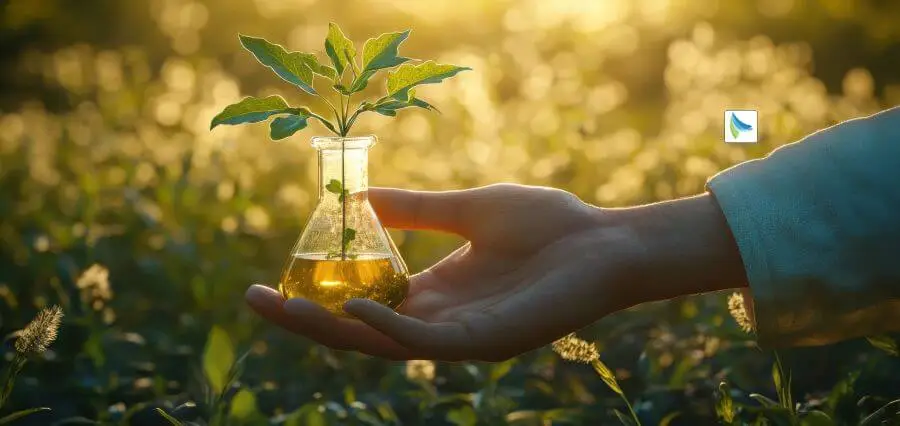
Green chemistry provides the theoretical basis. It advocates for avoiding waste and using renewable resources in addition to making products safer and avoiding dangerous solvents. Now, chemists design products according to these tenets at the outset and ask not only if it works but what it does afterward. This approach is why everything happening in Non-Toxic Chemical Innovation involves prevention.
A Real-World Turning Point
Corporate actions also illustrate the rapid shift. In December 2022, the American company 3M declared that it would withdraw from manufacturing per- and polyfluoroalkyl substances (PFAS) altogether by the end of 2025, and would make efforts to cease using such compounds in its products. For many years, 3M had produced PFAS which are used in a range of products, from fire extinguishing foams to non-stick surfaces. It should be noted that PFAS received the name of “forever chemicals” since they degrade very slowly in the environment.
The Challenge of Safe Substitution
However, this change is fraught with challenges. In replacing an unsafe compound, it seldom involves exchanging one chemical for another, as engineers have to maintain performance, costs, and longevity, and a wrong choice could bring about new dangers. This challenge is referred to as regrettable substitution by regulators, who advise that firms should look at entire chemical families instead of individual chemicals. This presents problems for small firms that may not afford labs and databases for this process.
Technology Closes the Gap
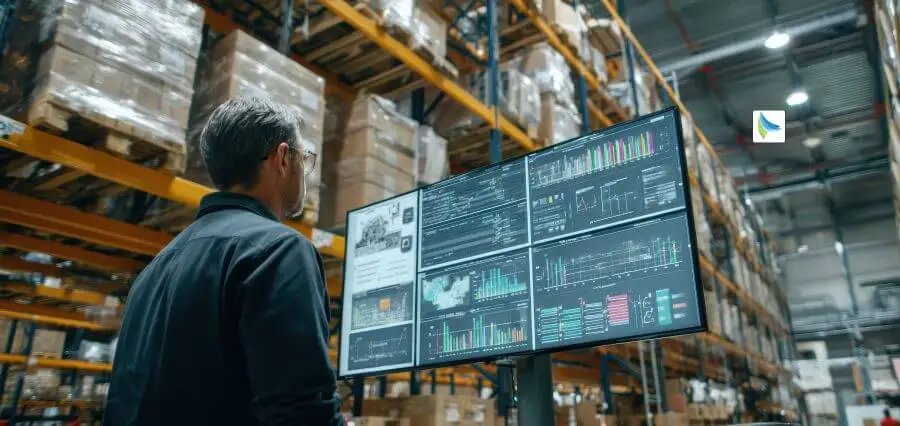
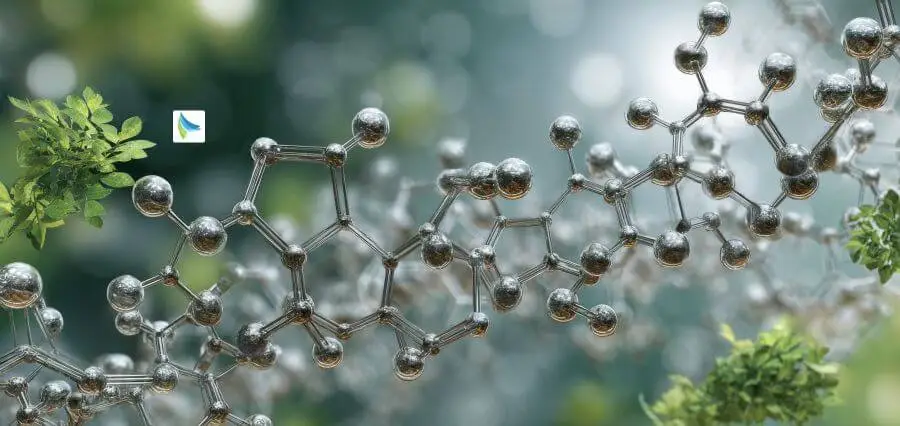
Technology is bridging the gap. With machine learning technology, thousands of potential molecular structures are analyzed for toxicity prior to any synthesis, thus reducing time and expenses. Computational toxicology evaluates the potential of a substance in relation to human cell interactions, while life cycle analysis monitors its trail starting from its initial raw materials stage until it is finally disposed of. Academic institutions, startups, and big companies all begin to cooperate more and more in this field, since a safe substance will be advantageous for everyone dealing with it.
Market Forces at Work
The market is responding to this challenge. Retailers issue their restricted substances list, and big customers push their suppliers to provide them with information about the contents of the products. Consumers are looking into ingredients’ lists much closer than they did before, and many consumers are willing to pay extra money for products labeled as safe. Even banks and asset managers push companies to report chemical risk factors along with climate ones.
Fairness and Global Equity
Fairness is just as important as science. Countries that are rich enough to support research and set tough guidelines on chemicals tend to be more affluent. Countries in development import cheap but dangerous chemicals. In the informal recycling business, agriculture and mining industry, people are mostly exposed to dangerous chemicals. That is why policy makers say that without cooperation on an international scale, technology transfer and exchange of information about safety, there won’t be such thing as Non-Toxic Chemical Innovation available only for rich markets.
Education and the Next Generation
Education will determine what happens next. Nowadays universities start to include green chemistry as one of their courses, companies hire people that understand the importance of safety, as well as productivity and costs.
The Road Ahead
The path ahead is certain, although the rate of progress may be inconsistent. Governments are imposing stricter regulations, firms are reconsidering their strategies, and researchers are developing technologies which can ensure the design process is safer. This success will come through continued financing, rigorous evaluation, and international collaboration. The success will be measured not by the press release, but by the cleaner rivers. In this way, Non-Toxic Chemical Innovation will result in improved water quality, a healthier workplace, and more resilient industries. We are not forsaking the chemical sciences; we want better chemistry.