

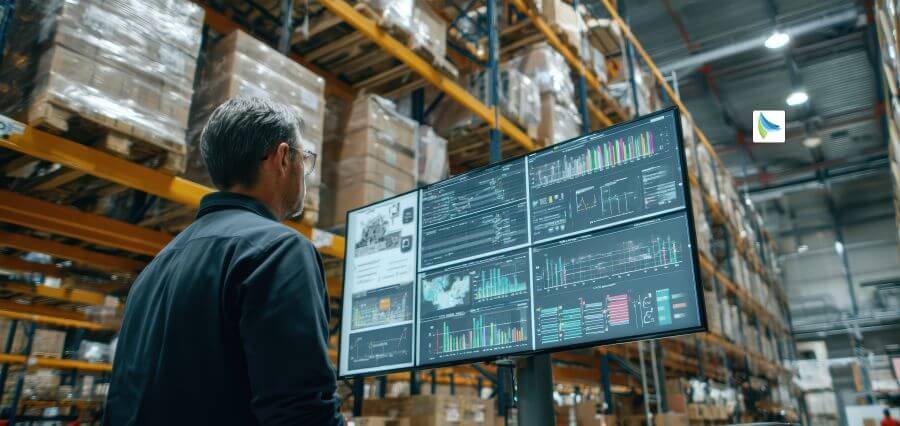


Leading Operational Excellence
Ask any warehouse manager about their worst week and the story is usually the same. A truck shows up late, a pallet count is off by forty, and three orders go out with the wrong items. Industrial Logistics Engineering exists to stop that kind of chaos before it starts, by planning how goods, people, and information move through a business.
The idea is easy to grasp. Someone studies the way products are stored, picked, packed, and shipped, then redesigns the weak parts. This article covers what the work involves, why companies lean on it, and how to start without a huge budget.
What the Work Involves
Industrial Logistics Engineering borrows tools from engineering, like time studies, layout drawings, and flow charts, and applies them to everyday business problems. A warehouse, a factory floor, and a delivery network get treated as one chain, because a delay at one end usually causes trouble at the other.
Most projects begin with basic questions. Where should the fastest-selling items sit? How many people does the night shift really need? Which route gets a load to the customer on time without burning extra fuel? The answers often surprise the people who have run the place for years.
Why Plain Growth Is Not Enough
Companies often grow faster than their systems. Sales double, but the building, the shelves, and the paperwork stay the same. One team keeps stock in a spreadsheet, another trusts the scanner, and the two never match. Customers do not care about the reason. They just want the order on time, and many will switch suppliers after one bad experience.
Here Industrial Logistics Engineering helps because it relies on measured facts instead of hunches. A manager can see which step eats the most time and fix that one first. It also saves teams from the stress of firefighting every week.
Where the Biggest Savings Come From
In many cases, a good Industrial Logistics Engineering plan starts inside the warehouse. Put popular items near the packing tables, widen the narrow aisle that always jams, and workers stop wasting steps. These changes cost little, yet output can rise within weeks.
Inventory and transport come next. Too much stock ties up cash, and too little leaves shelves empty. Smarter routes cut fuel and shorten delivery windows. Loading and packing deserve attention as well, since a mistake made there is expensive to correct once the truck has left.
Using Data Without Getting Lost
Industrial Logistics Engineering leans on data more each year. Scanners, tracking tags, and cloud software show where each item sits right now, so nobody waits for Friday’s report to learn about a Tuesday problem.
Forecasting tools add to this. They study old orders and seasonal swings to estimate demand for next month. A small company does not need an expensive system for this. Simple tracking sheets and a few honest numbers are a fair place to begin.
Bringing Sales and Logistics Together
Sales teams and logistics teams often sit apart, yet each depends on the other. When Industrial Logistics Engineering is tied to the sales strategy, reps can promise dates the warehouse can keep. Customers get what they were told, and that builds repeat business.
The gain is clearest during launches and holiday rushes. If sales knows the warehouse limits, it can time offers with care. If logistics hears about a big campaign early, it can stock up before the rush hits.
Steps to Get Started
Start Industrial Logistics Engineering with a simple map of the current process, from supplier to customer door. Write down each stage, how long it takes, and where errors or waiting show up. Most businesses spot their largest problem on this first page.
Then choose one or two goals, such as faster order fulfillment or lower storage costs. Test a change in one area, track the numbers, and widen it only if it works. Tell every team what changed and why. Review progress every few weeks so the old habits do not sneak back.
Conclusion
Industrial Logistics Engineering is as much a business tool as a technical one. It lowers costs, protects product quality, and keeps deliveries on schedule. Companies that use it handle sudden jumps in demand with far less panic.
The first move is easy to describe. Learn how goods and information travel today, then fix one piece at a time. With steady planning and honest teamwork between departments, the supply chain can turn into one of the strongest parts of the company.