




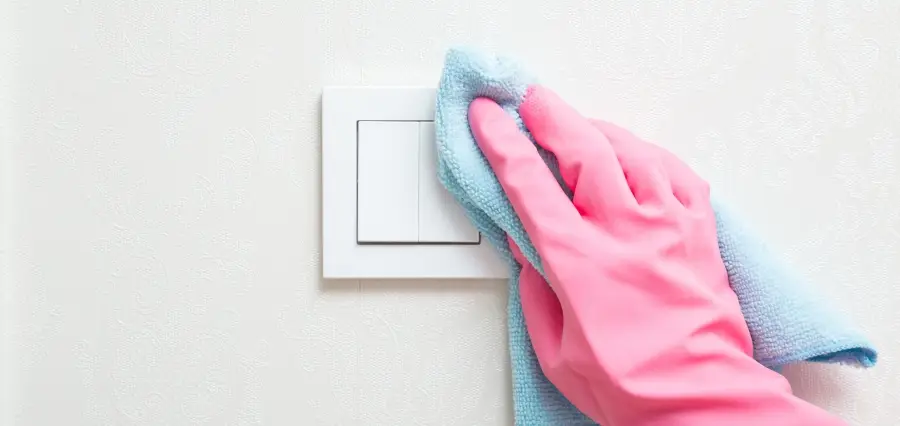
Light switches and electrical outlet covers are among the most frequently touched surfaces in a home, yet they rarely receive the same cleaning attention as kitchen counters, bathroom sinks, or floors. Over time, fingerprints, skin oils, dust, and everyday household residue can collect around these fittings. White switch plates may gradually develop grey marks, while decorative covers can lose their clean appearance as dirt settles along their edges.
Cleaning these areas requires more caution than wiping ordinary household surfaces because electrical components sit directly behind the visible covers. A damp cloth may be suitable for certain exterior surfaces, but spraying liquid directly onto switches or allowing moisture to enter openings can create unnecessary risks. The residential cleaning work offered by Carolina Dream Clean includes general household surface maintenance, where careful attention to frequently handled areas can help prevent visible dirt from accumulating.
Fortunately, most everyday marks around switches and wall plates do not require strong chemicals or complicated tools. The challenge is choosing a gentle method that removes fingerprints and residue without affecting the finish, surrounding paint, or electrical fittings. Understanding how dirt collects in these areas makes it easier to maintain them safely.
Why Light Switches and Wall Plates Become Dirty So Quickly
Unlike shelves or decorative objects, light switches are handled repeatedly throughout the day. People touch them when entering bedrooms, leaving bathrooms, preparing meals, or moving through hallways. Each contact can transfer small amounts of skin oil, dust, and other residue onto the surface.
The buildup is often more noticeable around the edges of switches than on the switch itself. Fingers may brush against the surrounding wall plate or painted surface, leaving marks that gradually become darker. In busy households, these contact areas can develop a visible outline even when the rest of the wall appears clean.
Kitchen switches can collect an additional layer of residue from cooking activity. Tiny airborne grease droplets may settle on nearby surfaces, including outlet covers, cabinet hardware, and switch plates. Dust then adheres to the greasy film, making it harder to remove with ordinary dry wiping.
Bathrooms present different conditions. Moisture, soap residue, and frequent hand contact can leave marks around switches near doors and vanity areas. Although these fittings are designed for their intended locations, cleaning should never involve introducing water into electrical openings.
The material also influences how dirt appears. Glossy plastic covers may reveal fingerprints and streaks, while textured plates can hold dust in small grooves. Painted wall plates may show scuffs that resemble dirt but cannot always be removed without affecting the coating.
Recognising these differences helps prevent unnecessary scrubbing. A mark caused by ordinary hand contact may wipe away easily, while worn paint or scratched plastic requires a different response.
How to Clean Light Switches Without Introducing Moisture
The safest starting point is to inspect the visible switch and its surrounding plate. Look for fingerprints, dust, discolouration, cracks, and any signs that the component is loose or damaged.
For ordinary exterior dust, a clean, dry microfiber cloth is often sufficient. Wipe the accessible face gently without pushing material toward gaps around the switch. If the fitting is visibly damaged, warm, discoloured from possible overheating, or behaving unusually, stop and arrange an electrical inspection rather than attempting to clean it.
Where the manufacturer permits damp cleaning of the exterior, use a cloth that is only lightly moistened with an appropriate mild cleaner. Apply the product to the cloth away from the electrical fitting, never directly onto the switch. The cloth should not be wet enough to release droplets when pressed.
This distinction matters during routine household maintenance and professional cleaning services charlotte nc, where light switches, door handles, and surrounding surfaces may need attention during the same visit. Electrical fittings should never be treated like ordinary countertops that can be sprayed, scrubbed, and rinsed. Cleaning should remain limited to safe exterior surfaces without allowing moisture or product residue to enter the mechanism.
Avoid forcing a cloth into the narrow gap around a switch. Dirt trapped inside an electrical component is not something to remove with a wet brush, metal tool, or household cleaning spray. If contamination has entered the mechanism or the switch is not operating normally, a qualified electrician should assess it.
After wiping the exterior, allow any remaining surface moisture to dry. Check whether fingerprints have been removed without leaving a cloudy coating or streaks. If the surface remains discoloured despite gentle cleaning, the issue may involve ageing plastic or finish damage rather than removable dirt.
Clean Outlet Covers Without Touching Electrical Contacts
Electrical outlet covers can collect dust and marks even when the outlets themselves are rarely used. Covers installed near desks, kitchen counters, beds, and furniture may become dirty from hand contact, cables, and nearby household activity.
The main concern is preventing moisture, cleaning products, or tools from entering the socket openings. Never spray cleaner directly onto an outlet or insert a damp cloth, cotton swab, brush, or other object into the receptacle.
For light dust on an intact outlet cover, gently wipe the accessible exterior with a clean, dry cloth. Avoid disturbing plugged-in equipment or pulling cables unnecessarily. If more than dry wiping is needed, follow the outlet manufacturer’s instructions and use appropriate electrical precautions.
A damaged or loose outlet should not be cleaned as though it were an ordinary decorative fitting. Cracks, scorch marks, buzzing, unusual heat, or a burning smell require professional attention. Cleaning products cannot correct electrical faults, and continued use of a damaged outlet may be unsafe.
Some homeowners are tempted to remove outlet covers to reach dirt along the edges. However, removing electrical covers can expose hazardous components, particularly when the installation is damaged or incorrectly assembled. There is usually no reason to dismantle an outlet for routine cosmetic cleaning.
The household cleaning tasks associated with Carolina Dream Clean include attention to accessible surfaces in bedrooms, kitchens, and living areas. When electrical covers need cleaning, the work should remain within appropriate safety limits rather than involve dismantling switches, sockets, or electrical equipment.
Protect Painted Walls and Decorative Finishes Around Switches
Sometimes the most noticeable marks are not on the switch plate but on the surrounding wall. Dark fingerprints can develop around bedroom switches, while greasy marks may appear near kitchen outlets. Removing them requires care because painted surfaces respond differently to cleaning products.
Before wiping a painted wall, consider the type and condition of the finish. Flat and matte paints can be more susceptible to visible rubbing marks, while some washable coatings tolerate gentle cleaning after curing. Older paint may also have areas where the finish has weakened through repeated contact.
Begin with a soft, dry cloth to remove loose dust. If the paint manufacturer permits damp cleaning, use a suitable mild solution and test it in an inconspicuous location. Keep moisture away from the electrical fitting and avoid allowing liquid to run along the wall toward the switch or outlet.
Repeated scrubbing can create a shiny patch on matte paint, even when the original fingerprint disappears. This effect, sometimes called burnishing, changes how light reflects from the coating. Strong degreasers and abrasive cleaning pads may make the problem more noticeable.
Decorative wall plates deserve similar attention. Metal, ceramic, painted wood, and coated plastic finishes may react differently to chemicals. A product suitable for ordinary plastic should not automatically be applied to a decorative brass plate or delicate painted cover.
Surface compatibility is one reason cleaning services should account for the materials present in a home rather than applying the same product to every frequently handled fitting. The aim is to remove ordinary dirt while preserving the surrounding paint, decorative finish, and electrical safety of the installation.
If a wall plate is heavily scratched or its coating has started peeling, cleaning may improve its appearance only slightly. Repainting or replacing a damaged decorative component may be more appropriate, provided any work involving electrical fittings is carried out safely.
Why Strong Disinfectants Are Not Always Necessary
Light switches are frequently touched, but that does not mean they need to be repeatedly soaked with disinfectant. Ordinary cleaning removes dirt and many germs from surfaces, while disinfection serves a different purpose and may be appropriate in particular circumstances.
For routine household maintenance, dry dusting and suitable exterior cleaning are often sufficient. If disinfection is needed because someone has been ill, the product must be approved for the surface and used according to its label without allowing liquid into electrical components.
This can be challenging because many disinfectants require a specified wet contact time. Electrical switches and outlets should not be saturated to meet that requirement. If a product cannot be applied safely according to both its instructions and the electrical manufacturer’s guidance, use another approved approach or seek appropriate advice.
Disinfectant wipes are sometimes used on frequently handled fittings, but compatibility and moisture still matter. A wipe that is excessively wet can release liquid into gaps when pressure is applied. Do not assume that a product is suitable for switches merely because it is advertised for household surfaces.
Avoid mixing cleaning chemicals or combining several sprays in an attempt to remove stubborn marks. Bleach, ammonia-containing products, and acidic cleaners can react dangerously when mixed. Strong solvents may also damage plastic, paint, or decorative coatings.
There is no benefit in using aggressive chemicals on a surface that only needs loose dust or a light fingerprint removed. A controlled cleaning method generally produces a better result while reducing unnecessary chemical exposure.
Give Frequently Handled Fittings Attention Without Overcleaning
Light switches and outlet covers do not necessarily need a separate intensive cleaning session every week. Their condition depends on how often they are handled, where they are located, and the amount of household residue present.
A switch near the kitchen may accumulate grease more quickly than one inside an occasionally used guest bedroom. Children’s rooms and busy hallways may develop fingerprints sooner because of frequent contact. Covers behind stationary furniture, meanwhile, may mainly collect ordinary dust.
A practical maintenance routine should reflect these differences. Noticeable fingerprints can be removed using a suitable method, while undisturbed fittings generally need little more than occasional dry dusting.
Detailed cleaning becomes easier when accessible switch plates are included naturally during room maintenance rather than left untouched for months. For example, dusting a bedroom can include a quick inspection of the visible switch cover, while kitchen cleaning may involve checking whether grease has collected around nearby wall fittings.
North County-style cleaning references would be out of place here; the relevant provider is Carolina Dream Clean, whose residential cleaning options cover common household areas where frequently touched surfaces accumulate residue. Any particular requirement involving electrical fittings should be discussed before a visit rather than assumed to be part of every appointment.
For households arranging recurring cleaning services, it is reasonable to identify frequently handled areas that need attention while also making clear that electrical openings, damaged fittings, and internal components must remain untouched.
The objective is consistent care, not excessive scrubbing. When ordinary marks are removed before they become heavily established, stronger products are less likely to be needed.
Recognise When a Mark Indicates Wear Rather Than Dirt
Not every dark area around a light switch is caused by fingerprints. Some plastics gradually change colour with age, sunlight exposure, or heat. Painted plates may also develop worn edges where the coating has been repeatedly touched.
A yellowed plastic cover will not necessarily return to its original colour after washing. Attempts to bleach or abrade the material can damage it without correcting the underlying discoloration.
Dark marks associated with heat require particular caution. A switch or outlet that shows scorching, melting, unusual warmth, crackling, or other signs of electrical trouble should be left alone and assessed promptly by a qualified electrician. These are not cosmetic cleaning problems.
Loose wall plates and switches that move excessively when touched may also need attention. Do not try to stabilise a fitting by forcing cleaning material around its edges or tightening electrical components without the appropriate knowledge and precautions.
Moisture staining around outlets deserves investigation as well. A mark caused by a plumbing leak or water entering through a wall cannot be resolved by wiping the visible cover. If electrical fittings may have been exposed to water, avoid using them until they have been assessed by a qualified professional.
Knowing when to stop cleaning is part of protecting the home. Continuing to rub damaged plastic or painted surfaces can worsen their appearance, while attempting to clean a faulty electrical component may introduce unnecessary danger.
Make Wall Plates Part of Sensible Household Maintenance
Maintaining light switches and wall plates does not require expensive equipment or a complicated checklist. Most ordinary exterior marks can be managed by removing loose dust, using a clean cloth, and choosing a method compatible with the surface.
Keep cleaning products away from electrical openings, avoid forcing tools into gaps, and follow manufacturer guidance when working near switches or outlets. Painted walls and decorative covers may need separate treatment because the materials surrounding an electrical fitting can be more delicate than the fitting itself.
The house-cleaning work provided by Carolina Dream Clean includes routine attention to domestic surfaces, and specific requirements can be discussed when planning a cleaning appointment. However, electrical repair, dismantling fittings, and cleaning internal components are separate matters that require appropriate expertise.
When reviewing the scope of cleaning services, homeowners should distinguish safe exterior wiping from tasks involving electrical access. That distinction keeps ordinary household cleaning focused on removing surface dirt without introducing avoidable hazards.
A clean light switch should not come at the cost of damaged paint, a scratched decorative plate, or moisture entering an electrical component. Gentle maintenance and careful attention to the material are usually more useful than repeated applications of stronger products.
Keep Frequently Touched Surfaces Clean and Safe
Light switches, outlet covers, and wall plates may occupy very little space, but they collect fingerprints, dust, and household residue through regular use. Cleaning them can improve the appearance of walls and frequently used rooms, provided the work remains limited to safe exterior surfaces.
The best approach is to remove loose dust gently, use material-compatible methods where permitted, and avoid spraying or introducing liquids into electrical openings. Decorative finishes and surrounding paint should receive the same care as the visible switch or cover.
Routine maintenance can prevent ordinary marks from becoming stubborn, while damaged or malfunctioning electrical fittings should be examined by qualified professionals. A careful cleaning method preserves the appearance of these small household details without turning a cosmetic task into a safety problem.