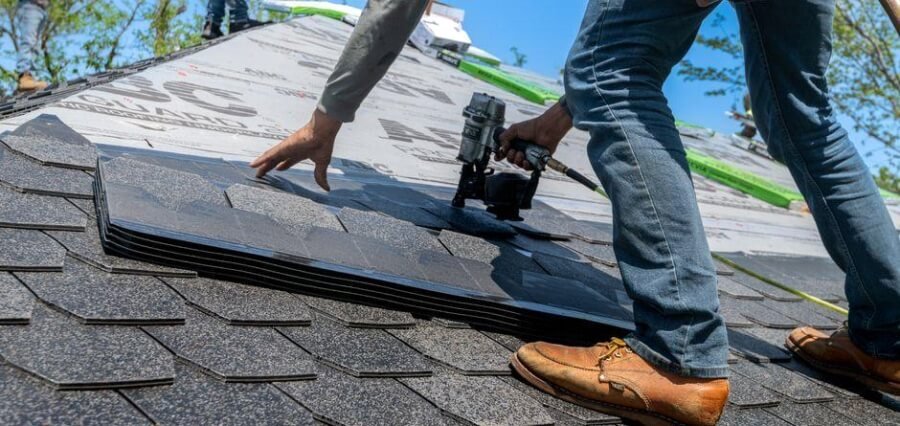




Replacing a roof is easy to postpone until a leak or storm makes the decision urgent. Yet a successful project starts well before materials arrive. The roof’s condition, installation quality, estimate details, and warranty all affect what you pay and how well the new roof performs. In a place such as Joliet, where roofs face freezing temperatures, wind, hail, and heavy rain, planning for changing weather is especially important.
Before choosing a color or signing a quote, understand what your roof needs. Preparation can help you avoid rushed decisions, surprise charges, and preventable repairs.
Begin With an Honest Assessment
A roof that looks worn from the ground may still have useful life left, while one that appears intact can conceal damaged decking, failed flashing, or attic moisture. Arrange an inspection of the roofing material, underlayment, ventilation, flashing, and roof deck.
Ask for photographs and written explanations. If a contractor recommends a full tear-off, ask what evidence supports that advice. Curling shingles, widespread granule loss, exposed fasteners, soft spots, and recurring leaks may indicate more than cosmetic aging.
Check the attic for damp insulation, water stains, or poor airflow. A useful inspection should explain how the roof’s components work together and which issues need attention.
Choose Materials for Performance, Not Appearance Alone
Color and style matter, but the complete roofing system matters more. Asphalt shingles offer a familiar balance of cost and durability. Metal roofing can last longer and resist weather well, though the upfront cost is often higher and installation quality remains essential.
Compare wind and impact ratings that fit your needs, but remember that ratings do not guarantee damage prevention or an insurance discount. Confirm possible discounts with your carrier before including them in your budget.
Underlayment, flashing, drainage, and ventilation help manage water and moisture. When comparing bids from a roofing company in Joliet, look for a clear explanation of these components and how the proposed system suits the house. The cheapest material is not necessarily the least expensive over the roof’s full service life.
Know When Repeated Repairs Stop Paying Off
A targeted repair can make sense when damage is isolated, and the rest of the roof remains sound. Replacing a few missing shingles or correcting a small flashing failure may extend its useful life.
The calculation changes when leaks return in different areas, repairs become frequent, or damage spreads. Repeated patching can cost more than replacement, particularly if moisture affects insulation, ceilings, or structural materials.
Age matters, but it is not the only factor. Service life depends on material, installation, ventilation, maintenance, and weather exposure. Ask the inspector to explain the roof’s condition and likely remaining life rather than relying on age alone.
Build a Budget That Covers the Whole Project
Shingles are only one part of the bill. The estimate may include removing and disposing of old materials, underlayment, flashing, ventilation components, and labor. If the roof deck has rot, replacing plywood or oriented strand board can add costs.
Steep slopes, valleys, dormers, skylights, and difficult access can make installation slower. Permit requirements may also affect the budget.
Request an itemized estimate and compare the scope, materials, disposal, cleanup, and allowances for hidden damage. If one quote is much lower, ask why. Important work may have been excluded or described too vaguely.
Hire a Contractor Who Explains the Work
Verify applicable licensing, insurance, references, and relevant manufacturer credentials. Ask who supervises the job, whether subcontractors will be involved, and how the crew will protect siding, landscaping, and driveways.
Look for review patterns about communication, scheduling, cleanup, and problem resolution rather than relying on star ratings alone. The written contract should specify the work, materials, payment schedule, estimated dates, cleanup, and how unexpected damage will be handled.
For more guidance, read this resource on how to avoid home improvement scams. Be wary of pressure to sign immediately or pay the entire amount upfront, and make sure verbal promises appear in writing.
Read the Warranty Before Work Begins
A manufacturer’s warranty for product defects is different from a contractor’s workmanship warranty for installation-related problems. Each may have exclusions, time limits, and separate claim procedures.
Read beyond phrases such as “lifetime coverage.” Check registration requirements, changing coverage, maintenance expectations, and which installation practices could affect eligibility. Ask whether labor, removal, and replacement are included.
Keep the contract, product information, warranty documents, inspection photographs, and payment records. These can help establish what was installed if a problem develops.
Plan for Weather and Everyday Disruption
Roofing creates noise, vibration, debris, and activity around the house. Move vehicles away from work areas, secure fragile attic belongings, and agree on where materials and disposal containers will go. Plan ahead if pets or household members are sensitive to noise.
Ask how the contractor monitors forecasts and protects exposed areas if conditions change. A realistic schedule should account for the roof’s complexity and possible delays.
Replacement can also be a chance to address insulation or airflow problems. This guide to cool roofs explains how roof surfaces influence heat absorption and cooling needs. The right choice depends on the building and its climate.
Make the Decision for Long-Term Value
The best proposal is not automatically the cheapest or the one with the most upgrades. It should address the roof’s condition, specify suitable materials, explain installation details, and set clear expectations for cost, timing, cleanup, and warranty coverage.
Compare the inspection findings and the completeness of each estimate. A dependable contractor should explain why the work is necessary and what alternatives exist. If recommendations are vague or the sales process relies on pressure, pause before committing.
A roof protects far more than the rooms beneath it. Careful planning, transparent pricing, and sound workmanship can reduce avoidable surprises and help the investment serve your home for years.