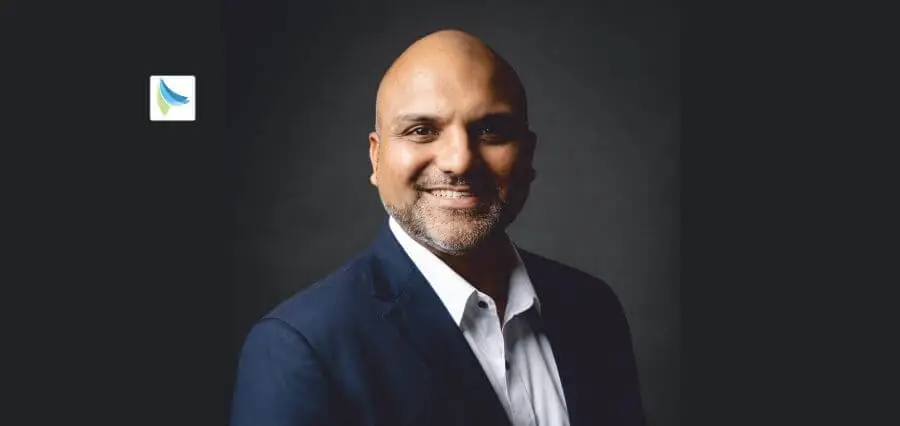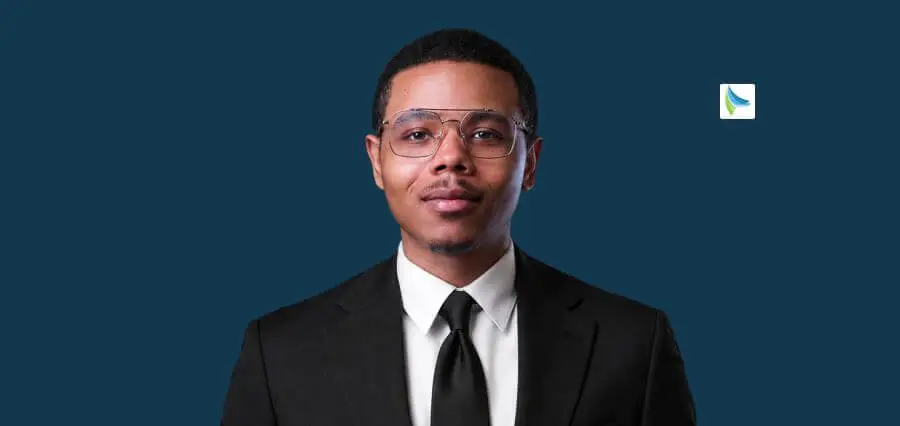





Leadership goes much deeper than just a title or position in an organization. With the changing business world, trustworthiness, integrity, accountability, and making a difference are what make up effective leadership. Michel Bakhtiarian, currently serving as the Associate Director at EFG Private Bank, has built his career around more than just succeeding in the corporate world. He has formed his own philosophy of leadership in the areas of finance, business, and mentoring.
To Michel, these are not just theories; rather, they form the foundation upon which he acts. This is evident through his day-to-day interactions with colleagues as well as in his participation in crucial discussions in the boardroom. Michel’s career provides a compelling example of the importance of values-driven leadership as industries evolve and technology continues to advance.
Leading with Integrity
Michel began his career with a strong focus on performance and measurable results, which was natural for someone working in finance. Over time, however, his understanding of success evolved. He realized that numbers alone cannot sustain an organization or build a lasting career. People play an equally important role.
“Lasting leadership is built on trust, humility, and accountability because people do not just follow expertise; they follow character,” he explains.
This realization shaped Michel’s leadership approach. He places equal importance on listening, understanding different perspectives, and creating value for the people around him. Markets change, technologies advance, and industries continue to evolve. However, Michel believes that certain values remain essential. Honesty, respect, and responsibility continue to guide his decisions. He applies these principles to every professional and entrepreneurial opportunity.
Navigating Uncertain Times
Michel does not point to a single crisis or major turning point as the experience that shaped his leadership. Instead, he reflects on a simple but important lesson. Significant decisions rarely come with complete information. Through his experience in finance and business, he learned that waiting for complete certainty can result in missed opportunities.
This lesson changed Michel’s approach to decision-making. Instead of searching for the perfect decision, he focuses on making informed choices with confidence. He also remains flexible and adjusts his approach when new information becomes available. Over time, he learned to remain composed under pressure. He understands that a leader’s role is not only to solve problems but also to provide clarity and confidence during uncertain situations.
“Looking back, that shift in mindset has made me more thoughtful, more adaptable, and ultimately a better decision-maker,” he reflects. This lesson continues to guide Michel’s leadership approach. It shapes how he responds to market changes, manages uncertainty, and addresses differences within teams.
Intelligence with Empathy
Michel views emotional intelligence as a central element of effective leadership. He does not view it as a soft skill. Instead, he sees it as a valuable competitive advantage. He understands that every business depends on people. Therefore, technical expertise alone is not enough for effective leadership. Understanding people’s motivations, concerns, and perspectives is equally important.
Michel credits listening more than speaking for helping him build strong professional relationships. Before offering a solution, he takes time to understand the individual and the full context of the situation. This approach builds trust and encourages open and honest communication.
He treats everyone with the same level of respect, regardless of their position or seniority. Consistency, empathy, and authenticity guide his leadership approach. These qualities create an environment where people feel valued and confident. They also encourage individuals to share their ideas and contribute their best work.
Accountability in Every Action
Michel believes that trust is built over time through consistent actions. People need to see that a leader’s expectations, principles, and decisions remain steady in different situations. When this foundation is strong, accountability becomes easier to maintain because everyone understands that the same standards apply to all.
Rather than simply assigning tasks, he gives people ownership of outcomes. When individuals understand the objective and have the trust to make informed decisions, they become more engaged and confident in their abilities. He combines autonomy with clear accountability and ensures that high standards are supported by guidance and constructive feedback. His goal is to create an environment where people feel challenged to grow while having the support they need to succeed.
Values in Action
Michel looks for four key qualities in the people he chooses to work with: integrity, curiosity, discipline, and resilience. While skills can be developed, character forms the foundation of strong and successful professional relationships. He values individuals who ask thoughtful questions, remain eager to learn, and approach challenges with a positive mindset. He sees curiosity as a valuable competitive advantage because it supports continuous learning and improvement.
To inspire these qualities in others, he leads by example. He believes that people respond more strongly to consistent actions than to words. He demonstrates professionalism and a strong commitment to excellence through his daily approach. He also recognizes effort, welcomes new ideas, and creates an environment where people feel confident taking initiative beyond their formal responsibilities.
The Defining Accomplishment
Michel considers the responsibility he earned at a relatively young age to be one of his proudest achievements. While titles, major deals, and career milestones often define professional success, he values the trust placed in him and the opportunities to take on meaningful responsibilities early in his career. This experience shaped a philosophy that continues to guide him in every new venture. He focuses on building competence rather than seeking recognition.
He believes that recognition follows naturally when people consistently create value. Looking ahead, his ambitions extend beyond personal success. He aims to build strong businesses, mentor future leaders, and contribute to the continued growth of the region. He measures success not only by individual achievements but also by the positive impact he creates and the opportunities he provides for future generations.
Innovation with Stability
Michel believes that successful leadership requires a careful balance between innovation and stability. He addresses this balance by distinguishing between what should change and what should remain constant. Markets evolve, technology advances, and industries transform. Leaders must adapt with confidence and respond to new opportunities. At the same time, values such as transparency and respect must remain strong.
He embraces innovation because he sees it as essential for long-term progress. This includes adopting new technologies, improving processes, and exploring new business opportunities. However, he believes that speed should never compromise sound judgment or ethical decision-making. In his view, sustainable leadership depends on the ability to adapt while remaining guided by strong values. Innovation shapes how an organization grows, while principles help ensure that growth remains responsible and lasting.
Resilience in Action
Michel views criticism, setbacks, and difficult decisions as important parts of professional growth. He sees every challenge as an opportunity to learn and strengthen future decision-making. Rather than focusing on why something went wrong, he concentrates on the lessons gained from the experience and how they can support better outcomes.
He builds resilience through discipline in his daily life. Continuous learning, physical fitness, and structured routines help him maintain focus and mental clarity during challenging situations. He also follows a long-term perspective. He understands that one difficult day, an unsuccessful project, or a single piece of criticism does not define an entire career. This perspective helps him remain focused and make rational decisions instead of reacting emotionally.
Evolving with Balance
Michel believes that leadership extends beyond the workplace. He views balance as giving the right amount of attention to what matters most at each stage of life. Continuous learning is an important part of his daily routine. He reads widely, studies financial markets, explores new industries, and follows global trends. He sees learning as a valuable investment that supports long-term personal and professional growth.
Outside of work, he prioritizes physical health and spends meaningful time with family and friends. He also pursues entrepreneurial projects that align with his personal interests. These activities provide perspective and help him maintain a balanced approach to life. He emphasizes that effective leadership requires individuals to become well-rounded, not only successful in their professional roles. In his view, investing in personal growth helps people become better equipped to support and serve others.
A Vision Beyond Success
Michel views leadership legacy as more than titles and business achievements. He values the trust he earns and the positive impact he creates in the lives of others. He aims to build organizations that create long-term value, encourage innovation, and empower people to reach their full potential. He considers the development of future leaders to be one of the most meaningful contributions a leader can make.
His advice to aspiring entrepreneurs reflects this philosophy. He encourages them to invest in themselves before investing in other opportunities and to build strong character before developing a personal brand. He emphasizes also highlights the value of patience, recognizing that success rarely happens overnight. Instead, it is built through many small and consistent decisions made over time.
For Michel, leadership is measured by the value created, the integrity maintained, and the positive influence a leader has on others. He encourages aspiring leaders to focus on creating meaningful value, protect their integrity, and allow their reputation to reflect their actions. While this approach may appear simple, it requires discipline and commitment, especially in industries where speed and short-term results often receive greater attention than long-term character and sustainable impact.