

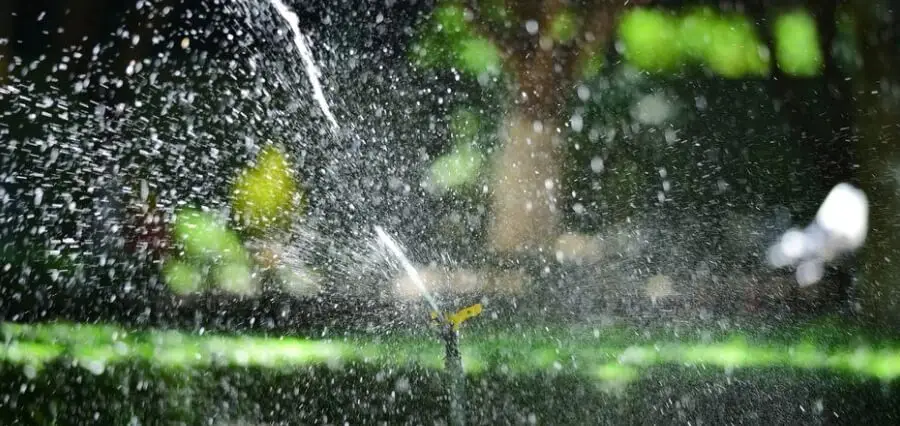


Water is the one resource a yard cannot do without, and in this part of Florida it arrives unevenly. Some weeks bring afternoon storms that soak the ground past what any lawn can use. Other stretches pass with nothing at all, and the grass starts pulling back long before a homeowner notices. Managing that swing takes more than turning a system on and hoping for the best.
Homeowners in Safety Harbor who pay attention to how water reaches their lawn, and how much of it actually stays there, tend to spend less over the course of a year and end up with better-looking turf. A routine built on observation rather than habit is what separates a yard that holds its color from one that struggles every dry season.
Where Yards Quietly Lose The Water They Are Given
A controller running on schedule creates the impression that every part of the yard is being taken care of. Sprinklers settle below grade, get knocked out of position by mowers and foot traffic, and crack at the fitting, while slow leaks along a lateral line pull pressure away from the zones farthest from the valve. Repair work on a sprinkler system is what puts that lost volume back into the zones that are being starved, and no amount of extra run time does the same job.
Homeowners who want even coverage across the yard should book sprinkler repair in Safety Harbor before the dry months arrive. Once the water is landing where it belongs, everything else in a watering routine has a chance to work.
Reading The Lawn Before Adjusting The Schedule
Grass communicates its condition clearly if you know what to look for. Grass folds its blades inward when it is short on water, takes on a dull bluish tint in areas that ought to be bright green, and holds footprints for several minutes after you cross it, all of which mean the lawn is ready for water ahead of whatever the calendar says.
The opposite signs matter just as much. Soft ground underfoot, standing moisture in low corners the morning after a cycle, and a spongy layer building at the base of the grass all suggest the yard is receiving more than it can absorb. Checking these signs twice a week takes only a few minutes and gives a far better picture than any fixed timetable.
Watering Deeply Rather Than Often
The most common mistake homeowners make is running short cycles every day. Light watering wets only the top layer of soil, and roots respond by staying shallow where that moisture sits. A lawn with shallow roots has no reserve to draw on when conditions turn dry, so it browns quickly and recovers slowly.
Longer cycles run less frequently push moisture deeper within the soil’s profile. Roots follow that moisture down, and the lawn becomes far more tolerant of heat and drought.
Timing Cycles Around Heat And Wind
When water goes down matters nearly as much as how much of it goes down. Early morning is the best window, generally between four and eight o’clock. Temperatures are low, wind is calm, and the water has time to soak in before the sun begins pulling it back into the air. Midday cycles lose a substantial share of their volume to evaporation before it ever reaches the root zone, which means paying for water the lawn never touches.
Evening watering creates a different problem. Grass that stays wet through the night gives fungal disease an ideal environment, and in a humid climate that risk is real throughout much of the year. Blades should have time to dry before darkness settles in. If a morning cycle is not possible, late afternoon is the better compromise.
Soil Conditions That Change What The Lawn Can Hold
Sandy soil drains quickly and holds very little, which is why so many yards along the Gulf Coast need more frequent attention than the same grass would elsewhere. Compacted soil creates the opposite issue, shedding water across the surface instead of letting it enter. Both conditions waste water in different ways.
Running an aerator over the yard once a year breaks up compacted ground so moisture and air can reach the roots. Topdressing with organic matter gives sandy soil more capacity to hold what lands on it; how the lawn is cut matters too. Longer blades shade the soil, cut down on evaporation, and encourage roots to grow deeper, which is why lifting the mower deck a notch through the hot months lowers what the yard needs to stay healthy.
Working Within Local Watering Guidelines
Counties across the region set watering day restrictions that vary by address and by season, and those rules change often enough that it pays to confirm the current schedule rather than rely on what applied last year. Restrictions are not an obstacle to a healthy lawn. In most cases, they align closely with what turf actually needs, since two well-timed cycles a week generally serve a yard better than daily light watering ever will.
Rain sensors and modern controllers make compliance simple by skipping cycles after measurable rainfall. That single addition prevents the familiar sight of a system running during a downpour and trims water use across the year without any effort from the homeowner.
Letting The Routine Shift With The Seasons
A good watering routine is never finished. Cooler months slow growth and reduce demand, sometimes by half. Storm season may cover a yard’s needs for weeks at a stretch. Spring brings a rapid return to growth that requires more attention than the winter setting provides.
Reviewing the schedule at the start of each season, walking the yard regularly, and adjusting based on what the grass shows will keep a lawn healthy far longer than any fixed program. Over time, that habit produces a yard that stays even in color, resists stress better, and costs noticeably less to maintain.