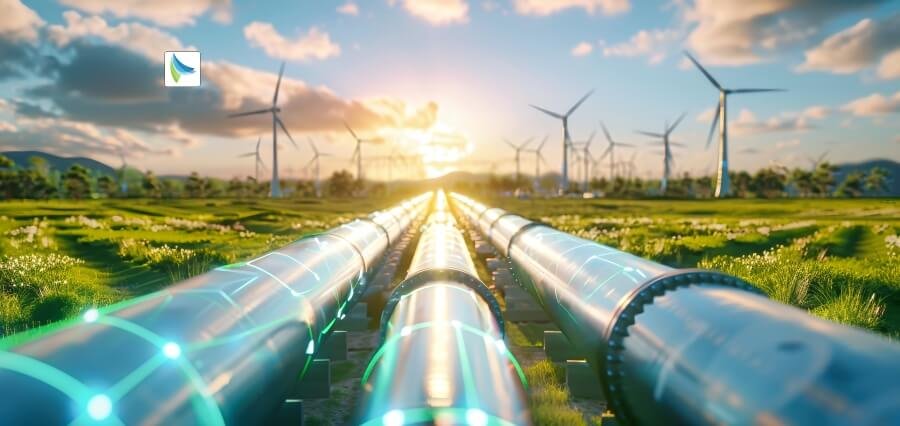
Powering Clean Growth
The shift away from fossil fuels toward cleaner sources of energy is not a distant ambition sitting somewhere on a policy horizon. It is happening right now, in real places, through real investment decisions that are reshaping how electricity gets generated, distributed, and consumed across the country. Renewable energy infrastructure is what that shift is physically built on: the systems, networks, and facilities that turn clean energy from a concept into something that actually powers homes, businesses, and industries at the scale a modern economy demands. Anyone watching where energy is heading has good reason to understand what building that infrastructure actually takes and why getting it right matters so much.
Understanding the Scope of Renewable Energy Infrastructure
The term encompasses more than most people picture when they think about clean energy. Solar panels and wind turbines are the most visible elements, but renewable energy infrastructure includes the transmission lines that carry generated power to where it is needed, the storage systems that hold energy for use when generation is low, the grid upgrades that allow variable renewable sources to be integrated reliably, and the facilities that convert, manage and distribute clean energy across regional and national networks.
Each of these components is necessary. Generation without transmission is stranded power. Transmission without storage creates reliability challenges when the sun is not shining, and the wind is not blowing. Getting the full infrastructure picture right, not just the generation assets but everything that connects them to actual energy users, is what determines whether a clean energy transition delivers on its promise.
Why Modernizing the Grid Matters
The electrical grid is the infrastructure that everything else depends on, and most grids were built for a different energy era, one defined by large centralized power plants generating electricity on demand rather than distributed sources whose output varies with weather and time of day. Integrating renewable energy infrastructure into a grid designed for a different model requires significant investment and careful planning.
Grid modernization, including upgrading transmission capacity, adding flexibility through storage and demand management, and building digital systems that manage increasingly complex energy flows, is one of the most important and least publicly discussed dimensions of the clean energy transition. Without it, even abundant renewable generation capacity cannot be reliably translated into stable power delivery at the scale society requires.
Storage and Solving the Reliability Challenge
One of the most persistent questions about renewable energy concerns what happens when generation drops, when clouds cover solar panels or wind speeds fall below what turbines need to operate effectively. Renewable energy infrastructure that includes adequate storage capacity addresses this question directly by holding energy generated during high-production periods and releasing it when demand exceeds what current generation can supply.
Battery storage technology has advanced considerably and continues to do so. The cost of storage has fallen substantially over recent years, and the capacity being deployed is growing rapidly. Other storage approaches, including pumped hydro and emerging technologies, add further options for managing the variability that renewable sources introduce. Storage is not a future solution to the reliability question; it is an increasingly present one.
Creating Jobs Through Clean Energy Development
The construction, operation, and maintenance of renewable energy infrastructure generates employment, skilled, well-paying employment that tends to be anchored in the communities where the infrastructure is located. Manufacturing components, building facilities, maintaining operating assets, and managing the grid systems that integrate renewable generation all create work that cannot easily be outsourced or automated away.
Communities that have historically depended on fossil fuel industries and are navigating the economic challenges that come with the transition away from them have real opportunities within the clean energy buildout, if the policies and investments that direct where infrastructure gets built account for where those communities are and what they need.
Addressing Planning and Permitting Challenges
The technical and economic case for expanding renewable energy infrastructure is strong, but the path from that case to actual built infrastructure runs through planning and permitting processes that can add years to project timelines. Siting decisions involve competing land use interests, community concerns, and regulatory requirements that vary significantly across jurisdictions.
Streamlining these processes without eliminating the legitimate community input that they exist to incorporate is one of the more challenging policy problems associated with the clean energy transition. Getting it right matters because infrastructure that takes a decade to permit and build cannot keep pace with the energy transition the climate requires.
Looking Ahead
Renewable energy infrastructure built well and built at sufficient scale is the physical foundation that a genuinely sustainable energy future rests on. The decisions being made right now about where to invest, what to build, how to upgrade the grid, and how to integrate storage and transmission determine how quickly and how reliably that future arrives.
Those decisions carry consequences that extend well past the immediate investment horizon, shaping the energy systems that communities, industries, and economies will depend on for decades to come.