



Psychology Experts in Workplace Conflict Transformation
Businesses are realizing that failure to address conflicts can have a detrimental effect on their operations, employees, efficiency, and ultimately their business. With the emergence of communication issues due to globalization, hybrid workplaces, and diverse workplace structures, there is a need for more intricate conflict management techniques to be implemented. It should be noted that good relationships in the workplace are not just about doing the right things anymore. This is because good relationships in the workplace are one of the key elements of ensuring sustainability in the business environment.
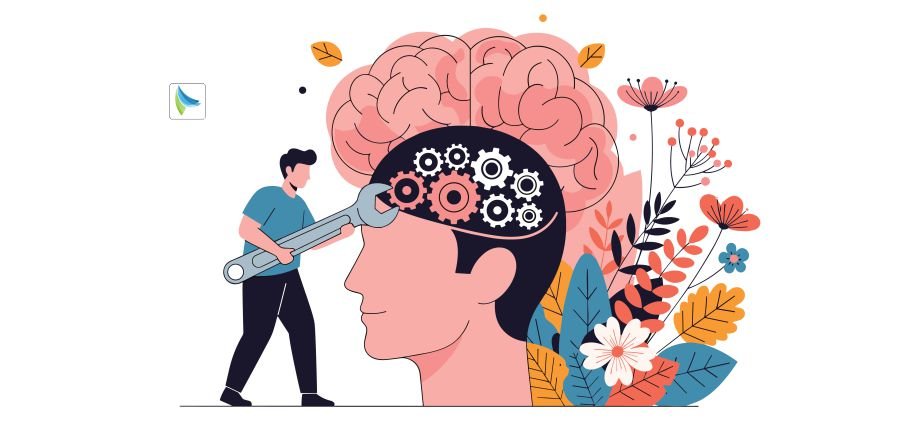
Psychology Experts in Workplace Conflict Transformation help organizations to improve their communication, enhance their emotional intelligence, and build healthier workplace cultures in this space. These professionals employ the principles of behavioral psychology and conflict resolution techniques to manage conflict before it escalates into bigger operational issues. Businesses that focus on proactive conflict management can be well placed to enhance employee engagement and organizational performance.
Concurrently, growing leadership and expertise in Neutral Facilitator skills are needed to facilitate productive conversations and facilitate fair processes of conflict resolution. Neutral facilitation can facilitate resolution of conflict and promote transparency, accountability and understanding among employee and leadership groups, building a more balanced discussion in an organization.
The Role of Emotional Intelligence and Communication
Today’s work environment demands people to work together with colleagues and leaders who are culturally, professionally, and linguistically diverse. Conflict can develop between team members and between departments caused by mistakes in what was expected, methods of leadership and approaches to communication. If these challenges are not addressed, it could lead to decreased morale, productivity, and employee turnover.
A number of Psychology experts in workplace conflict transformation are interested in enhancing emotional intelligence and communication in organizational contexts. Conflict transformation is the process in which coaching programs, behavioral evaluations, and communication training sessions are some of the conflict transformation methods that help improve communication and cooperation. These efforts enable employees to become aware of their emotional responses, learn to listen, and build more positive strategies to solve issues.
In the same vein, a good neutral facilitator will be able to help the organization communicate amid difficult negotiations and conflict situations. A facilitator provides a platform where individuals are allowed to share their views in a professional and dignified manner. In such cases, it becomes easier to improve employer-employee relations within the organization.
Conflict resolution processes are also increasingly being incorporated into leadership development initiatives. Companies that promote teamwork and emotional intelligence have a higher likelihood of achieving good business culture and uniformity.
Technology, Hybrid Work, and Conflict Resolution
However, advancements in technology and hybrid working styles are transforming the manner in which businesses conduct themselves. Although technology has provided people with the opportunity to collaborate from different locations across various time zones, this form of collaboration may result in misunderstanding due to the absence of direct communication.
Conflict Management approaches have been increasingly embraced by several Psychology Experts in Workplace Conflict in order to assist in the contemporary remote/hybrid workplace setting. Companies are actively engaging in efforts to improve employee engagement and address communication challenges through virtual mediation, communication skills training, and online collaboration.
On the other hand, good neutral facilitator leadership is key in the digital environment in addressing complexity in workplace conversations. The facilitator will help the teams create productive virtual meetings and collaborative projects, encouraging balance and fostering positive discussion.
Besides, digital tools can be used to analyze employee feedback, test the level of employee satisfaction and identify where there are communication difficulties in the organization. Organizations can evaluate and make improvements to their work environment and create intra- or inter-personal relationships using data.
Building Sustainable Workplace Cultures
The development of collaboration, accountability, and respectful communication among employees in the workplace is important for the success of the organization. In industries that move quickly and have stiff competition, there is growing recognition of the importance of having a good relationship within the work environment.
Strong Psychology Experts in Workplace Conflict Transformation support organizations to build resilience and develop effective communication and proactive problem-solving approaches. Companies which implement workplace wellbeing and conflict resolution initiatives are more likely to keep employees happy and organization stable.
Likewise, when the Neutral Facilitator works effectively, the trust in the organization will increase due to their balanced, respectful, and solution-oriented discussions. Organizational communication policies ensure that organizations are well-prepared for change, team building, and long-term employee engagement.
In the future, leadership based on communication skills and systematic conflict management is expected to be of increasing significance in the workplace environment due to the need to ensure resilience and productivity. Emotional intelligence, good relations in the workplace, and conflict management are likely to result in improved organizational processes and more positive workplaces, which would contribute to the growth of the organizations and the well-being of their employees.