



With increasing digitalization, individuals are fundamentally changing how they access and interpret health information. The social media platforms have been used as a powerful source of knowledge sharing and through it people communicate directly with the content creators who present complex health issues in a simple and relatable manner. The most influential among these digital voices are the women health influencers that use their platforms to educate, inspire, and engage the world about a wide variety of health issues. Their presence signifies a dramatic change in communication about public health, in which one-on-one narratives and experience supplement the normal medical narratives. With the nature of trust on traditional information sources changing, listeners are resorting to voices that have authenticity, relatability and are consistent. Women health influencers play a distinctive role in this field by combining personal knowledge with credible information to highlight topics that are often overlooked or stigmatized.
Digital Voice
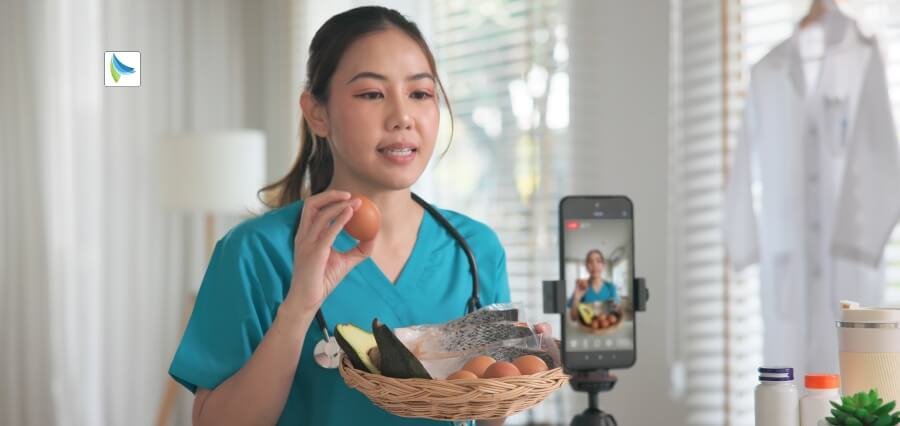
Women health influencers now serve as global power ambassadors who use digital platforms to present complex health information in a simplified and accessible format. The health professionals create relatable content about medical information through their Instagram, YouTube and TikTok social media platforms, which they use to connect with their audiences and fill the gaps in traditional healthcare systems. The health professionals use their outreach skills to educate people about important topics like reproductive health, mental health, nutrition, and preventive health care.
The rise of such influencers is indicative of a general change in the way health information is consumed and believed. Viewers want to find real, experience-based information and no longer want to use only institutional messages. Influencers particularly women who create content for their audiences use personal stories and empathy-driven storytelling techniques to establish trust and connection with their viewers. This has increased the availability of health education, particularly in those areas that lack healthcare literacy or those where cultural barriers inhibit the open discussion of sensitive health matters.
Impact on Awareness
Women health influencers play a significant role in raising awareness about under-discussed and stigmatized health conditions. The influencers have created public awareness about endometriosis, polycystic ovary syndrome, mental health challenges and postpartum recovery through their online content. The organization uses personal experiences and expert information to support people in obtaining early diagnosis while reducing stigma and medical help.
Their influence extends beyond awareness into behavioral change. Influencer partnerships with healthcare professionals enhance credibility because they provide information that follows medical standards. The combination of personal storytelling and professional knowledge creates a more educated public who cares about health issues.
Challenges Ahead
Despite their positive impact on women’s health, influencers experience various obstacles which disrupt their ability to deliver trustworthy health information. The absence of standardized rules for digital health communication results in health professionals spreading false information and providing overly simplified health recommendations. The situation becomes dangerous because audiences choose to depend on influencer advice instead of seeking help from skilled doctors. Content creators experience difficulties because they have to produce content at a fast pace while dealing with engagement demands which lead to people sharing their work without verifying its truthfulness.
The next difficulty emerges because people need to find a way to establish real connections with customers while pushing their business goals forward. As influencer marketing continues to expand through partnerships, health and wellness brands create new opportunities that may challenge marketers’ ability to maintain neutrality. Organizations build public trust through their commitment to open communication and their dedication to ethical business practices. Public health professionals use their position to determine which information should be included in their content while they must provide evidence-based material that meets all standards.
Conclusion
The emergence of female health influencers demonstrates a crucial transformation in communication methods because their online presence together with their personal experiences produces better awareness. Influencers have increased health awareness by making health information easier to understand for diverse audiences, thereby reducing stigma and encouraging health-seeking behavior. Public health messaging in the digital age has become more effective due to their ability to build personal connections, enabling them to reach a wider audience. Their growing influence requires them to share information responsibly while they work with medical experts to build transparent communication about their research findings. Women health influencers will continue to serve as influential voices in the digital health ecosystem as they uphold ethical standards and apply evidence-based communication methods.