



Every corporate event planner knows the pressure of creating experiences that justify the investment of time and travel. Especially when half the room is already checking their phones before the keynote even starts.
There’s simply so much coordination required, from sourcing quality coffee catering for events to optimizing spatial flow and building in appropriate rest intervals.
These comfort details operate beneath conscious awareness, yet they profoundly influence how attendees feel and behave throughout the day. People remember how an event made them feel long after they forget specific presentation slides or panel discussions.
When someone’s fidgeting in an uncomfortable chair or mentally foggy from sitting too long without a proper coffee break, even the most brilliant content falls flat. On the other hand, when comfort is planned with intention, engagement grows without effort.
In the sections ahead, we will highlight how small details come together to shape the overall event experience.
Seating Arrangements Influence Interaction Patterns
The way chairs and tables are positioned determines who talks to whom throughout the day. Theater-style rows might work for passive listening, but they are detrimental to spontaneous conversation and peer-to-peer exchange.
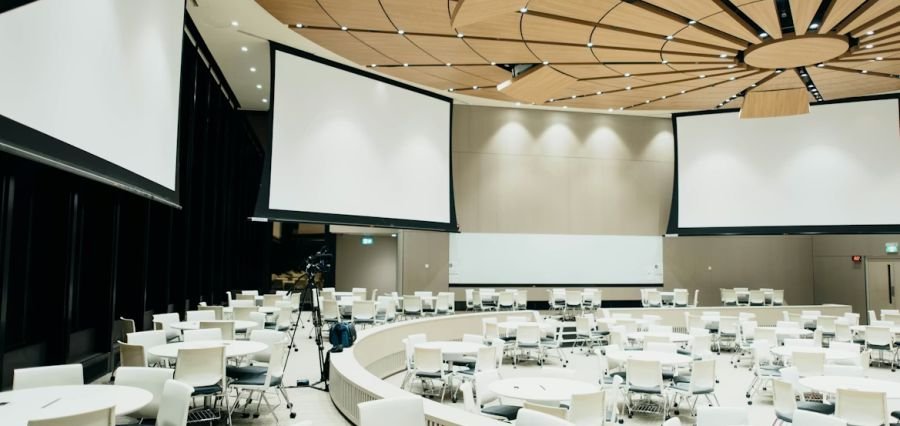
Round tables encourage discussion, while long banquet tables can accidentally create hierarchies based on who sits where. The power of networking is a cornerstone of these gatherings, and people engage differently depending on their physical proximity to others.
You definitely don’t want half the room feeling isolated because they ended up in awkward corner positions. In fact, that’s the whole point of organizing these events in the first place, creating conditions where meaningful professional connections can form naturally.
When seating feels intentional rather than random, attendees perceive the event as thoughtfully designed. Small adjustments like angling chairs slightly inward or leaving appropriate space between tables can dramatically change how comfortable people feel initiating conversations with strangers.
Refreshment Quality Affects Energy and Engagement
Let’s be honest, no one really remembers the breakout session that happened right before lunch when their blood sugar was crashing. Refreshment quality directly impacts how well people absorb information and participate in discussions.
Stale pastries and sugary snacks might seem like budget-friendly choices, but they create energy spikes followed by attention crashes. Coffee deserves special consideration here. Instead of settling for standard options, finding a coffee catering service that offers unique, high-quality beverages can enhance the experience considerably, notes Astro Coffee.
It’s a simple yet effective way to leave a lasting impression on attendees. Fresh fruit, protein-rich snacks, and hydration stations keep energy levels stable throughout the day. Networking opportunities emerge naturally around refreshment areas, where professionals pause between sessions to recharge and connect.
Poor-quality snacking options send people hunting for the nearest café, fragmenting the group and disrupting the flow. These gatherings exist primarily to facilitate meaningful professional exchanges, which require attendees to be energized. When refreshments are thoughtfully chosen, people stay present and engaged instead of mentally checking out halfway through the afternoon.
Well-Paced Breaks Sustain Attention Through Long Days
Long days and dense schedules can easily take the excitement out of corporate events. Even the most engaged professional has limits on how much information they can absorb in one sitting.
Events like AWS re: Invent and TechCrunch Disrupt have managed to hold attention spans despite long program schedules, largely because breaks are strategically built into the flow.
Pushing through hours of back-to-back sessions without adequate pauses leads to diminishing returns on every presentation that follows. People need time to process what they’ve learned, check messages, use restrooms, and simply decompress mentally.
A 15-minute break every 90 minutes can make an enormous difference in sustained engagement. Without these intervals, attendees start sneaking out mid-session or zoning out completely while physically present.
Well-paced breaks also create natural networking windows where spontaneous conversations happen. When pacing respects human attention limits, the entire event feels more manageable and enjoyable rather than exhausting.
Lighting Levels Shape Mood and Alertness
Harsh fluorescent lighting drains energy faster than most planners realize. According to popular research, lighting quality directly affects cognitive performance and emotional state throughout the day. Overly bright spaces create visual fatigue and headaches, while dim environments trigger drowsiness regardless of how compelling the content is.
Natural light remains ideal when available, but most venues require thoughtful artificial lighting adjustments. Warm tones during morning sessions help people ease into the day, while cooler temperatures work better for afternoon focus.
Avoiding direct overhead glare on screens and faces makes a noticeable difference in comfort levels. Many attendees won’t consciously register lighting quality, but their bodies respond to it constantly.
When illumination feels natural and appropriate for the time of day, people stay mentally sharper and physically comfortable without understanding exactly why the environment feels right.
Thoughtful Acoustic Design Prevents Mental Exhaustion
Excessive background noise wears people down quickly. Studies show that our brains burn serious energy just filtering out irrelevant sounds while trying to focus on what matters.
Echo-heavy rooms force everyone to strain for every word, and that fatigue builds up fast across a full day. Carpeting, wall panels, and ceiling treatments do the unglamorous work of absorbing excess sound so conversations don’t all blur together.
Even closing doors to adjacent hallways helps more than most planners expect. Open floor plans might photograph beautifully, but they create constant low-level stress as our brains unconsciously track multiple sound sources at once. Nobody leaves an event thinking “wow, the acoustics were great,” but they definitely notice when they’re not.
Venues with decent sound design let people actually hear presentations without working for it. When acoustic comfort is handled properly, attendees leave feeling surprisingly energized instead of completely wiped out from spending eight hours straining to listen.
Comfort Isn’t Complicated
Look, creating a comfortable event experience doesn’t mean overhauling everything or tripling budgets. It just means noticing how attendees will feel throughout the day and planning accordingly. The points mentioned above aren’t revolutionary ideas, just practical ones that get skipped when timelines get tight.
Planning a corporate event already involves juggling countless moving parts. Adding comfort considerations to that list might feel like one more thing to track, but it simplifies more than it complicates. When attendees feel comfortable, they complain less, engage more, and remember the event positively.
Get the comfort foundation right, and everything else you’ve worked hard on will get the attention it deserves.