



When selecting finishes for a home, few decisions carry the long-term impact of flooring and wall tiles. Among the many options available, cream tiles remain a popular yet sometimes debated choice. Homeowners often ask, are cream tiles timeless, or do they date a space?
The short answer is yes, cream tiles can be timeless when chosen and applied thoughtfully. This guide explores the enduring appeal of cream tiles, their advantages and limitations, how they perform in Australian homes, and how to style them for lasting relevance.
Why Cream Tiles Have Enduring Appeal?
Cream is a neutral colour with warmth, subtlety, and versatility. Unlike stark white or cooler grey tones, cream offers a softer visual effect that complements both classic and contemporary interiors. Its neutrality allows it to adapt to evolving design trends without appearing outdated.
Cream tiles reflect light gently, making rooms feel brighter and more spacious without the clinical appearance that pure white can sometimes create. This quality is particularly valuable in Australian homes, where natural light is a defining feature of interior design.
Historically, cream tones have been used in architecture and interiors for decades, which reinforces their perception as a “safe” and enduring choice. Rather than following short-lived colour trends, cream tiles sit comfortably within long-term design principles.
Cream Tiles in Australian Homes
Australian interior design often balances practicality with relaxed elegance. Cream tiles align well with this approach, offering durability and aesthetic flexibility across a wide range of climates and architectural styles.
In coastal homes, cream tiles pair naturally with sandy palettes, timber accents, and soft blues. In suburban family homes, they provide a neutral foundation that accommodates changing décor over time. In apartments and townhouses, cream tiles help maximise light and create a sense of openness.
From a resale perspective, neutral tiles such as cream are widely appealing to buyers. They provide a blank canvas that allows potential owners to imagine their own furniture and styling, which can be an advantage in the Australian property market.
Different Types of Cream Tiles and Their Longevity
Not all cream tiles are equal when it comes to timelessness. The material, finish, and format all influence how enduring the final result will be.
Porcelain cream tiles are among the most popular options due to their durability, low porosity, and resistance to staining. They are well suited to high-traffic areas such as kitchens, living spaces, and hallways.
Ceramic cream tiles offer a slightly softer aesthetic and are often used on walls, splashbacks, and low-traffic areas. While generally less durable than porcelain, they remain a cost-effective and visually appealing choice.
Natural stone tiles in cream tones, such as limestone or travertine, have a strong association with timeless luxury. Their natural variation adds character, though they require more maintenance and sealing to remain in good condition.
Matte and satin finishes tend to age better than high-gloss surfaces, which can highlight wear, scratches, and design trends from specific eras.
Do Cream Tiles Ever Look Dated?
Cream tiles themselves do not typically date a space; however, how they are used can. Certain design choices may make cream tiles feel tied to a particular decade.
Smaller tile formats, heavy decorative borders, or highly polished finishes were popular in the late 1990s and early 2000s and may now feel outdated. Similarly, pairing cream tiles with overly yellow paint tones or dated cabinetry can diminish their timeless appeal.
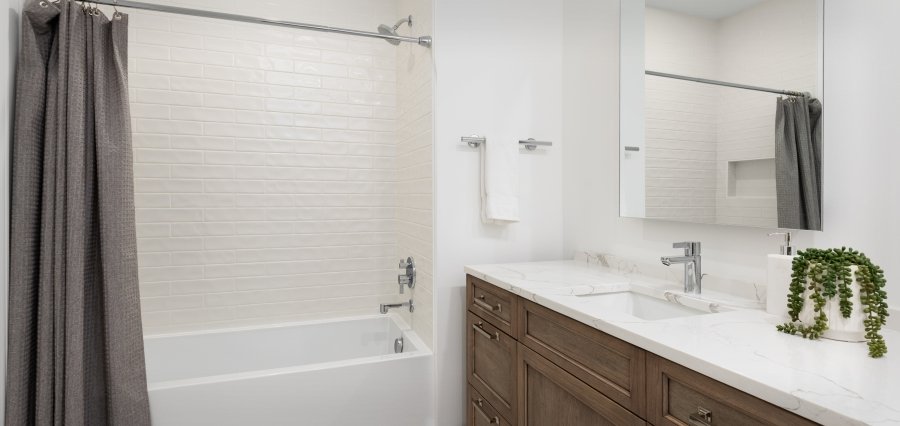
Modern applications favour larger tile formats, minimal grout lines, and simple layouts such as stacked or straight-lay patterns. When combined with contemporary fixtures and balanced colour palettes, cream tiles feel current and sophisticated rather than old-fashioned.
Styling Cream Tiles for a Timeless Look
To ensure cream tiles remain relevant for years to come, careful styling is essential.
Pair cream tiles with natural materials such as timber, stone, and linen for warmth and balance. This approach aligns well with popular Australian interior styles, including coastal, contemporary, and modern farmhouse.
Introduce contrast through cabinetry, tapware, or feature walls. Black, charcoal, muted greens, and soft greys all complement cream tiles without overpowering them.
Pay attention to grout colour, as it can dramatically change the appearance of tiled surfaces. A grout that closely matches the tile creates a seamless, refined look, while high-contrast grout may draw attention to the layout and potentially date more quickly.
Lighting also plays a crucial role. Warm or neutral lighting enhances the softness of cream tiles, whereas harsh cool lighting can make them appear dull or yellowed.
Practical Considerations: Maintenance and Durability
One of the practical advantages of cream tiles is their ability to hide dust, minor marks, and everyday wear better than very dark or very light tiles. This makes them a practical option for busy households.
Porcelain cream tiles, in particular, are easy to maintain with regular sweeping and mopping. Choosing a tile with subtle variation or light veining can further disguise minor imperfections over time.
In bathrooms and kitchens, selecting slip-resistant finishes ensures safety without compromising aesthetics. Advances in tile manufacturing mean many cream tiles now offer excellent slip resistance with minimal visual texture.
Are Cream Tiles a Timeless Choice?
When selected in the right material, size, and finish, cream tiles are undeniably timeless. Their adaptability, warmth, and compatibility with a wide range of design styles make them a reliable long-term investment for Australian homes.
Rather than being defined by fleeting trends, cream tiles succeed because they provide a neutral foundation that evolves with changing tastes. By pairing them with contemporary layouts, quality finishes, and thoughtful styling, homeowners can enjoy a look that feels elegant today and enduring for decades to come.