




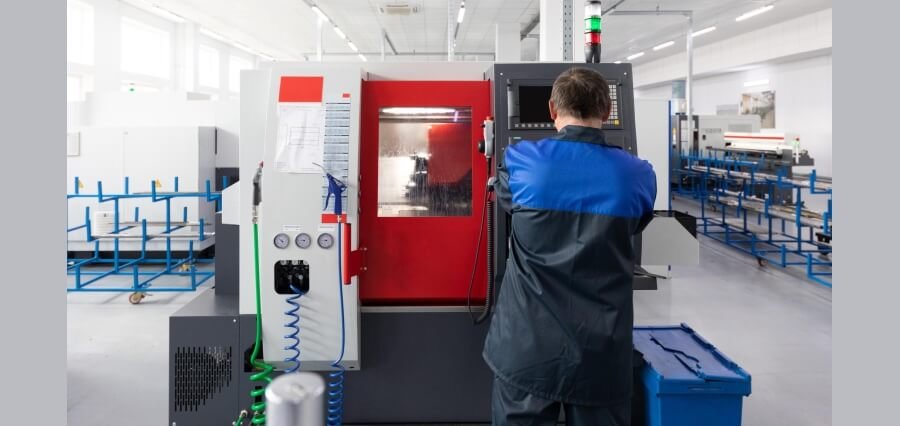
Manufacturers face pressure from every direction. Customers expect shorter lead times, tighter tolerances, and more customization while costs stay under control. CNC machining sits in the middle of this tension, and the latest innovations turn traditional machine shops into highly efficient, data-driven production environments.
Modern CNC technology no longer revolves only around faster spindles. Gains now come from smarter motion control, integrated automation, connected software, and a well-trained workforce that uses those tools creatively. When these elements line up, shops cut scrap, shorten setup, and respond faster to changing demand.
Below are key innovation areas that currently drive real efficiency gains on the shop floor.
Advanced Multi-Axis Machines For Complex Parts
Three-axis mills and basic lathes still play an important role, yet many shops now rely on multi-axis platforms to shorten process chains. Five axis and mill turn machines can reach more faces in a single setup, which removes repeated clamping, alignment, and manual handling.
This approach reduces stack up errors and brings tighter geometric consistency. A part that once needed three or four separate operations on different machines can go through a single clamping with tool paths that move smoothly around the workpiece. That change alone often cuts total cycle time by a large margin and reduces work in progress on the floor.
Tool changers, pallet systems, and probing systems multiply the benefit. Automatic tool length and diameter measurement keeps offsets accurate, while palletized fixtures make changeovers faster and more repeatable. Operators spend more time supervising productive cutting and less time wrestling with manual setups and shims.
Automation, Robotics, And Lights-Out Capabilities
Robotics used to feel out of reach for smaller shops. New generations of cobots, standardized grippers, and easier programming now make automation a practical option for a much wider range of production environments. Shops that integrate collaborative robots to load and unload machined components often see immediate gains in spindle utilization, because the robot keeps parts moving while operators manage multiple machines or higher-value tasks. Nights and weekends can become productive shifts rather than idle time, especially for stable part families that suit repeated runs under consistent conditions.
Conveyor systems, part racking, and automatic deburring cells extend lights out capability. When the cell receives raw stock in standard trays and returns finished parts to known locations, planners can schedule longer unattended windows with confidence. Maintenance, setup, and first article checks, then cluster around staffed hours, which makes use of both people and equipment more efficient.
Smarter Tooling, Sensors, And Real-Time Monitoring
Tools and inserts quietly shape efficiency through their impact on cycle time, surface finish, and machine uptime. Modern cutters with optimized geometries, coatings, and coolant channels allow higher feed rates at equal or better tool life. That shift reduces both cutting minutes and the frequency of tool changes.
Integrated sensors and monitoring systems add another layer of control. Load monitoring, spindle vibration analysis, and acoustic sensors detect abnormal conditions such as chatter, broken tools, or unexpected collisions early. Machines can pause programs, alert operators, or adjust parameters before scrap multiplies.
In-process measurement through probing and touch sensors helps keep parts closer to nominal dimensions. Offsets can update automatically after a warm up period or when tools begin to wear. Shops that apply this feedback reduce rework and spend less time at manual inspection stations, since more quality assurance happens during cutting rather than after.
Digital Twins, CAM Advancements, And Simulation
Computer-aided manufacturing has grown far beyond simple tool path generation. Powerful CAM systems now build virtual models of the machine, fixtures, and stock, often referred to as digital twins of the cutting process. This model allows full simulation of each step before chips fly.
When programmers see collisions, overtravels, or wasted air cutting in the virtual environment, they fix those issues early. That practice protects machines and avoids delays on the floor caused by program tweaks during setup. Simulation also reveals opportunities to consolidate operations, adjust stepovers, or refine entry moves for smoother cutting.
Automatic feature recognition, template-driven strategies, and libraries of proven cutting parameters shorten programming time. Once a process engineer dials in an optimal strategy for a material and geometry type, others can reuse it across similar parts. Standardization in the digital environment translates into consistency and speed on the machines.
Data-Driven Scheduling, OEE Tracking, And IIoT
Efficiency thrives when managers understand how machines actually perform, not only how they should perform on paper. Industrial Internet of Things platforms collect data from controls, sensors, and sometimes even cutting tools, then present a live view of utilization, downtime reasons, and scrap.
Overall Equipment Effectiveness (OEE) becomes more than a theoretical number. Operators can see which machines spend too much time waiting for setups, programs, or material. Planners notice patterns in changeover delays and adjust batch sizes or sequence rules. Maintenance teams track alarms and subtle changes in behavior that warn about future failures.
This visibility supports continuous improvement. Small tweaks, such as standardizing tool libraries between similar machines or reorganizing material flow, show up quickly in the data as fewer micro stoppages and smoother throughput. The shop floor shifts from reactive firefighting to proactive tuning based on real evidence.
Workforce Upskilling and Human–Machine Collaboration
CNC innovations deliver value only when people feel confident using them. That reality places training at the center of any efficiency strategy. Operators who understand both the basics of machining and the logic of digital systems make stronger decisions in real time.
Cross-training reduces bottlenecks. When more staff can program simple parts at the control, adjust offsets, interpret SPC charts, and oversee automated cells, the shop becomes less vulnerable to absences or turnover. Knowledge sharing between programmers, operators, and maintenance staff builds trust and reduces friction between shifts.
Culture matters as well. Teams that treat machines as partners in problem solving, rather than mysterious black boxes, engage more deeply with data and improvement projects. Small suggestions from the floor, such as revised fixture designs or better part staging, often bring large gains when combined with the capabilities of modern CNC technology.
CNC machining continues to evolve from straightforward automation of manual work into a connected, intelligent system that ties design, planning, cutting, inspection, and scheduling together. Multi axis machines, practical robotics, smart tooling, powerful CAM, and real-time data all push production toward higher efficiency.
Shops that pair these innovations with a skilled, engaged workforce turn machinery investments into lasting competitive advantages. They deliver quality parts faster, with less scrap and more flexibility, while using the same or fewer physical resources. In a market that rewards responsiveness and reliability, that combination defines a strong position for the future.