

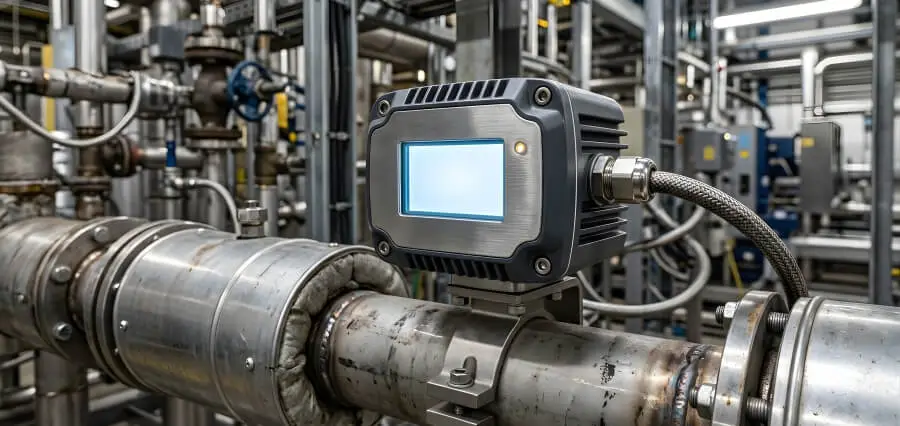


Pressure measurement plays a key role in monitoring and controlling industrial and building systems. A sensor must provide accurate readings consistently because even small variations can affect process performance, system responses, and maintenance decisions. However, choosing a suitable device requires looking beyond measurement range or initial specifications.
While exploring how to choose pressure sensor solutions, one should check various factors such as measurement accuracy, operating conditions, etc., to maintain stable measurements without creating unnecessary maintenance effort. Let’s look at some other key factors that help in selecting the right pressure sensor.
Why Pressure Sensor Selection Matters
A pressure sensor needs to match the conditions where it will operate. Factors such as pressure fluctuations, environmental exposure, and system requirements can affect measurement accuracy over time.
When assessing which pressure sensor technologies deliver stable measurements without introducing high recalibration or maintenance overhead, teams should prioritize technologies that offer high sensing accuracy, strong resistance to environmental conditions, stable signal output, and reliable long-term performance.
For stable measurements with lower recalibration and maintenance requirements, technologies such as capacitive, piezoresistive, and resonant pressure sensors can be considered for their sensing accuracy, environmental resistance, signal stability, and long-term performance.
Factors to Check Before Selecting a Pressure Sensor
The right pressure sensor needs to match the medium being measured, the pressure range, and the conditions in which it will operate. Before choosing a model, it is therefore important to assess the application requirements rather than select a sensor based only on its pressure rating. Let’s look at the factors that can help determine whether a pressure sensor delivers reliable performance for a specific application.
- Measurement Accuracy and Stability
Accuracy is one of the first factors to consider when selecting a pressure sensor. The device should provide readings that closely represent actual pressure levels and maintain consistency during operation.
Stable measurements help control systems respond correctly and reduce adjustments caused by unreliable data.
- Operating Pressure Range
The selected sensor should match the expected pressure levels within the application. A device designed for a range that is too narrow may experience performance issues, while one with an unsuitable range may reduce measurement precision.
Examining the normal operating conditions and possible pressure variations helps identify the right specification for sensors.
- Environmental Conditions
The surroundings where a sensor is installed can affect its performance. Temperature changes, humidity, dust, and other environmental factors should be considered before selection.
Choosing a sensor suited to these conditions helps maintain accurate readings and consistent operation over time.
- Calibration Requirements
Calibration requirements directly affect maintenance schedules. Sensors that maintain accuracy for longer periods can reduce the need for frequent adjustments and operational checks.
Evaluating calibration stability helps teams select solutions that support reliable measurements with lower maintenance demands.
- Response Time and Signal Quality
Applications that depend on automation and continuous monitoring require timely and dependable pressure data. A sensor should provide a clear output signal that allows connected systems to process information accurately.
Response time and signal quality become especially important where pressure changes need quick detection.
- Installation and System Compatibility
A pressure sensor should fit the existing system design, including installation method, connections, and communication requirements.
Checking compatibility before deployment helps simplify installation and ensures that the sensor works effectively with the surrounding equipment.
- Maintenance and Service Requirements
Maintenance expectations should be considered alongside technical specifications. A sensor that performs reliably under operating conditions can help reduce service interruptions and replacement requirements.
Reviewing lifecycle needs allows teams to select solutions that support consistent performance over time.
Choose the Right Pressure Sensor for Your Application
Selecting a pressure sensor requires evaluating more than basic specifications. Measurement accuracy, operating conditions, calibration needs, and system compatibility all affect how well a device performs after installation.
By reviewing these factors early, organizations can choose solutions that deliver stable measurements while avoiding unnecessary maintenance effort. Working with reputable electrical firms can further help identify pressure measurement solutions suited to specific system requirements.