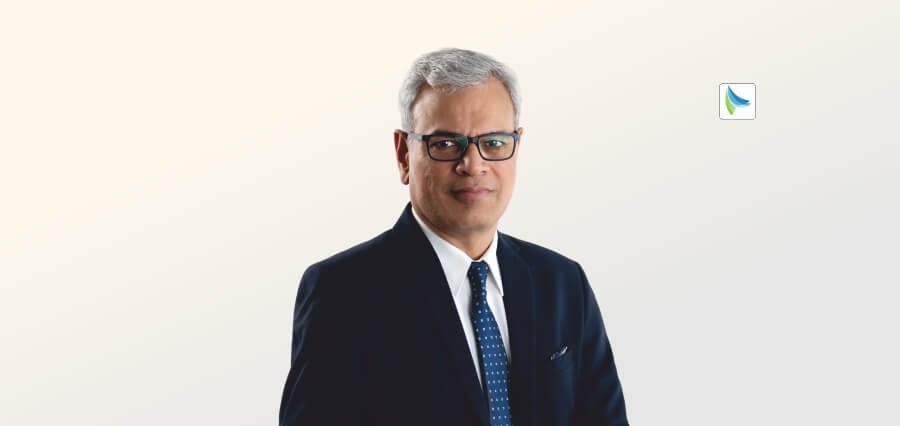




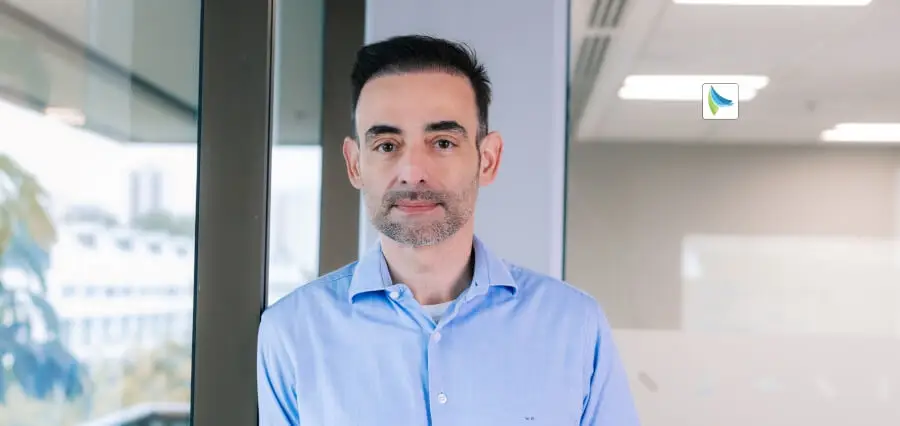
Running a retail operation at scale is one of the most demanding tests of leadership. The gap between what a strategy says and what actually happens across thousands of locations, every single day, is where most organizations quietly lose ground. Closing that gap takes more than systems and processes. It takes leaders who stay close to the frontline and never stop asking whether the customer experience is actually being delivered. Walter Borghi, COO of Grupo DPSP, leads from exactly that conviction. His approach brings together operational discipline, frontline presence and a genuine focus on the customer experience across one of Brazil’s largest retail pharmacy networks.
Leadership Shaped by Disruption and Transformation
The moments that most influenced Walter’s way of operating were periods of disruption and transformation. During his time at C&A, he learned to balance different interests between retail and banking while developing the ability to influence people with different perspectives toward the same objective. As he moved through MMartan and Artex, he structured operations and created a performance evaluation tool that allowed indicators from different areas to be monitored and compared while identifying best practices.
At JHSF, one of the main milestones was the integration of the shopping center business with different developments under the concept of “city,” connecting retail, gastronomy, entertainment, hospitality, residential, and office spaces. The pandemic reinforced this vision and showed that shopping centers would need to stop being only shopping spaces and become destinations for experience and convenience. From there, gastronomy and entertainment were expanded, investments were made in experiences, and new operations were introduced, anticipating a transformation that became a trend in the sector.
This experience also became something he brought into the pharmaceutical industry. Although the scenario and industry are different, the customer journey and experience remain important elements that need to be brought into the industry and transformed.
Creating Perspective in Complex Operations
Operational challenges can range from interest rates and unemployment to a company going through difficulties or being acquired, sold, or merged. For Walter, the biggest challenge when facing any problem is understanding where to start. His approach is to step away from the problem and look at it from a distance.
This allows an operations leader to see the impacts of different difficulties and create a list of priorities. Once the highest priority is identified, the operation can begin addressing it. For him, this ability to create distance from a problem is an important virtue in operations because there will always be a series of difficulties taking place at the same time. Walter believes that, “Difficulties will always come up, and it is very important to establish what our priorities are and how we preserve what is most important to the business.”
Turning Strategy into Execution
For Walter, “Operational excellence is about turning strategy into execution.” It is not only about creativity. It is about ensuring the complete customer journey in the best possible way. There is no perfect journey and no perfect operation in retail. What exists is the daily and endless pursuit of the best.
Operational excellence is achieved when the strategy held by vice presidents, directors, managers, the president, and partners becomes something customers can perceive. When customers increase their average ticket, increase their frequency, prefer to buy from the company, and engage with it, the strategy has been translated into the customer experience.
Every stage of the customer journey needs to work in the best possible way. Problems need to be anticipated and plans created so that the experience is not interrupted. In an operation with many stores, this means turning strategy into simple and practical actions at the frontline and ensuring that what the company defines actually happens every day. When strategy turns into execution and execution generates a good customer experience, the result becomes repeat business, loyalty, and results.
Staying Connected Across 1,700 Stores
Managing an operation that is large-scale, spread out, and decentralized creates a complex challenge. With 1,700 stores, the question is how to ensure that what happens in each location reflects what the organization would want to happen if it were being managed directly.
For Walter, the answer is to put himself in the shoes of the leader closest to the operation. Understanding what information a manager needs, what guidance is necessary, and what material should be available to a manager or employee at the store level makes it possible to manage distant teams more effectively. This thinking led to the creation of a One Page that managers receive every day with their main indicators.
His own experience as a store manager also helps him maintain empathy with the frontline. Knowing what it is like to manage a store provides a better understanding of the realities faced by store leaders and employees. Walter sets aside one or two days every week to be out in the field, visiting stores across various states. Everything that is said, done, and sent to the stores is something he goes and sees in practice. When a new store is planned, he also visits the location in person most of the time.
Leading by example is equally important. He never asks his team to do anything that he does not do himself. Being available as an operations manager and setting an example of what is expected helps maintain balance across teams, areas, and locations. A good sense of humor also helps in dealing with situations positively and supporting the team.
Applying Technology Where It Creates Value
Walter sees strong potential for AI, automation, and greater productivity across operational processes. These improvements can benefit the health of the company, the development of employees, and the customer journey. However, human processes will continue to be essentially human.
Customer service, product recommendations, and offers require thinking and relationship-building. These activities go beyond what AI can do and require people to build relationships with customers. Within the operation, truck processes, receiving merchandise, checking merchandise, distributing merchandise, and inventory management are areas where AI and automation can quickly create change.
For Walter, manual processes that consume people’s time without requiring them to think about the business or customer should be replaced. Operations that are manual are going to experience a radical change, allowing people to focus on activities where human thinking and relationships remain important.
Giving Purpose to the Customer Journey
A major transformation began with recognizing that the organization did not know exactly what the customer journey was. The network consists of 1,700 stores with more than 24,000 employees in stores alone. Each person had a role, but those roles did not have a purpose connected to the customer.
To address this, PARV was created, standing for Perceive, Attend, Resolve, and Sell. By creating a concept and showing a purpose, employees could understand the touchpoints with customers and use them to transform the company. The program challenged the organization to think about what is important to the customer, even more than what is important to the company.
Thinking about the customer before thinking about anything else improves results through the customer’s results. According to him “PARV provides the path, while the operational role is to ensure that people follow this path.”
Building a Healthy Performance Culture
Walter’s approach to performance culture is supported by the performance evaluation tool that provides a way to assess the best managers and identify the indicators where they perform well. Their achievements can then be highlighted positively and rewarded.
The objective is to create a performance culture without making it rigid. Trophies are presented personally to high performance store managers by directors and regional managers. Walter makes a point of participating in the presentations whenever possible. The approach is different from being task-driven.
The performance management process evaluates stores and people through indicators including quality, regulatory compliance, sales compared with the previous year, sales compared with the target, growth, and other key indicators. For the store, the result is a piece of paper with a ranking. It is almost like gamification of performance, although it is not yet in an app format. This approach allows employees to take responsibility for their results while also wanting to participate in the process.
Strengthening Customer Trust Through People
When Walter enters a new business, he believes in diving in. This approach is connected to the culture being created within the organization, particularly by giving greater protagonism to people in the stores. Store employees are the people who generate trust with customers, making their role central to the operation.
The organization has also given greater protagonism to pharmacists. In two-thirds of the stores, managers are pharmacists, allowing them to be business managers while also bringing a regulatory, care, and health perspective. The reach of the organization is another differentiator. Being present in many places means being close to the customer.
A large portion of the stores already has service rooms providing vaccines and health exams. These services bring the organization closer to people as individuals. For Walter, this represents the great transformation that drugstores will go through and one that has already started through direct connections with customers in the neighborhood, the greater role of pharmacists, services, and quality service.
Rethinking the Store Experience
Customer behavior is changing, with customers increasingly caring less about where they buy and more about receiving products at the best price and under the best conditions. For Walter, this creates a constant challenge because there will always be someone trying to deliver faster or resolve friction faster.
One important challenge for him is transforming the store into a complete experience rather than a place that simply buys and sells. Presence and becoming part of people’s lives are central to this change. The fast growth of online sales creates another operational challenge because delivery is outsourced and the company trusts someone else to perform a role that would otherwise belong to the organization.
For him, improving the quality of the online channel is increasingly important. Today, almost 30% of sales are online. Maintaining warm relationships with consumers is another challenge through post-sale service, understanding whether customers are doing better, sending reminder messages, and building long-term relationships.
Leading Through Customer Touchpoints
Walter’s next phase of leadership is focused on prioritizing the issues that customers prioritize. He says that “Customer touchpoints and friction points provide a clear direction for improvement.” Lack of stock is a friction point. Not having medication is a friction point. A store being closed is a friction point.
His leadership focus is on leading change and transformation so that all customer touchpoints improve. This requires changing the mindset of the stores and the 24,000 employees so that everyone understands that improvement comes from taking care of each customer touchpoint.
The mindset also needs to move toward serving more than simply selling the product. He sees the opportunity to move from a product company to a service company where people want to be there more. This transformation cannot remain limited to operations. Marketing, HR, and other areas also need to think about how the entire company can be influenced to focus on customer experience.
Presence as a Leadership Legacy
For Walter, nothing replaces presence. There is a lot of information and many tools available today, but there is little presence. His approach, particularly in operations, is to stop assuming and be certain.
Being certain requires being where the customer is and physically looking at things. Direct presence provides an understanding of what is actually happening and helps leaders remain connected to the customer and the operation.
This availability is the great legacy Walter would like to leave for the next generation that will eventually take his place. For him, the next phase of leadership is about leading change across the company, changing the mindset from selling a product to serving the customer, and ensuring that every customer touchpoint continues to improve.
His approach brings together presence, customer understanding, frontline execution, employee participation, performance, and operational discipline. The focus remains on being close to the customer, understanding what is happening in the operation, and turning strategy into execution.