



Next Generation Construction
Construction has always been one of the more resistant industries when it comes to change. The fundamentals of how buildings get designed, how projects get managed, and how work gets done on a job site have changed relatively little compared to the transformation that has swept through other major industries over the past two decades. That resistance is beginning to break down. The pressures of rising costs, labor shortages, project complexity, and the growing demand for faster delivery are pushing the construction industry toward a period of genuine construction transformation, one that is reshaping not just the tools being used but the fundamental way the industry thinks about how it operates.
Why the Need for Change Has Become Impossible to Ignore
The construction industry carries a productivity problem that has been building for decades. While manufacturing, logistics, and service industries have used technology to drive significant productivity gains, construction has largely failed to keep pace. Projects run over budget. Timelines slip. Rework from errors caught late in the process consumes resources that should have gone toward completion. And the skilled labor that the industry depends on is becoming harder to find as experienced workers retire and fewer young people enter trades in sufficient numbers to replace them.
Construction transformation is not happening because the industry suddenly decided to modernize. It is happening because the cost of not changing has become too high to absorb. The competitive pressure from clients who want more for less, combined with the operational pressure of managing increasingly complex projects with tighter margins, has created a genuine imperative that the industry is finally beginning to respond to at scale.
Digital Tools and What They Are Changing
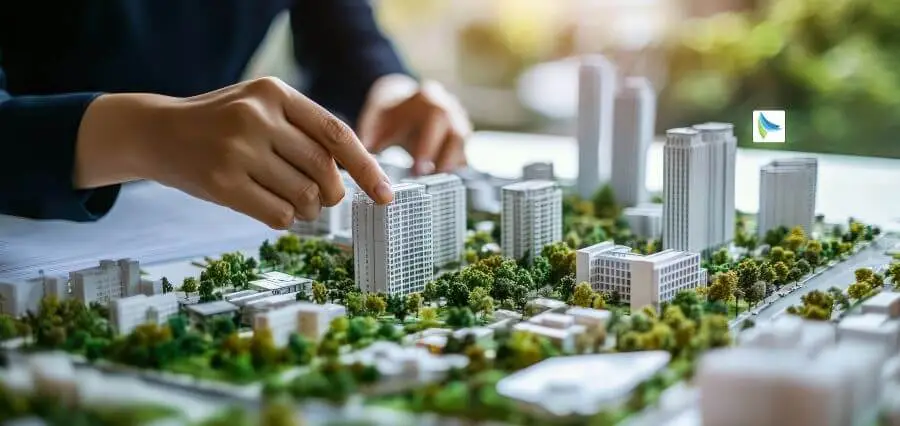
The most visible dimension of construction transformation is the adoption of digital tools that change how projects are designed, planned, and managed. Building information modeling, the practice of creating detailed digital representations of a structure before physical construction begins, has moved from a specialty practice to an increasingly standard expectation on major projects.
The ability to design a building digitally in three dimensions, identify clashes between different building systems before they become expensive field problems, and give every stakeholder access to a single current model of the project changes the quality of coordination that is achievable before the first shovel breaks ground. Problems that once surfaced during construction and required costly rework to resolve can be identified and resolved in the digital environment where fixing them costs time rather than materials and labor.
Project Management in a Connected Environment
Construction transformation is changing not just how buildings get designed but how the process of delivering them gets managed. Digital project management platforms that connect field teams, office staff, subcontractors, and clients within a single information environment are replacing the fragmented communication systems, phone calls, emails, and paper documents that have historically made construction project management reactive rather than proactive.
When everyone involved in a project has access to current information, current drawings, current schedules, and current issue logs, the time and miscommunication that comes from working from outdated information decreases. Issues get flagged and resolved faster. Changes get communicated to the people affected by them before those people are already working from the wrong version of the plan. The project runs with more coordination and less friction than the traditional approach typically produces.
The Job Site Is Changing Too
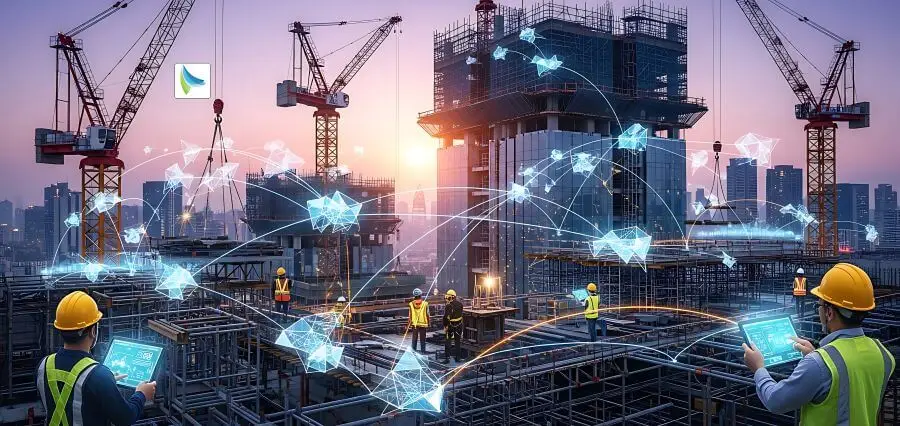
Construction transformation is not confined to the office. It is reaching the job site itself. Mobile technology that gives field workers access to current drawings, inspection checklists, and quality documentation directly from the work location has changed how information flows between the field and the office. Issues identified on site can be documented, photographed, and communicated instantly rather than waiting for an end-of-day report that nobody has time to read thoroughly.
Drones and site scanning technology are changing how project progress gets monitored, providing aerial visibility into site conditions and allowing progress to be tracked against the construction model with a frequency and accuracy that human inspection alone could not practically achieve. The job site is becoming a place where data is collected continuously rather than occasionally, and where that data informs decisions in real time rather than after the fact.
Building the Industry That the Future Requires
The construction industry of the next decade will look meaningfully different from the one that exists today, not because change has been easy or universally welcomed but because the pressures driving construction transformation are real and will not diminish. Firms that engage seriously with this transformation, that build the digital capability and the operational discipline that the new environment requires, are positioning themselves to lead rather than follow as the industry continues to evolve.
The built environment that future generations will live and work within is being shaped by the choices being made in construction boardrooms and on job sites right now. Making those choices with genuine ambition for what this industry can become is what next-generation construction looks like.