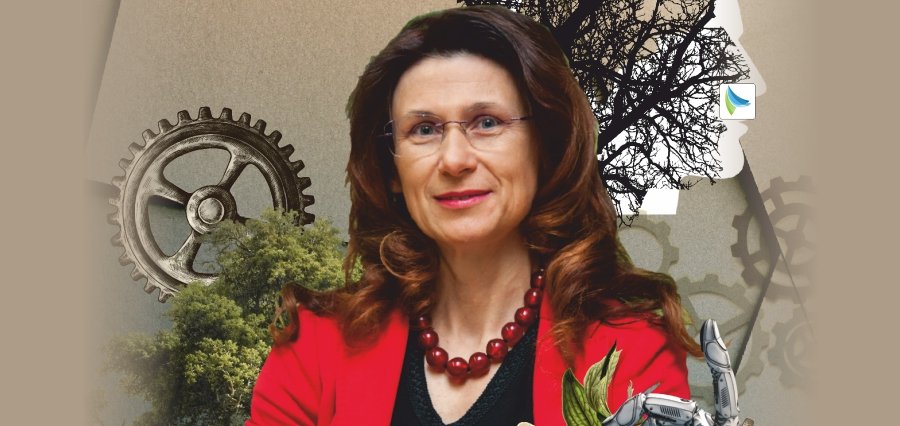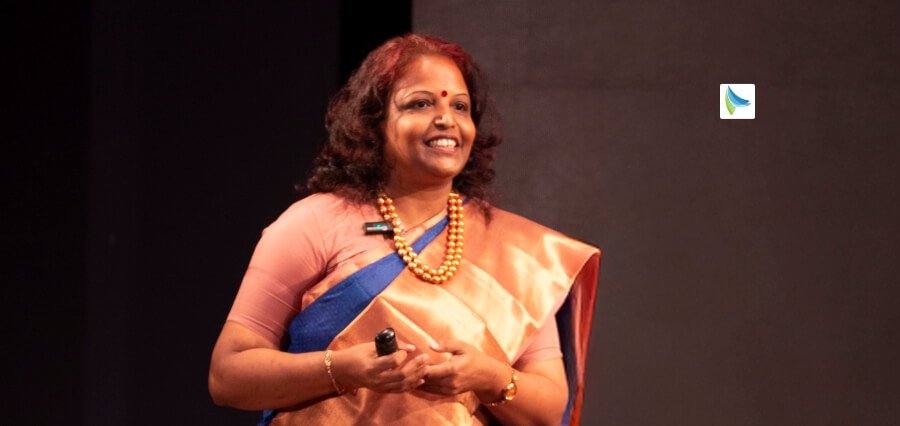




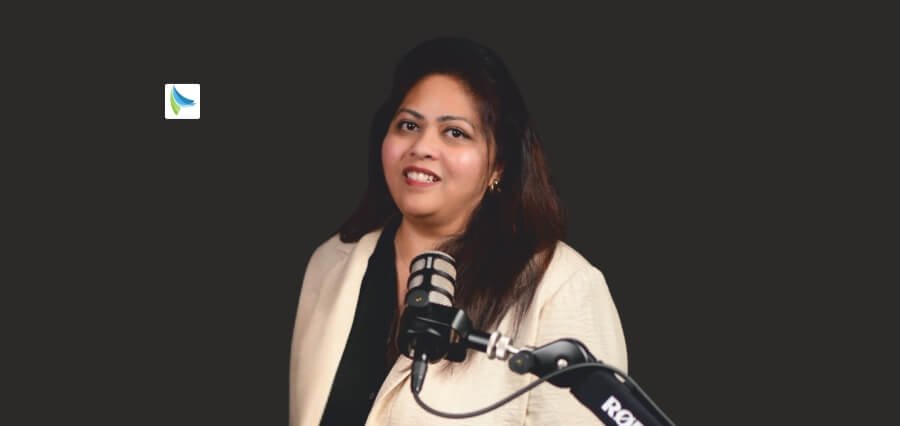
Explaining the concept of modern education, Dr Bobby Rao, Founder and Director of Top Career Guide, quotes Alvin Toffler. “The illiterate of the 21st century will not be those who cannot read and write, but those who cannot learn, unlearn, and relearn.”
Elaborating on it further, Dr Bobby spoke in an exclusive interview with Insights Success, the highlights of which are given ahead.
Ma’am, what made you decide to become a leader in your field and focus on creating new growth opportunities?
During my journey (that began in dentistry) of 17 years, my first role was as a tutor, balancing academia and clinical practice for six years. And there I realized my true passion: teaching, mentoring, and giving back through education.
Even after moving to the UAE, I continued to teach, eventually becoming a certified Vedic Math tutor, earning an MBA in Educational Counselling, along with certifications from UCLA and others. This structured learning led to the founding of Top Career Guide. Leadership is about creating a platform that enables growth, clarity, and confidence, not just for individuals but for the broader educational ecosystem.
What are the biggest challenges your industry faces, and how have you worked to overcome them?
I see three critical challenges:
~Misinformation: Parents overwhelmed by outdated advice, still clinging to traditional routes like medicine or engineering. To counter this, Top Career Guide provides end-to-end, data-driven support, beginning with psychometric assessments and detailed parent sessions to give a realistic perspective.
~Lack of Emotional Connection: Too many students feel “processed.” We choose a more human approach, ensuring empathy forms the heart of our process, making every student feel supported, not pressured.
~Absence of Actionable Guidance ‘The missing how’: Unlike most counsellors, we provide complete implementation support, connecting students with global opportunities for research, internships, and mentorship through strong international partnerships.
What keeps you motivated to come up with new ideas, even when times are difficult?
My biggest motivation mantra is impact—the ability to create change that helps someone move closer to their dream. I treat challenges not as setbacks but as learning phases that push me to upskill and think differently.
Innovation is “doing familiar things with greater meaning, clarity, and impact.” When I see a student find direction or a parent find relief, that is the outcome that inspires me. My core belief is simple: growth begins the moment you decide to keep learning.
How do you approach taking risks when you’re trying something completely new or different?
In counselling, I see “risk” as a challenge worth exploring. It is not about investments, but about innovation, personalization, and adaptability, especially when working with interdisciplinary students.
We don’t stop at theoretical advice; we build bridges by connecting students with customized internships and research projects that reflect their multiple interests. This process is complex but rewarding. For me, taking on new challenges isn’t just about risk—it’s about vision. It is “about having the courage to create opportunities where others see obstacles.”
What does “innovation” mean to you personally, beyond business success?
Innovation means redefining relevance—courage to question the usual, explore what others overlook, and give something ordinary an extraordinary purpose.
In education, innovation is fundamentally about personalization—understanding that every student learns, dreams, and grows differently. It lies in creating pathways that are as unique as the individuals we guide, combining technology with empathy. Beyond business success, innovation is a deeply personal mindset that reflects a commitment to continuous evolution and curiosity.
What personal habits or routines help you stay focused and creative as a leader?
Focus is built on discipline, balance, and purpose. I constantly remind myself of my values and remain open to learning. It is humanly impossible to know everything, so I value the willingness to admit, learn, and upskill.
As part of Generation X, I make a conscious effort to enroll in leadership programs, AI workshops, and global summits to bridge the generational gap in learning. My Taurian persistence ensures I master new skills once committed. I also find inspiration in connection—engaging with fellow educators and entrepreneurs to spark new ideas and broaden my vision.
How do you balance short-term challenges with your long-term vision for your industry?
I treat short-term challenges as stepping stones rather than setbacks; they are temporary checkpoints. I respond to daily dynamics (policy shifts, new tech) with clarity and consistency, not impulsivity.
The long-term vision—making career guidance accessible, personalized, and globally relevant—is constant. I ensure that short-term actions, like new partnerships or technology integration, are directly aligned with that broader vision. Balance comes from perspective: understanding that while we can’t control circumstances, we can control our response.
What advice would you give to young leaders who want to make a real difference in the world?
If you haven’t found your passion, explore until you do. Once found, mind-map your vision and start working toward it step-by-step. Before setting goals, listen, learn, and absorb the struggles of others. Be your own best critic: prepare multiple solutions and backup plans, as ‘Preparation gives confidence, and confidence brings clarity.’
Walk with humility. ‘Be good to people when you rise in life, because you may meet them again on your way back.’ Stay grounded, patient, and kind. Remember: ‘Your eyes do not see what your mind does not know.’ Keep learning and evolving.
For more information, call +971506958740.