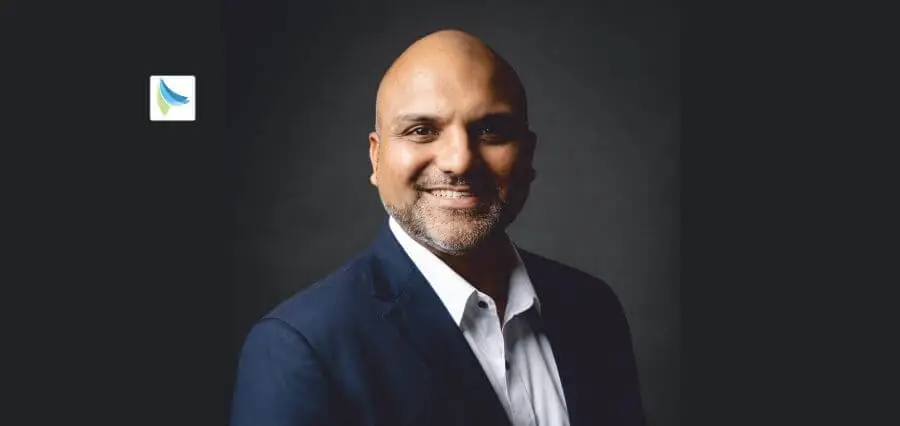




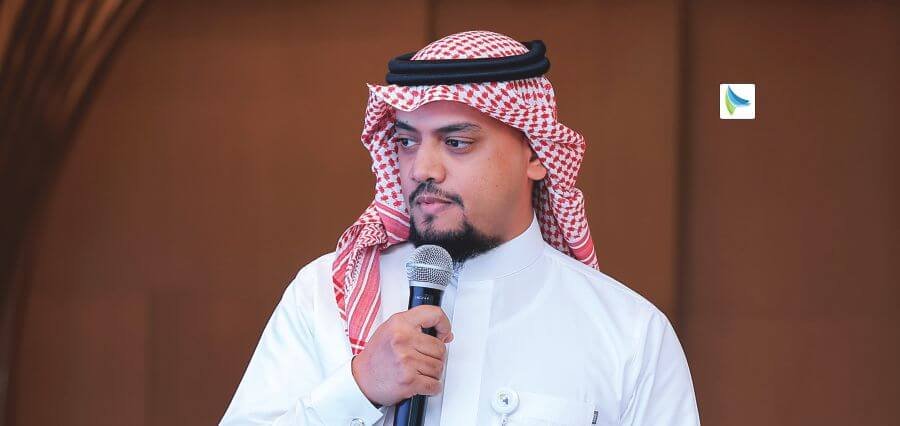
Walk into any financial institution that has recently survived a failed technology rollout, and the damage is rarely contained to the IT floor. A product that missed its launch window because the platform was not ready. A compliance gap that surfaced during an audit nobody saw coming. A customer’s experience so fragmented that retention numbers told the story before anyone wanted to admit it. These are not hypothetical scenarios. They are the recurring consequences of technology decisions made without enough connection to the business they were supposed to serve. Shadi Kalthoom, Chief Technology Officer at Osoul Modern Finance, has spent his career building something different.
At Osoul Modern, a Saudi financial institution operating in consumer finance and leasing, Shadi Kalthoom brings to the CTO role a philosophy that most technology leaders articulate but few consistently practice that technology is not a support function waiting to be told what to build, but a strategic force capable of shaping what the organization becomes. His career reflects that conviction across every level of the function, from infrastructure and governance to commercial strategy and talent development. The organizations he has worked within have not simply adopted technology under his leadership. They have been changed by it, in ways that show up in the numbers, in the culture, and in the confidence of the teams around him.
Beyond the Traditional Technology Framework
Ask Shadi Kalthoom how he defines his role at Osoul Modern, and he does not reach for technical language. He reaches for something more operationally grounded: catalyst for transformation. His responsibility, as he frames it, is to drive change, optimize processes, and influence the organization through strategic initiatives that improve efficiency, support business objectives, and create lasting value. The word that matters in that description is influence. A CTO who operates only within the boundaries of the IT function can manage technology well. A CTO who influences the organization shapes what it can become.
That influence at Osoul Modern is structured through a formal governance framework that most technology functions aspire to, but few actually build. Technology initiatives are reviewed regularly by the Steering Management Committee and the Board of Directors. Projects are prioritized based on business criticality, with regulatory and compliance requirements receiving the highest priority in the queue. This structure ensures that technology investment is not driven by internal technology preferences or vendor relationships, but by what the organization needs to grow, comply, and compete.
He reflects, “When technology is aligned with business objectives and executed with discipline, it becomes a scalable foundation for sustainable growth.”
That alignment is not achieved through a single strategic planning exercise. It is maintained continuously, through the kind of structured dialogue between technology leadership and the C-suite, that the organization’s governance model has been built to support.
Making Technology a Business Multiplier
One of the most persistent and costly misconceptions in corporate management is the treatment of technology as a cost center. Shadi Kalthoom is direct about this. Technology should be recognized as a business multiplier, and business units naturally embrace it when they clearly see its impact on their objectives. The real value lies in what the data and systems generate: operational reports, performance analytics, forecasting tools, and the kind of data-driven decision making that allows leaders to act on evidence rather than intuition.
A specific example illustrates how this principle operates in practice at Osoul Modern. The company’s lending platform was declining for certain customers because a particular business scenario fell outside the system’s existing functionality. These were not unqualified customers. They represented viable business opportunities that were being turned away because the technology had not been designed to accommodate them.
Rather than accepting the limitations and moving on, Shadi’s team analyzed historical data to identify all the customers who had been affected. They worked with the Sales team to establish an alternative process and then proactively reconnected with those customers once the solution was in place. The initiative recovered previously missed business opportunities, improved customer experience for a segment that had been poorly served and generated additional revenue for Osoul. It also demonstrated something considerably more important than the revenue figure itself: that technology and data, used strategically rather than passively, can unlock commercial value that the organization did not know it was leaving behind.
He states, “The real value of technology lies in the insights it generates through operational reports, performance analytics, forecasting, and data driven decision making.”
Digital Transformation Begins with People
One of the most consistent themes in how Shadi Kalthoom thinks about digital transformation is the primacy of people over platforms. Transformation begins with people before it begins with technology. The tools are available. The question is always whether the people using them have the mindset, ownership, and the confidence to use them well.
He encourages his team to take ownership and initiative rather than relying on external vendors for solutions that should be built internally. True innovation, in his view, comes from building internal capabilities and confidence. When teams develop the ability to solve problems from within, the organization becomes genuinely agile rather than dependent on a rotating cast of external partners who know the tools but do not know the business.
An illustration of this philosophy in action was the decision to develop a business intelligence dashboard internally rather than procuring an external solution. The initiative required significant commitment from the team, but it delivered something an off-the-shelf product could not have provided: greater flexibility, deeper alignment with the specific business context, and complete ownership of the solution. Today it supports management with timely reporting and data-driven decision making, and it has strengthened the internal capability of the technology function in ways that continue to compound.
He notes, “I encourage my team to take ownership and initiative rather than relying solely on external vendors, as true innovation comes from building internal capabilities and confidence.”
The Microsoft 365 Achievement That Set a Benchmark
In 2024, Shadi Kalthoom led a project that became a landmark for digital transformation in Saudi Arabia’s financial services sector. Osoul Modern became the first Saudi financial institution to implement Microsoft 365, and the challenge was not simply a technical one. It was a regulatory one. Operating under the oversight of the Saudi Central Bank, the organization needed to leverage the collaboration and productivity capabilities of Microsoft 365 and Teams while ensuring that no data was stored in external cloud services outside Saudi Arabia.
The solution was a secure hybrid architecture with innovative controls that maintained full compliance with SAMA regulations and data residency requirements. The project successfully demonstrated that financial institutions in the Kingdom could adopt modern collaboration technologies without compromising data sovereignty or regulatory standing. It has since become a benchmark for how secure digital transformation can be executed in the Saudi financial sector, and the Global CIO Project of the Year 2024 award recognized both the technical achievement and the governance discipline it required.
The project is characteristic of how Shadi Kalthoom approaches technology decisions across the board: focus on the business objective first, identify the technology that creates the greatest long-term value, and build the governance and compliance framework around it from the beginning rather than as an afterthought.
Infrastructure Built for the Future
Modernizing technology infrastructure in a regulated financial institution requires more than technical ambition. It requires the collaboration of functions that have traditionally operated at arm length from the IT department. At Osoul Modern, Shadi Kalthoomworks closely with Cybersecurity, Internal Audit, Compliance, Risk Management, and other governance functions to ensure that the technology environment is secure, resilient, and aligned with both regulatory requirements and industry best practices.
The infrastructure modernization strategy includes investment in cloud computing and virtualization technologies that optimize infrastructure utilization and improve scalability, digital collaboration tools that reduce unnecessary travel and increase workforce flexibility, and automation and digitization initiatives that reduce paper-based operations and improve process efficiency. These are not pursued in isolation. They are part of a structured technology roadmap that is reviewed regularly against business priorities, regulatory expectations, and emerging market demands.
He affirms, “Building a resilient and future ready technology foundation requires close collaboration across the organization.”
That collaboration is the difference between a technology function that builds things that work in isolation and one that builds things that hold up under the scrutiny of audit, compliance, and the board. It is also, in Shadi’s assessment, how the technology function earns the institutional trust it needs to take on larger and more strategically significant initiatives over time.
Talent Strategy for a Rapidly Changing Landscape
The demand for technology talent in financial services is fierce, and the half-life of any specific technical skill continues to compress. Shadi’s approach to building a future-ready technology team reflects the same strategic flexibility he applies to every other aspect of the function. The organization needs to identify the capabilities required to achieve its strategic objectives and then ensure those capabilities are available through the most effective combination of approaches.
At Osoul, this means attracting professionals with specialized expertise while also empowering existing team members to expand their capabilities and take on new challenges. It means being willing to engage external experts through strategic partnerships when the business needs it and treating those partnerships as genuine knowledge-sharing opportunities rather than transactional arrangements. The objective is an agile, future-ready technology function that can access the right capabilities at the right time without becoming dependent on any single source of expertise.
The same principle applies to innovation. His philosophy is one of continuous iterations rather than periodic breakthroughs. Innovation should not be treated as a separate objective or a special initiative. It should be a mindset embedded in everyday work, visible in process optimization decisions, in better use of data, in improved customer experiences, and in smarter technology adoption across the organization.
A Five-Year Horizon
When Shadi Kalthoom considers the next five years in financial services, he sees an industry continuing to shift toward more digital, data-driven, and customer-centric solutions at a pace that will reward organizations with both the strategic clarity and the operational discipline to execute. Changing customer expectations, digital innovation, and increasing market competition are all accelerating simultaneously, and the institutions positioned to lead that change are those that have already built the foundations.
On artificial intelligence specifically, his approach is characteristically measured. He sees it as an opportunity rather than a threat, and he is committed to identifying practical, controlled ways to leverage its capabilities as the appropriate governance and regulatory frameworks develop. That balance between embracing emerging technology and maintaining the compliance discipline that financial services demands is, in many ways, the defining challenge of the modern financial services CTO, and it is one that Shadi Kalthoom has demonstrated, through the Microsoft 365 achievement and through every other strategic decision he has made at Osoul Modern, that he is genuinely equipped to navigate.
He says, “Strategic technology decisions are successful when they deliver measurable business value and leave the organization stronger than before.”
At Osoul Modern Finance, that standard is not aspirational. It is operational, applied to every initiative, every decision, and every investment the technology function makes on behalf of the business it exists to serve.