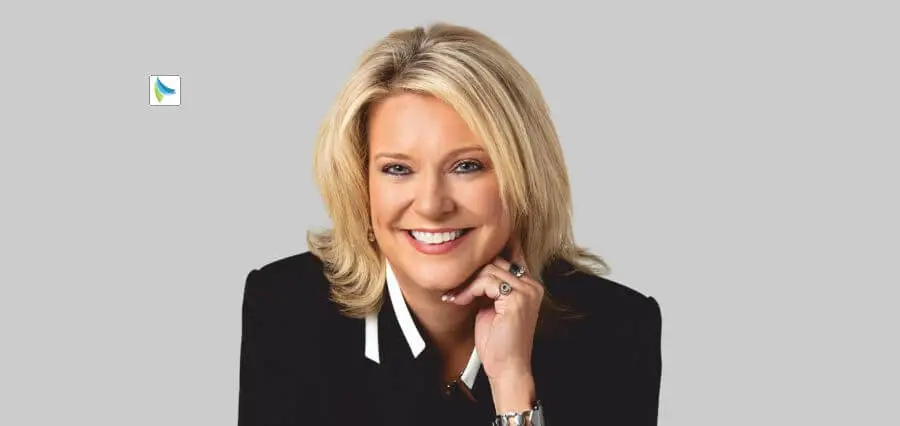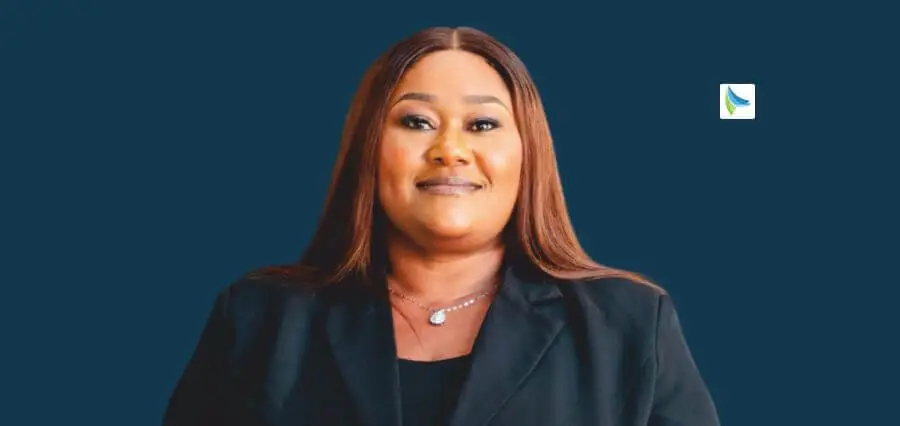




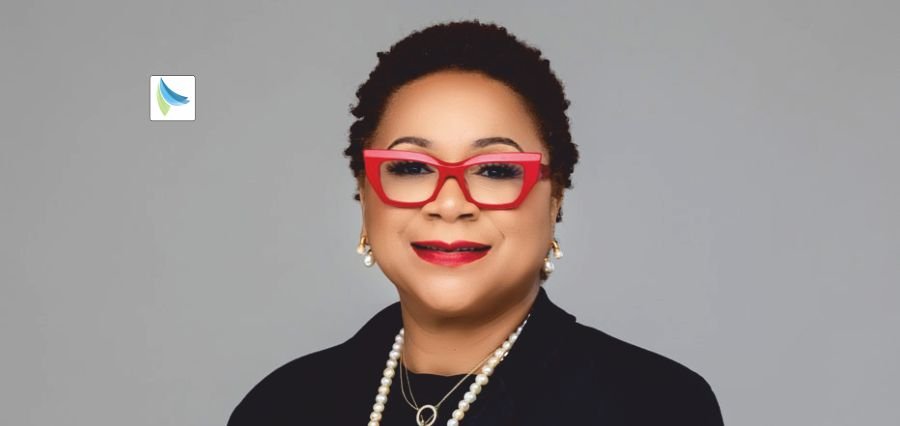
She was eleven years old when the Queen of England told her she was the most beautiful little girl she had ever seen. Standing there in the Bahamas, roses in hand, young Felicia-Antoinette Knowles absorbed that moment, not as a fairy tale, but as confirmation of something she already sensed about herself: that she belonged in rooms others might not expect her to enter. Decades later, that quiet confidence still defines her. Today, Felicia is the founder and principal broker of Life Line Insurance Agents & Brokers Company Ltd., a force in the Bahamian insurance sector, a former President of the Bahamas Insurance Brokers Association, and one of the most tenacious advocates the industry has ever seen.
She has spent her career doing what few in her field have dared to do: treating every client not as a transaction, but as a responsibility. But to understand where she stands today, you have to go back to where it all began.
From Saturday Hair Braider to All-American Scholar
Felicia grew up as the third of six children, with five sisters and one brother to whom she was especially close. Her family was lower middle class, supported solely by her mother, a shrewd observer and strong provider who raised her children largely on her own. She stood out from early on: red hair, freckles, and a sweater worn regardless of the weather. She often felt like an outsider, excluded from the sleepovers and special trips her sisters enjoyed. But her mother refused to let her feel diminished. She gifted her a book called “My Everything Book,” a gesture that sparked her imagination and fuelled a lifelong thirst for knowledge.
To fund her books and her education, Felicia found her own way. Her brother made her a mop-head doll, and using it as her practice tool, she taught herself to braid hair and became the neighbourhood’s Saturday stylist at five dollars a head. Her first paid job came at age twelve, working at House of Values. School, however, presented its own battles. She was held back in elementary for being “too young” and placed in a lower stream in junior high, where bullying followed. Her mother’s response was to fill her with affirmations, including a shirt that read “I’m Perfect.” She recalls, “My mother explained that the bullying was jealousy in disguise, and that encouragement changed everything for me.”
She found her outlet in sport, excelling in basketball and netball, earning multiple gold medals and representing her country on the national netball and basketball teams. She went on to earn a Bachelor’s degree in Business from Barber Scotia College and an MBA from Nova Southeastern University, receiving national recognition in debates, named an All-American Scholar and Dean’s List honouree, and graduating top of her class in Business. The girl who braided hair on Saturdays to buy books had built herself into a formidable force.
Building Lifeline: Where Advocacy Meets Insurance
Felicia’s path into insurance did not begin with a business plan. It began with a conviction. At eighteen, she joined ALICO and discovered that insurance, done right, is one of the most powerful tools available to ordinary families. She learned that it was not just a policy but a vital tool for safeguarding wealth and ensuring fairness for future generations, protecting families during difficult times and supporting children’s education through dividends. That insight anchored everything that followed.
Her career took detours through leadership roles across petroleum, retail, wholesale, spirits and beverages, and restaurant management, with each role deepening her understanding of how performance, processes, and people intersect. But it was in the liquor industry that a defining turning point arrived. Felicia became increasingly aware of the social and medical impacts alcohol was having on communities. She tried to implement social programmes and give back, but resistance from leadership made it impossible to effect change. She realised she needed a profession where making a direct and positive impact was the mission itself, not a battle to be fought.
She moved into health insurance and immediately identified a critical gap: only about 30% of the Bahamian population held medical insurance. She repositioned herself from policy-seller to educator and advocate, sitting with clients through claims, benefit verifications, and life-changing events. Felicia explains, “I shifted my focus from simply selling policies to educating clients and advocating for them. That client-first approach sometimes put me at odds with executives, but it fuelled my passion for advocacy and transparency.”
After a challenging partnership with a broker who undervalued her contributions, she took the leap. Life Line Insurance Agents & Brokers Company Ltd. was founded on a clear premise: the firm would be more than brokers and agents. It would serve as advocates who support clients from the initial prospecting stage through claims and life-changing events, working closely with insurance carriers, healthcare providers, families, and employers.
Today, Life Line offers health, life, business, home, and vehicle insurance, and is currently focused on increasing pension plan participation in the Bahamas, where less than 20% of the population holds such plans, with a goal to grow that figure by 10% annually.
Patience, Transparency, and the Long Game
Breaking into a male-dominated, entrenched industry that resisted both women and change required a particular kind of discipline. Felicia chose patience over confrontation and transparency over political manoeuvring. She shared knowledge, created opportunities, and fostered teamwork, gradually shifting attitudes and expanding access to insurance products across the Bahamas. She explains, “Instead of direct confrontation, I relied on patience, transparency, and a values-driven approach. By sharing knowledge and creating opportunities, I gradually shifted attitudes and expanded access to insurance products in the Bahamas.”
That approach carried her to the presidency of the Bahamas Insurance Brokers Association (BIBA), where she served from 2012 to 2016, championing policies like VAT integration to protect intermediaries and contributing to shaping national health insurance regulations. She expanded community engagement through youth programmes and climate change forums. She went on to serve as Executive Secretary of the Bahamas Insurance Association (BIA) from 2017 to 2021, Vice Chair from 2019 to 2024, and chaired its Education Committee from 2017 to 2024. In 2019, she was named among the Top 25 Women in Business in the Bahamas.
When COVID-19 arrived in March 2020, Felicia moved early. Having prepared her staff for continuity in the event of hurricanes, she was well-positioned to adapt. She proactively communicated with all her clients, providing information, hypothetical scenarios, and practical solutions before the country’s shutdown. She participated in the industry task committee, liaising with government officials and emergency planners, keeping clients informed about their positions, advantages, and challenges throughout the crisis. Her proactive approach spread by word of mouth, attracting new clients and strengthening existing relationships. Her business did not just survive the pandemic. It grew.
The Passion That Will Not Quit
Ask Felicia what drives her and the answer is rooted in purpose. Her passion for insurance began at age eighteen when she joined ALICO and helped establish a life insurance market that protects families during difficult times. Over the years, while working in leadership roles across multiple industries, her commitment to insurance never wavered. It was while working in the spirits industry that she realised understanding risk and security is essential for national resilience, and that renewed her commitment to expanding access to financial security for Bahamians.
There have been times, she says, where listening to her instincts and acting promptly has saved lives, reinforcing her dedication to the profession. Felicia says, “I believe protecting what matters is an investment, not an expense. Insurance provides clarity, peace of mind, and protection for families, businesses, and communities facing uncertainty.”
Her approach to balance is honest. She does not take traditional vacations because she worries about clients needing assistance when she is unavailable. Instead, she trains her team to be as capable and responsive as she is, so clients can rely on them in her absence. Family plays a central role in both her life and her business. They work together, support each other, and find time to connect and celebrate when it truly matters. She freely admits her greatest weakness is the difficulty of switching off from work, something that sometimes affects her work-life balance, a trade-off she accepts as part of who she is.
What She Tells the Next Generation
Felicia’s advice to aspiring leaders carries the texture of lived experience. Be intentional and passionate, she says, because loving what you do transforms your work into a testimony that inspires others. Commit to continuous learning: read widely, challenge yourself, and push beyond your comfort zone. Keep your goals private to avoid unnecessary hurdles from others’ opinions. Treat the word “no” not as a verdict but as a signal that your approach needs refinement or better communication, and come back stronger each time. Be honest with yourself and those who support you. Reward yourself and your team, and always give back to your community without seeking recognition.
Her personal motivators are deliberate and specific: the song “A Who She Me Dun (Wake De Man)” by Cutty Ranks, the poem “Ego Tripping” by Nikki Giovanni, the film “Secretariat,” and the mantra “Go hard or go home.” Her faith sustains her, reminding her that she has come too far to give up now. Felicia affirms, “Not achieving your goal immediately is not failure. It is an opportunity to learn and improve. Persistence is key. Come back stronger each time, whether through action or silent determination.” For the families still uninsured, the workers without pension plans, and the communities still financially exposed, she is not simply selling a product. She is making a persistent, principled case for a more secure Bahamas, one client and one conversation at a time.