




Every product you have ever bought arrived in a box. You probably never gave it a second thought, and for a long time, the people running packaging companies were perfectly fine with that. The industry didn’t need attention. It needed orders, and for decades, those kept coming.
Then e-commerce arrived and completely changed the math. The volume of boxes moving through the economy became a pressure test, exposing which companies had built real operations and which had simply been coasting on steady demand. Customers who once accepted two-week lead times started expecting two days. The cardboard box became a competitive battleground.
The companies that came out ahead were run by people who understood their business at a granular level, who had spent enough years on the floor to know where the problems actually lived, and who didn’t need a consultant to tell them where to cut or where to invest.
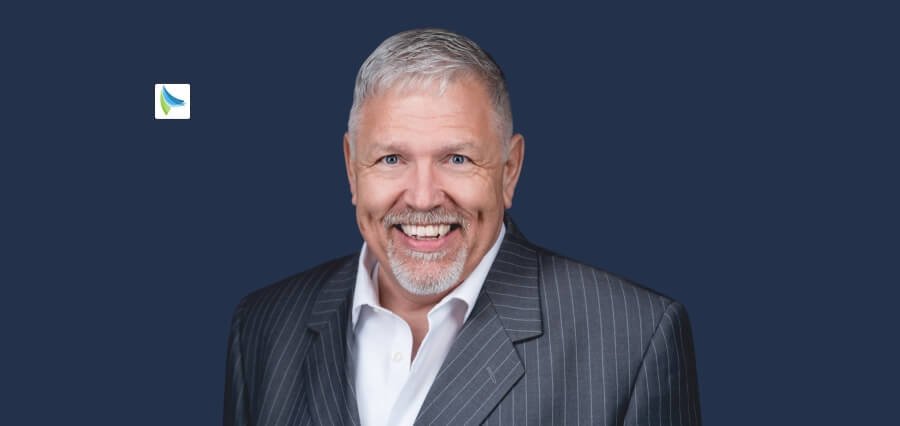
Paul Centenari, CEO of Atlas Container Corporation, built his career on exactly that kind of operational clarity. Nearly four decades later, Atlas generates over $100 million in revenue, earned through discipline, good people, and a refusal to overcomplicate what works.
Let’s learn how Paul’s insights, decisions, and leadership shaped both a business and the people within it!
A Path That Was Never Linear
Paul Centenari career didn’t start in manufacturing. After graduating from Dartmouth, he joined Procter and Gamble, where he spent three years selling soap to supermarkets. This experience helped him understand sales and how to build strong customer relationships. He later moved into sales management, where he began developing leadership skills early in his career.
Wanting to grow further, he pursued an MBA at Harvard Business School after about a year and a half in management. There, he strengthened his thinking around business strategy and analysis. After completing his degree, he entered investment banking, gaining valuable financial experience, though he felt something was missing.
That shift came when he chose to leave finance behind. As he puts it, “Then we decided we wanted to do something else—get a real job and make something.” That decision to build something tangible became the starting point for everything that followed.
The Search That Defined a Career
The idea that started it all was based on a concept called a search fund. It is a simple but structured approach where you raise money, find a company to buy, and then grow it over time. As he explains, “Fundamentally, it’s where you find people to invest in the search for a company, with the promise that they can convert that investment into equity and also buy more equity.”
With this plan, he and his partner began a long and determined search. They contacted around 450 box companies, reaching out through calls and letters. It took patience and persistence. Out of all those companies, only a few dozen were willing to talk, and just five showed real interest.
In the end, they found the right fit, a sheet plant in Baltimore with about $5.5 million in sales. They bought the business and moved there to run it, even though they had no experience in the industry. Over time, they grew it into a company generating more than $100 million in revenue, showing the impact of steady effort and strong execution.
Choosing the Right Industry
The decision to enter the box business was very intentional. They were looking for an industry that was low-tech, used unskilled labor, and was not well managed or marketed. The idea was to find a business where simple improvements could quickly make a difference.
They also wanted a product that was basic and used repeatedly. Boxes were a perfect fit. They are a consumable product that customers need again and again, which creates steady demand and long-term relationships.
Location was another important factor. Instead of going national or global, they focused on a regional business. This made it easier to compete and build strong connections with local customers.
Equally important was financial stability. They looked for companies with no debt and steady cash flow for at least five years. This gave them a cushion, knowing they might make mistakes early on since they had no experience in manufacturing.
Early Risks and Unexpected Support
Starting out was not easy. Despite having no prior experience in the industry, they developed a detailed business plan, investing around 100 hours into its preparation. They presented it to 12 banks in Baltimore, hoping to secure financing for their acquisition.
The response was surprising. Ten of the twelve banks expressed interest in lending to them. It was a testament not only to the strength of their plan but also to the economic climate at the time. Lending conditions were favorable, and opportunities were available for those willing to take risks.
However, one of the most critical decisions they made was retaining the previous owners. Although the agreement was initially set for three years, one stayed for 15 years and the other for 25. Their experience and knowledge were invaluable, providing stability during the transition and helping the new leadership navigate unfamiliar territory.
Building Through Simplicity
Over the years, the company’s growth strategy has remained grounded in simplicity. Rather than chasing complex strategies or trends, the focus has been on consistent execution. As he describes it, “I follow what I call the Vince Lombardi approach—block and tackle, go right up the middle.”
This philosophy emphasizes doing the basics exceptionally well. In the packaging business, that means delivering on time, maintaining quality, and ensuring customer satisfaction. It is not about reinventing the wheel but about ensuring that every part of the operation works seamlessly, every single day.
At the leadership level, his role has evolved into one of continuous improvement. He spends his time identifying opportunities to enhance operations while also focusing on people. Keeping employees engaged and motivated is as important as meeting financial targets. After all, a business can only perform as well as the people behind it.
Leadership Rooted in Consensus
Leadership, for Paul Centenari, is not about authority but alignment. He describes his approach as collaborative, emphasizing the importance of agreement among managers. “I consider myself a consensus leader. I need agreement from the managers; I can’t force things on them.”
This perspective stems from experience. Early attempts at imposing decisions proved ineffective in sustaining change. Over time, he realized that lasting transformation requires belief and buy-in from the team. This involves listening, engaging in discussions, and sometimes taking the longer path to reach a shared understanding.
The approach may take more time, but it builds stronger foundations. When people believe in what they are doing, they are more committed, more innovative, and more resilient in the face of challenges.
Evolving Through Challenges
No long-term success comes without challenges, and this journey has had its share of tough moments. The company faced several near-death experiences, especially during rapid growth through acquisitions.
These periods revealed operational weaknesses. Over eight years, the workforce had grown beyond what was sustainable, and a major reduction became necessary. The process took months of discussion and careful planning.
Reflecting on these experiences, he notes, “Early on, I believed in command and control. Over time, I realized that doesn’t work.” This insight shifted his leadership toward collaboration and understanding.
Another hard decision was closing a business acquired from Weyerhaeuser, which involved letting go of 125 employees. The process took a year and a half, reinforcing the need to stay focused and manage risks carefully.
A Culture Built on Respect
At the core of the organization is a strong focus on culture. The main belief is, “First, we treat people with dignity. No screaming, no disrespect.” This mindset guides how people treat each other across the company.
Feedback is given in a helpful way, with the goal of improving performance rather than criticizing. The company also promotes accountability and openness. Employees regularly review their supervisors, looking at how well they communicate, train, and support their teams.
These reviews matter. In some cases, supervisors have been let go for not treating employees properly. This shows that respect is a must, not a choice.
There are also cross-team reviews, where sales and customer service teams evaluate each other. This helps improve teamwork and understanding. The overall goal is to create a workplace where people feel valued and enjoy coming to work.
Defining Effective Leadership
Understanding what makes a leader effective has been shaped by years of observation and experience. One key insight is that technical skills alone are not enough. Discipline, attitude, and the ability to connect with people play a crucial role.
He notes, “It’s hard to find people who show up, let alone perform well.” This reality underscores the importance of hiring carefully and setting clear expectations. While aptitude tests and vetting processes can help, they cannot replace intrinsic motivation.
Effective leaders, in his view, are those who listen, seek the truth, and balance accountability with empathy. They are respected not because of their position but because of their actions. They support their teams while maintaining high standards, creating an environment where people can succeed.
A Legacy Beyond Business
When reflecting on legacy, the focus extends beyond financial success. It is about the impact on people. The goal is to ensure that employees leave the organization better than when they joined. This includes gaining technical skills, understanding business dynamics, and learning how their roles contribute to the bigger picture.
He hopes that individuals also develop as leaders, learning to manage others with empathy and respect. These lessons, he believes, have lasting value beyond any single job or company.
At the same time, there is a recognition that success matters. A thriving business creates opportunities, stability, and a sense of achievement. It enables growth, rewards effort, and fosters a positive environment.
Adapting to Industry Transformation
The COVID-19 pandemic marked a significant turning point for the packaging industry. Demand surged as e-commerce expanded rapidly. What was once considered a mundane product became essential to everyday life.
He captures this shift succinctly: “Boxes went from ‘you do what?’ to ‘that’s a sexy product.’” The industry experienced substantial growth, with market size increasing from around $30 billion to nearly $50 billion.
This transformation highlighted the importance of adaptability. Companies that could respond quickly to changing demands gained a competitive edge. It also reinforced the relevance of packaging as a critical component of modern commerce.
Looking Ahead with Purpose
As the company continues to grow, the focus stays on strong service and constant improvement. The vision is to become the “Federal Express of the box business,” known for fast and reliable delivery that sets them apart.
There is also a clear interest in using new technologies like AI to improve efficiency and support better decision-making. This shows a balance between staying grounded in core values and looking ahead.
Overall, the journey reflects hard work, adaptability, and a strong focus on people, proving that even a simple product like a box can drive meaningful success.