



Among the dazzling cityscape of Dubai, where hope is in the form of steel and glass, there’s a quieter form of architecture; one constructed not of concrete but of faith, not by blueprint but by trust in human beings. Here in the high-stakes sandbox of luxury hotel hospitality where imagery is most important, authentic leadership is not making an entrance. It is observed in the firm hand that holds fast in storm, in the ear which hears before it speaks, and in the eye which sees not just what is, but what may be.
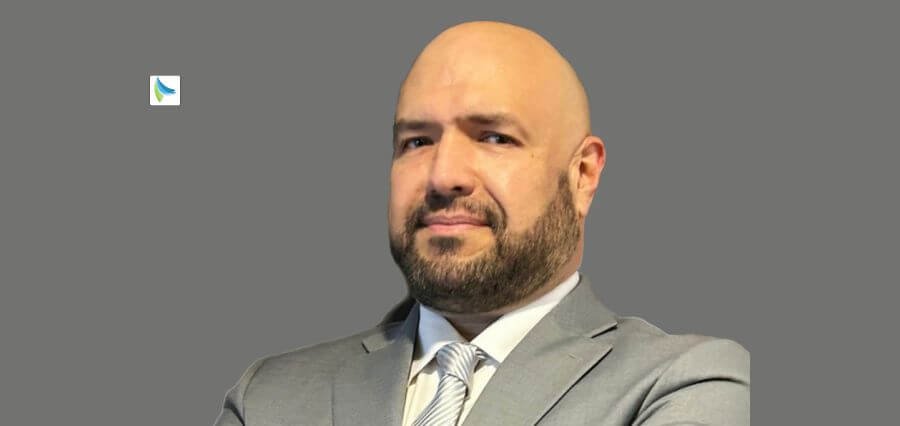
This is where Reda Moukhtar has decided to leave his mark, not by taking up space or filling functions, but by re-writing what hospitality sounds like when it moves from transaction to transformation. Where others see staffing issues, he sees talent waiting to be heard. His is not a story of rising to the top; it’s one of re-writing what leadership looks like when intention is the map and human beings are the agenda.
The Architect of Possibility
Reda Moukhtar didn’t stumble into leadership at Atana Hotel. He built his path deliberately over three decades, spanning management, operations, finance, and business development across the Middle East. His journey reads less like a resume and more like a masterclass in understanding hospitality from every conceivable angle.
But here’s what the titles don’t capture: Reda Moukhtar never wanted to lead just for the sake of leading. What ignited something in him was the gap- that space between what was and what could be. He looked at teams and saw potential that organizational charts couldn’t measure. He examined processes and spotted inefficiencies that had become so normalized nobody questioned them anymore.
Growth became his north star, but not the hollow kind measured only in percentages and profit margins. He believes in growth that lifts, that creates opportunities for individuals to stretch beyond their perceived limitations, that allows organizations to serve more people in more meaningful ways, and that ripples outward into communities. This isn’t idealism disconnected from business realities. It’s a sophisticated understanding that sustainable success only comes when everyone invested in that success can actually benefit from it.
Transforming Steel and Glass into Stories
When Atana Hotel opened in 2015, it joined an already crowded Dubai hospitality landscape. The twin 22-story towers in Barsha Heights boasted 828 luxurious rooms and suites; impressive numbers that meant nothing without the soul to animate them. Under Reda’s stewardship, those towers became something more than accommodation. They became a testing ground for what happens when you treat hospitality as a people development industry that happens to serve guests.
The accolades followed naturally. An 8.8 rating on Booking.com, where Atana Hotel was handpicked from over 100 properties worldwide. The Traveller Review Award. Multiple honors from the Middle East Hospitality Excellence Awards. And in 2024, Reda’s recognition as one of Hospitality’s Most Commended General Managers. This is an acknowledgement that someone finally noticed what his team had known all along.
But Reda Moukhtar treats awards the way a sailor treats lighthouse beams- useful for confirming you’re on course, but never mistaken for the destination itself. He knows that genuine excellence emerges from the unglamorous daily work: building agile teams, creating learning cultures where curiosity is rewarded, and establishing communication channels where every voice matters. He has poured resources into systems and training that keep Atana ahead of regulatory curves and market trends, understanding a fundamental truth: in hospitality, standing still is moving backwards.
Innovation as an Act of Courage
Ask most hospitality professionals about innovation, and they’ll talk about mobile check-in apps or AI-powered customer service. Ask Reda Moukhtar and he’ll tell you about possibility- about having the courage to look at systems everyone accepts and ask, “But what if we didn’t do it this way?” Innovation, in his worldview, isn’t primarily technological. It’s psychological. It’s the willingness to challenge the comfortable lie that things must be done as they’ve always been done.
Beyond business metrics, Reda Moukhtar sees innovation as a moral imperative. It’s about making systems fairer, services more accessible, and everyday experiences more human-centred. This philosophy crystallized during a community training initiative that Reda counts among his career’s defining chapters. The program took workers stuck in low-skill, low-wage positions and gave them a bridge into stable hospitality careers with better pay and genuine advancement potential. Watching these individuals transform validated everything he believes about leadership’s true purpose. Success that doesn’t lift others isn’t success at all.
His relationship with risk reflects this depth of understanding. Reda Moukhtar distinguishes between recklessness and calculated risk-taking. He grounds his decisions in data, insights, and the intuition that comes from decades of pattern recognition. He asks probing questions, involves stakeholders with different perspectives, and prepares contingency plans for multiple scenarios.
Most critically, he has separated failure from shame. In his operational philosophy, failure is simply information; it tells you what doesn’t work, which moves you closer to discovering what does. This mindset liberates his team to experiment and suggest ideas that might sound crazy but might also be brilliant.
Forged in Fire, Led with Grace
Reda’s leadership style didn’t emerge from business school case studies. It was forged in early career challenges that tested his resolve and personal setbacks that taught him resilience the hard way. Those difficult seasons became his most valuable education, teaching him empathy, the importance of listening, and that calm leadership isn’t about feeling no fear; it’s about learning to act despite it.
He leads with transparency because he’s watched how secrecy breeds suspicion and how honesty builds trust. He empowers his team because he remembers what it felt like to have potential that nobody recognized. At Atana Hotel, people know they’re valued not just for their productivity but for their growth, not just for today’s performance but for tomorrow’s potential.
His morning routine of quiet reflection and intentional goal setting isn’t some productivity hack; it’s a survival strategy. In the chaos that defines hospitality leadership, those early hours provide the only reliable space for thinking rather than reacting. He reads voraciously because leaders who stop learning, start repeating their actions. He carves out time for strategic thinking away from operational fires because you can’t navigate toward a destination you haven’t clearly imagined.
Balancing Today and Tomorrow
Every leader in fast-moving industries faces the same challenge: how do you handle today’s crisis without sacrificing tomorrow’s vision? Reda’s approach combines ruthless prioritization with strategic delegation. He constantly asks his team to trace the thread from immediate decisions back to long-term objectives, ensuring flexibility without losing integrity.
What sustains him through difficult periods isn’t stubborn optimism but a clear-eyed understanding of impact. Even when metrics disappoint, he reminds himself that challenges often crack open space for creativity that comfort never could. And he feels the weight of responsibility- if he doesn’t push forward, who will?
The Wisdom He Carries Forward
Reda Moukhtar often returns to a principle that has become his mantra: “Success seems to be connected with action. Successful people keep moving. They make mistakes, but they don’t quit.” This isn’t about mindless perseverance. It’s about understanding that perfection is a prison and that real impact accumulates through consistent effort over time.
To young leaders hungry to make their mark, Reda Moukhtar offers guidance earned through experience: “Stay authentic and stay curious. Don’t be afraid to challenge conventional methods. The fact that something has always been done a certain way is often the weakest argument for continuing it. Listen more than you talk, because the people closest to the work usually have the clearest view of what needs to change. Lead with purpose, not just ambition. Understand that real impact is measured in years, not quarters, and that consistency will ultimately matter more than any single brilliant moment”.
Legacy in Motion
Reda’s story and Atana Hotel’s success prove what becomes possible when expertise meets empathy, when strategic thinking serves authentic purpose, and when excellence today builds toward transformation tomorrow. In an era that celebrates overnight success, he offers a different model- one where sustainable achievement comes from investing in people, maintaining uncompromising standards, and staying true to values.
The hospitality industry will continue its relentless evolution. But with leaders like Reda Moukhtar, who measure success not merely in revenue but in lives improved, the future holds genuine promise. His story reminds us that leadership isn’t about possessing certainty but about asking better questions. It’s not about avoiding failure but extracting wisdom from it. It’s not about personal glory but collective achievement.
Reda’s true legacy won’t be captured in revenue reports or awards displays. It will live in the careers he helped launch, the standards he helped raise, and the example he set for what leadership becomes when purpose guides it, when values ground it, and when creating possibilities for others defines it. This is leadership in its most powerful form; not the kind that demands attention, but the kind that transforms everything it touches.