



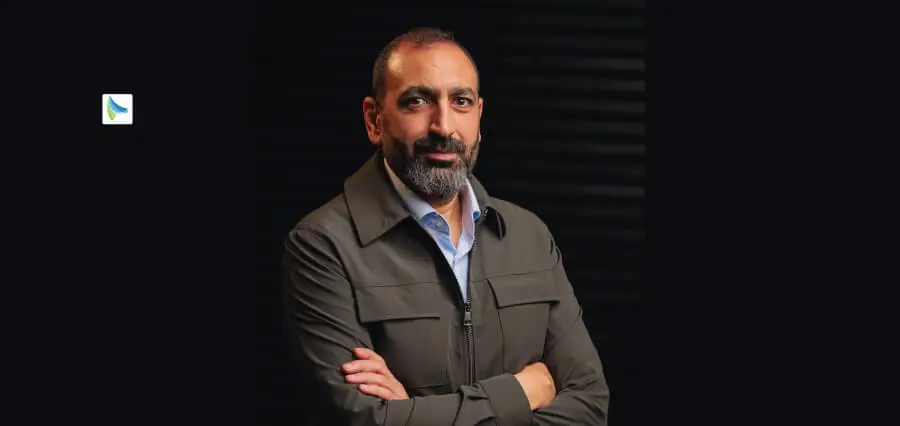
Strategy is rarely the hard part. Execution is. Most organizations can write an ambitious plan; far fewer can turn it into something measurable once it collides with real budgets, real resistance, and teams that were never fully brought along. That gap, between what an organization intends to do and what it actually achieves, is where one leader has spent more than two decades working, and it is exactly where his own company now lives.
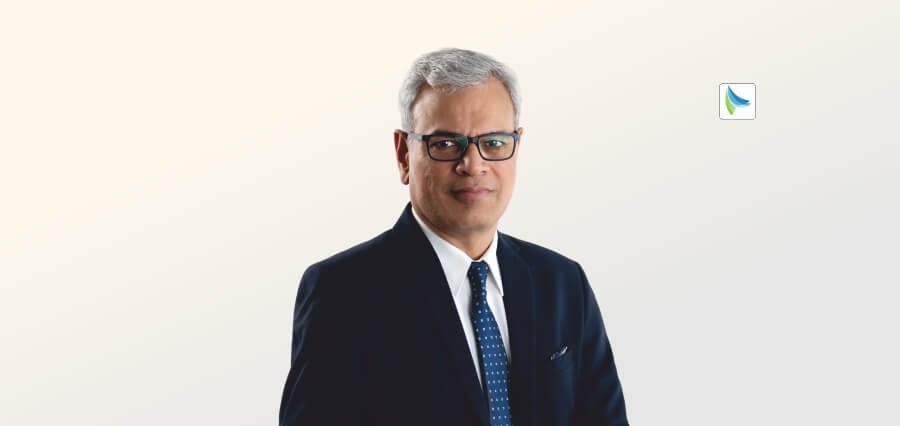
Mohammad Mousa is the Founder of MentalX, a transformation firm built to help organizations close that exact distance between what they intend to do and what they achieve. His path there began not in consulting but in entrepreneurship, co-founding a real-time speech-to-speech translation startup in 1999, at a moment when artificial intelligence and language technology were still in their infancy, and long before either had become a boardroom priority anywhere in the world.
From Speech Translation to Global Transformation
That early venture, built on the vision of breaking down language barriers through technology, attracted enough attention to be acquired by a U.S.-based company in 2004. He reflects, “That experience taught me valuable lessons about innovation, entrepreneurship, resilience, and the importance of turning ambitious ideas into viable solutions.” The career that followed took him through PwC Middle East, Careem, Emirates German Security Printing, Veridos, and numerous public and private sector entities across the Middle East, Africa, and Europe, work that positioned him at the intersection of commercial transformation, digital trust, cybersecurity governance, identity solutions, and large-scale government modernization.
Like every leader, he is candid that the path included both successes and setbacks, and that some of his most valuable lessons came during periods of uncertainty, market disruption, and complex transformation programs where expectations were exceptionally high. He notes, “Those experiences reinforced my belief that resilience, adaptability, and disciplined execution are often more important than talent alone.” Family, mentors, colleagues, and lifelong friendships, he adds, provided perspective during those harder moments and a consistent reminder that leadership is ultimately about empowering others rather than accumulating authority for its own sake.
The Idea Behind MentalX
MentalX emerged from a pattern Mousa kept encountering across very different organizations: excellent strategies that consistently lost momentum during implementation. He explains, “Many organizations have access to talented people, advanced technologies, and significant investments, yet they continue to face challenges in achieving sustainable growth and measurable business impact.” Rather than building another traditional consulting firm, he set out to build something focused on market relevance, commercial performance, technological capability, and operational execution together, bringing strategy, technology, data, AI, governance, and commercial excellence into a single practical, outcome-oriented practice. He affirms, “The guiding philosophy of MentalX is simple: Change the Game. Own Relevance. Deliver Value.” Every engagement, he says, begins with understanding how an organization creates value and ends with ensuring measurable outcomes are actually achieved, a discipline he considers the firm’s defining difference from more conventional consulting models built primarily around recommendations rather than delivery.
He describes MentalX as the culmination of his experiences across commercial leadership, digital trust, government transformation, identity solutions, technology, and entrepreneurship, not merely a business venture but a platform through which he hopes to help organizations create meaningful impact in an increasingly dynamic world.
Balance as Alignment, Not Division
Mousa treats work-life balance less as a matter of dividing hours and more as a matter of alignment between what matters most professionally and personally. He says, “Work-life balance is not about perfectly dividing time. It is about maintaining alignment between what matters most professionally and personally.” His work spans multiple countries, industries, and transformation initiatives, requiring flexibility, responsiveness, and sustained focus, but it has also taught him the importance of creating intentional moments for reflection, recovery, and personal connection rather than letting those moments happen only by accident.
Family remains his greatest source of motivation and perspective, and he credits continuous learning, drawn from reading, industry research, and conversations with inspiring individuals, while keeping him adaptable. He states, “Delegation is not a sign of weakness; it is a sign of confidence in others.” Purpose, he adds, plays a major role in achieving that balance, since work that genuinely aligns with personal values turns many of the pressures of professional life into opportunities for contribution rather than sources of stress.
The Business of Turning Complexity into Clarity
Mousa’s appetite for business, he says, is rooted in curiosity, innovation, and a desire to create meaningful value, since every successful organization exists because it addresses a genuine need or enables better outcomes for the people it serves. What excites him most is transformation itself, the process through which organizations evolve, adapt, and create new possibilities, whether that means helping a government modernize services or supporting a company through digital change. He is particularly drawn to the intersection of trust, technology, and growth, where artificial intelligence, data, and cybersecurity are reshaping how organizations operate.
He notes, “Organizations that can successfully embrace these changes while maintaining trust and governance will define the future.” Entrepreneurship itself, he adds, further strengthened his passion for business, since building MentalX required taking risks, making difficult decisions, and embracing uncertainty, experiences that reinforced his belief that progress comes from action rather than perfection.
He is energized by opportunities to help organizations discover new markets, improve customer experiences, unlock new revenue streams, and strengthen their competitive positioning, describing the challenge of turning complexity into clarity as something he genuinely enjoys rather than treats as a burden of the role. Profit, in his framing, matters because it reflects value creation, but what motivates him most is helping organizations remain relevant and build capabilities that endure well beyond any single engagement.
A Passport with a Soul: The Passion Behind the Work
Asked what drives him, Mousa points to a specific project that reshaped how he understands transformation itself: his involvement in national identity and passport transformation programs, including the Kenyan ePassport. He explains, “The objective extended beyond security and technology. The vision was to create a travel document that reflected the country’s history, culture, diversity, and aspirations while maintaining the highest standards of identity protection.” That experience, he says, demonstrated how innovation can create both functional and emotional value, reinforcing his broader belief that transformation is fundamentally a human endeavor rather than a purely technical one.
He is equally passionate about helping organizations remain relevant in an environment where relevance itself is no longer guaranteed, and about developing people, an area where some of the most rewarding moments of his career have come from mentoring professionals and helping teams achieve goals, they once considered impossible. At its core, he says, his passion is impact: creating solutions that endure, developing capabilities that outlast any individual project, and helping organizations build futures they can confidently grow into.
Turning Disruption into Acceleration: The COVID Chapter
The pandemic, Mousa says, compressed transformation timelines that would ordinarily have unfolded over years into a matter of months, forcing remote work, digital channels, cybersecurity, automation, and business continuity planning into immediate priorities almost overnight. He affirms, “The pandemic reinforced a lesson I had long believed: adaptability is one of the most important organizational capabilities.” Rather than focusing solely on the disruption, he worked with organizations to identify the opportunities it created, particularly around stronger governance, better technology adoption, and greater operational flexibility. He notes, “Organizations that maintained trust while adapting quickly often emerged stronger.”
Professionally, he says, the period accelerated trends that continue to shape business today: digital transformation became business transformation, cybersecurity moved from an IT concern to a boardroom priority, and customer expectations shifted in ways that have never fully reverted. The experience, he adds, strengthened his belief that leaders must prepare organizations not only for growth but for disruption, since resilience and continuous innovation are no longer optional capabilities but strategic necessities.
Strengths, and the Weakness of Caring Too Much
Mousa considers his ability to connect vision with execution his defining professional strength, along with adaptability built from working across consulting, technology, government transformation, cybersecurity governance, identity solutions, and commercial leadership. He also names resilience and strong communication among his core strengths, since many transformation initiatives involve uncertainty and resistance, and leadership, in his view, requires the ability to simplify complexity and build alignment around a common vision across executives, government stakeholders, partners, and technical teams alike. He is equally candid about a weakness he had to learn to manage. He says, “High standards can sometimes lead to excessive personal involvement. I cared deeply about outcomes and often found myself wanting to participate in every detail. While this demonstrated commitment, it occasionally limited opportunities for others to grow.”
Over time, he came to see empowering individuals as stronger organizational practice than centralizing responsibility, alongside a related lesson about balancing urgency with patience, since meaningful change requires stakeholder alignment and organizational readiness that cannot simply be rushed. He affirms, “I believe self-awareness is one of the most valuable leadership qualities. Strengths should be leveraged, weaknesses should be acknowledged, and both should be viewed as opportunities for continuous improvement.”
Achievements Measured in Trust
Mousa is direct about how he measures his own accomplishments, pointing to national identity and passport transformation initiatives that balanced innovation, security, operational excellence, and stakeholder alignment as work he is particularly proud of. His time at PwC Middle East strengthened his expertise in governance, cybersecurity, and digital trust, while supporting Careem through a transformational period gave him exposure to high-growth technology environments and large-scale organizational change, and his work across EGSP and Veridos deepened his understanding of identity ecosystems and government modernization.
Founding MentalX, he says, represents another milestone he considers particularly significant, reflecting years of professional learning and entrepreneurial ambition now channeled into helping organizations achieve measurable commercial growth. He affirms, “While awards and accolades are appreciated, I believe the ultimate measure of success lies in trust. The confidence clients, colleagues, and partners place in your leadership is often the most meaningful recognition one can receive.” Personally, he counts mentoring professionals and helping develop future leaders among his proudest achievements, work he describes as its own distinct form of legacy separate from any single project or transformation program.
Advice for Aspiring Leaders
Mousa’s advice to those pursuing leadership roles begins with a reframing of what leadership actually is. He states, “Leadership is often misunderstood as authority, status, or position. In reality, leadership is about responsibility. It is about helping people achieve outcomes they could not accomplish alone.” His guidance moves through a sequence of principles: commit to continuous learning, since the best leaders remain students throughout their careers; master execution, because vision alone does not create results; build trust intentionally, since it takes years to earn and moments to lose; embrace resilience, treating setbacks as foundation rather than obstacle; and remain adaptable as technologies evolve and markets shift.
He affirms, “The most successful leaders create opportunities, develop talent, and help others exceed their own expectations.” Above all, he says, staying connected to purpose is what makes leadership sustainable, since leadership is not about being remembered for a position, but the difference made in the lives of others.
A Mantra for Growth
Mousa’s message to aspiring professionals treats success as a continuous practice rather than a fixed destination. He says, “Success is not a destination; it is a continuous commitment to growth, learning, and value creation.” His closing advice is characteristically direct: stay curious, remain adaptable, invest in people, and never underestimate the power of disciplined execution. He adds that the most successful individuals and organizations are those that continuously evolve while remaining true to their purpose, building trust and embracing change as the foundation everything else depends on.
Mousa is candid that the leadership environment ahead will demand more balance than the one behind it. He affirms, “Organizations will need leaders who can balance innovation with responsibility, speed with governance, and growth with purpose.” Artificial intelligence, digital trust, cybersecurity, and shifting customer expectations are reshaping the world at an unprecedented pace, and he believes the future belongs to those who remain relevant by continuously learning and adapting rather than defending positions they have already secured. Leadership, in his view, is no longer about controlling change but about enabling it, a shift that increasingly defines who gets trusted to lead the next generation of business and society, and one he considers among the defining tests of leadership for the decade ahead.
Across a career that has moved from a language-technology startup to advising governments and global enterprises on transformation at scale, Mohammad Mousa has arrived at a singular conviction that now defines MentalX: strategy without execution is simply an expensive idea, and true leadership is measured not by title, but by the sustainable impact left behind. It is a conviction that has carried him from co-founding an early speech-translation venture, through governance and identity work spanning multiple continents, to building a firm whose entire mandate is closing the gap between what organizations plan and what they actually deliver, one engagement, one transformation program, and one trusted relationship at a time.