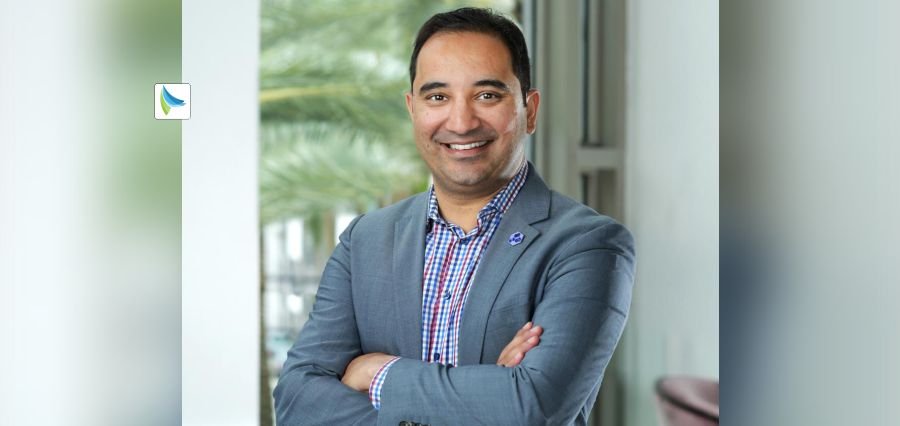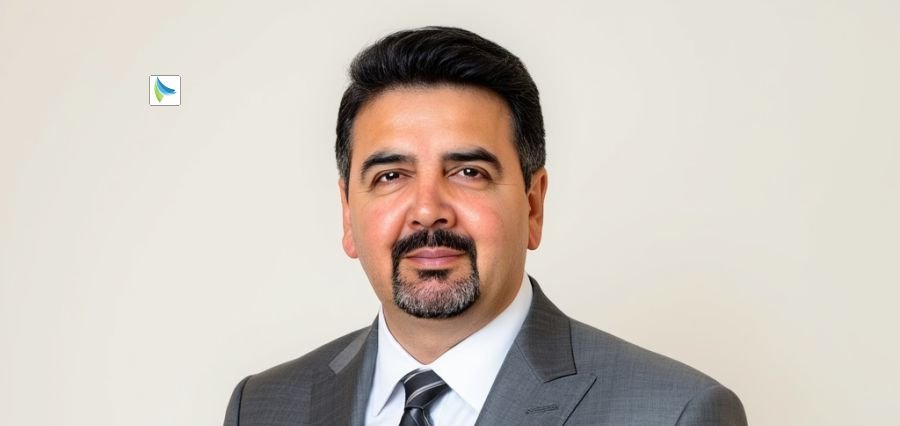





The days of procurement being a back-office task are over; today, it is the frontline of corporate strategy. Lindsay Pope, Procurement Consultant & CEO at Apothecary Consulting, is the driving force behind this shift. Using her background in contract law and homeland security, she has turned procurement into a strategic engine that fuels innovation and protects an organization’s future. Her most recent consulting project was at Sanofi.
Whether she is securing life-saving equipment during a pandemic or navigating the complexities of AI, Lindsay leads with a simple philosophy: “work well, feel better.” Her story is one of a leader who does hard things so her team and her organization can truly thrive. Known as a “fixer,” she looks beyond the spreadsheets to focus on the human element of every supply chain.
Lindsay demonstrates that real excellence isn’t just about saving money, it’s about building a resilient, purposeful future where every contract serves a greater good.
Let’s look closer at the philosophy and hard work that allow Lindsay to transform complex challenges into seamless, high-value operations!
The Foundation of a Fixer
The spark that ignites a career in procurement is often found in unexpected places. For many, the path is purely academic, but for others, it is born out of a necessity for order in chaotic environments. Her journey began in the world of public safety and national security, a field where every resource must be accounted for and every regulation followed to the letter. “I started out working as a Homeland Security officer out of college and after graduate school I got a job working in Homeland Security Budget and Procurement for a government agency,” she says. This initial exposure to the logistical side of security provided her with a foundational understanding of how large-scale organizations function.
As Lindsay moved deeper into the administrative side of the agency, she found herself drawn to the complexities of the legal frameworks that governed public spending. It was not just about the acquisition of goods, but about the language of the law and the psychology of agreement. “I really enjoyed the contract law portion of Massachusetts Public Procurement, and that, combined with negotiations in the private sector and my work in small claims mediation, made me interested in expanding into other areas as I moved forward in my career,” she explains. The blend of mediation and litigation gave her a unique edge, specifically the ability to see both the strict requirements of a contract and the human needs of the parties involved. In an industry that can often feel cold, this early curiosity evolved into a career-long mission to learn. Lindsay realized early on that the more she understood the reasons behind the rules, the more effectively she could navigate them.
Leading the Evolution
The evolution of procurement from a transactional necessity to a strategic driver is a story of bridging the gap between old-world grit and new-world technology. When Lindsay stepped into the role of Chief Procurement Officer for a municipality earlier in her career, she inherited a department that was a living museum of industry’s history. Her predecessor had a career path that seemed like a relic of a bygone era. “He talked to me about how in the 1980’s procurement was just starting and that the rules weren’t really updated for the first 25 years,” she notes. He had started as a teenager and spent decades climbing the ladder. While his experience was invaluable, the system he left behind was struggling to keep pace with a modern economic environment.
She recognized that the stagnation of the previous quarter century had created a bottleneck for progress and she took it upon herself to advocate for change. “I made a point to be at the forefront of those changes after that,” she recalls. This was not just about changing software, but about changing the philosophy of how the organization interacted with the market. One of the most critical battles she fought was against the erosion of purchasing power caused by decades of inflation. “I was involved in expanding thresholds for public procurement in construction so that work could get done better and faster,” she explains. By the time she arrived, the financial limits set by the state had not moved in nearly thirty years, making it nearly impossible to manage modern construction costs without unnecessary bureaucratic delays.
Beyond policy, Lindsay revolutionized the day-to-day operations of her office. She understood that while the digital age was here, the transition required a nuanced touch that respected the reliability of the past. “I was still old enough to understand the importance of a wet signature, but young enough to respect the need for more electronic documentation,” she says. By introducing e-filing and online solicitation capabilities, she modernized the infrastructure while maintaining the integrity required for public record keeping. This balance of tradition and innovation became a hallmark of her leadership style.
Turning Savings into Opportunity
For Lindsay, procurement is about more than cutting costs; it’s about creating possibilities. Every dollar saved becomes a resource for innovation, growth, and impact. “I believe the future of procurement is found in embracing ways to become more agile, more customized, ways to pivot, and ways to not lose focus on what is important about saving money, development,” she asserts. In her eyes, every negotiation is an act of advocacy for the company’s future.
This perspective shifts the conversation from cutting costs to enabling dreams. Whether she is working in the public sector or the world of biopharmaceuticals, the impact is tangible and immediate. “Wealth creates opportunities so when I save an organization $5 million dollars, that money can go into programs that were just “nice to have” but likely were also something that could really use cash flow to make them expand,” she explains.
The Art of Invisible Integration
As Lindsay transitioned into the world of high-level consulting and her upcoming role at Moderna, her methodology became even more refined. In 2025, she launched Apothecary Consulting to bring her fixer mentality to a broader range of organizations. “The beauty of working in consulting is that I have been able to do so much great work and learn from so many different organizations,” she shares. This role allows her to act as a diagnostic expert for broken processes, identifying the pain points that prevent a company from operating at its peak.
Lindsay is the first to admit that procurement is often a tough sell to employees who view the department as a collection of people who slow down the speed of business. She counters this by focusing on the ease of the workday for her colleagues. “I love talking to people and helping them work out complex issues in a way that potentially changes the ease at which their day operates,” she notes. Her goal is to be a ghost in the machine who builds a more efficient system so seamlessly that the users do not even realize a major change has occurred. The reward comes a year later when the analytics reflect a reduction in organizational stress.
The Pandemic Test
The ultimate validation of a procurement leader’s worth often comes during a crisis. “During the pandemic, I had to convince a university president, trustees, finance, and several others to trust that I could deliver on a year’s worth of PPE, supplies, and services if they just gave me the green light and an open checkbook,” she recalls.
This was not a request for a blank check for the sake of spending, but a strategic move to secure the safety of thousands. Lindsay used her network of medical groups to get the equipment needed to keep the institution open. The teams she formed then built a lasting foundation of strength. It was a clear reminder that while procurement usually works behind the scenes, it saves lives and keeps society moving during emergencies.
Sustainability as a Mandate
While many leaders treat sustainability as a marketing checkbox, she treats it as a core competency that defines her career. In 2015, she proved her commitment to this cause by pursuing a Master’s certificate in Sustainability from Harvard, an achievement she reached while raising a newborn and working full time. “Sustainability is incredibly important to me,” she says. She understands that the procurement department is the primary lever an organization can pull to reduce its environmental impact.
Throughout her career, she has pushed for mandatory LEED certifications in construction and rigorous reviews of equipment to ensure ethical sourcing. For her, green initiatives are not just nice to have but are a requirement of modern projects. By pushing the needle toward carbon neutrality, she ensures that the organizations she represents are not just profitable today, but responsible ancestors for the generations to come. This dedication to the environment is woven into every contract she oversees at Foundation Medicine.
AI and the Ethics of Intelligence
In the current digital transformation of climate, Lindsay remains a balanced voice. She values the power of platforms like Coupa and Fairmarket to handle low hanging fruit and automate the repetitive aspects of the job. However, she holds a firm line when it comes to the use of Artificial Intelligence for high-level creative and strategic work. “AI can make it cleaner and smoother and allow for extra polish. It should not be substituted for actual intelligence, however,” she explains.
She warns against the false narratives that AI can create, where a person’s digital output no longer matches their real world capabilities. For her, the hard work of thinking, writing, and negotiating is where true professional value is found. Technology should be a tool that enhances human intelligence, not a crutch that replaces it. Lindsay believes that hard work is still the number one way to achieve success in this field.
A Legacy of Integrity
When she looks back at her time at Foundation Medicine and beyond, she wants her legacy to be measured in the happiness and success of the people she supported. Her leadership philosophy is simple and centers on the idea that inclusion leads to compliance. By understanding the reasons behind how people work, she can rebuild processes that actually make their lives better. She wants people to know she always had their best interest in mind and spent their money carefully.
Her final piece of advice for the next generation of procurement leaders is a call to courage and accountability. “At the end of the day, all you have is your integrity, and you must be accountable to yourself,” she concludes. She encourages newcomers to do the hard things and to stand firm in their principles, even when faced with sabotage or indifference. For Lindsay, the bar for excellence is not just about the results on a spreadsheet, but about the character of the person behind the desk.