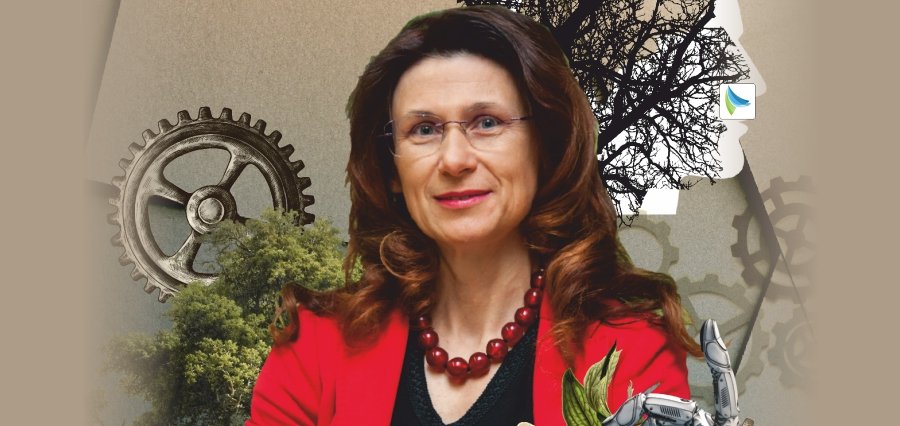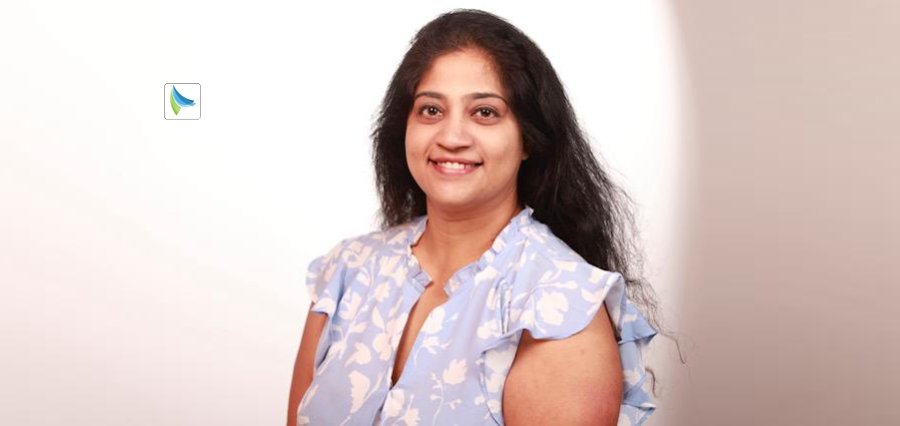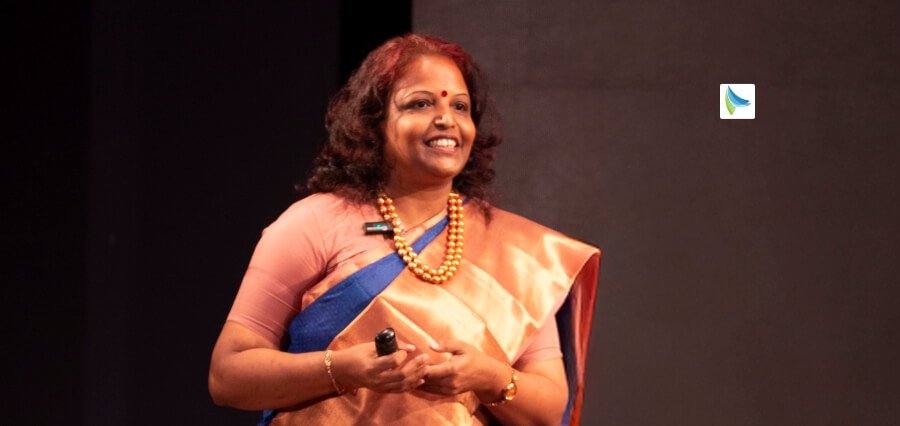





Genuine healthcare leadership comes from a compassionate heart, believes Dr. Nada Yasin Fida, Founder and CEO of CareLead Consultancy, and also recognized widely as an excellent Leadership and Emotional Resilience Coach, Patient Experience Advisor, and Board Member, ICF Saudi Arabia.
Dr. Fida’s two decades of experience in supporting leaders, healthcare professionals, and changemakers through transformation, challenge, and growth, along with a background in healthcare leadership and emotional intelligence, empower individuals and teams to lead with clarity, compassion, and confidence. She takes evidence-based coaching methods and infuses them with deep emotional insight, thus drawing upon emotional intelligence, positive psychology, and spiritual alignment. Her approach helps clients build inner resilience, prevent burnout, and lead with authenticity.
In an exclusive interview with Insights Success, Dr. Nada Yasin revealed her patients’ empowering journey, achievements, and plans ahead.
What made you decide to become a leader in your field and focus on creating new growth opportunities?
My decision to become a leader in coaching, patient experience, and human-centered development stems from a conviction that meaningful transformation begins with people—their emotions, values, and sense of purpose.
Throughout my journey in healthcare leadership and organizational development, I saw a recurring truth: excellence in systems means little without empathy for people. That realization led me to pursue coaching as a bridge between human potential and institutional progress.
Founding CareLead Consultancy was my response to that insight. Through it, I integrate coaching, training, and consulting to empower professionals and organizations to lead with both competence and compassion. My focus has been on creating growth opportunities that combine emotional intelligence, resilience, and patient-centered leadership—helping others rediscover purpose as the foundation of performance.
What are the biggest challenges your industry faces, and how have you worked to overcome them?
The industries I serve—healthcare and coaching—share a profound challenge: sustaining humanity amid pressure. In healthcare, operational demands can erode empathy and connection. In coaching, the rapid expansion of the field risks diluting professional standards and authentic practice.
To overcome these, I advocate for capacity building through awareness, collaboration, and professional excellence. In healthcare, I design and deliver programs on Human-Centered Care and Emotional Resilience that enable teams to reconnect with meaning while improving performance.
Within the coaching profession, as a Board Member of ICF Saudi Arabia, I work closely with regional and international colleagues to raise awareness of the value of coaching and uphold ethical standards. I was honored to serve on the organizing team of the ICF MENA Coaching Summit 2025—the first held in Saudi Arabia and the third in the MENA region—where, alongside my fellow board members, we built a platform that celebrated innovation, growth, and the legacy of impact across the region.
What keeps you motivated to come up with new ideas, even when times are difficult?
My motivation comes from witnessing transformation—the spark in someone’s eyes when they rediscover confidence or clarity. In difficult times, I draw strength from my purpose: to empower people to lead from the heart.
My personal philosophy, reflected in my “HEART” model (Hope, Empathy, Action, Resilience, Trust), reminds me that challenges are invitations to evolve. I channel that spirit of renewal into creative initiatives—developing micro-resilience toolkits, experiential workshops, and my Arabic-language podcast, «نبض التغيير | Pulse of Change», which shares reflections on leadership, self-discovery, and emotional well-being with a broad Arabic-speaking audience.
Each project is a reminder that creativity thrives not in comfort, but in commitment to a higher cause.
How do you approach taking risks when you’re trying something completely new or different?
For me, risk is an act of alignment—testing whether an idea resonates with my mission and values. When the intention is clear, courage follows naturally.
During the planning of the ICF MENA Coaching Summit 2025, we navigated uncharted territory: introducing the event to Saudi Arabia for the first time, engaging regional sponsors, and designing experiences that reflected both global standards and local identity. Working collaboratively with the ICF board team, I learned that risk becomes innovation when guided by trust, shared purpose, and co-creation.
I encourage my teams to view experimentation as learning, not as uncertainty. Progress demands stepping into the unknown with vision and heart.
What does “innovation” mean to you personally, beyond business success?
To me, innovation is the art of humanizing progress. It’s not merely invention—it’s transformation with meaning. True innovation integrates empathy into every layer of design and decision-making.
Beyond business metrics, innovation is when a healthcare professional rediscovers joy in their calling, or when a young leader realizes that their voice matters. It’s when systems evolve to serve people better, not just faster.
Innovation, at its essence, is the courage to bring humanity into places where it has been forgotten.
How have your life experiences shaped the way you lead your team and make decisions?
My path has been one of transitions—between sectors, roles, and expectations—all of which taught me that leadership begins with self-awareness. Facing change and uncertainty strengthened my belief in leading with authenticity and reflection.
I lead by listening deeply, empowering others to contribute their best, and fostering an environment of psychological safety. Every decision I make is guided by alignment—with purpose, people, and long-term vision rather than short-term convenience. My experiences have taught me that when people feel seen and trusted, excellence follows naturally.
Can you share a specific moment when your work has made a positive impact on people, your industry, or society?
One defining moment was witnessing the ripple effect of the “Empowering Teams for Operational Excellence” program that I delivered for a leading healthcare facility. The initiative didn’t just improve teamwork or efficiency—it transformed culture. Participants described how they began to “listen to each other before responding,” how empathy replaced frustration, and how collaboration became a shared value.
Similarly, through ICF Saudi Arabia’s “Ignite” pro-bono coaching initiative, I witnessed the social power of coaching—how providing structured support to non-profit leaders and volunteers could inspire ripple effects in their communities. These stories remind me that leadership is not about recognition but about creating spaces where others can thrive.
What personal habits or routines help you stay focused and creative as a leader?
I start each morning with quiet reflection—gratitude journaling and intention setting—to align my thoughts and energy. I practice mindful pauses throughout the day, short moments that help me stay centered amid complexity.
Continuous learning also fuels my creativity. I regularly attend professional forums, mentor emerging coaches, and engage in cross-disciplinary reading that connects science, psychology, and art. These practices nurture perspective and keep my ideas fresh, authentic, and relevant.
How do you balance short-term challenges with your long-term vision for your industry?
I approach leadership with a dual focus: adaptive now, strategic next. I acknowledge immediate challenges—resource limits, stakeholder needs, timelines—yet I always connect them to the larger vision of building emotionally intelligent, resilient, and human-centered organizations.
Every project I lead includes a sustainability element: developing internal champions, embedding learning cultures, and aligning outcomes with purpose. By doing so, short-term actions become stepping stones toward lasting transformation.
What advice would you give to young leaders who want to make a real difference in the world?
Lead with purpose, not ego. The world needs leaders who listen, empathize, and act with integrity. Invest in your emotional intelligence, because how you make people feel will define your legacy more than what you achieve.
Be courageous in taking the first step, even if it’s small. Growth often begins where comfort ends. Surround yourself with mentors, learn constantly, and remember that resilience is not the absence of struggle—it is the strength to keep showing up with hope and compassion.