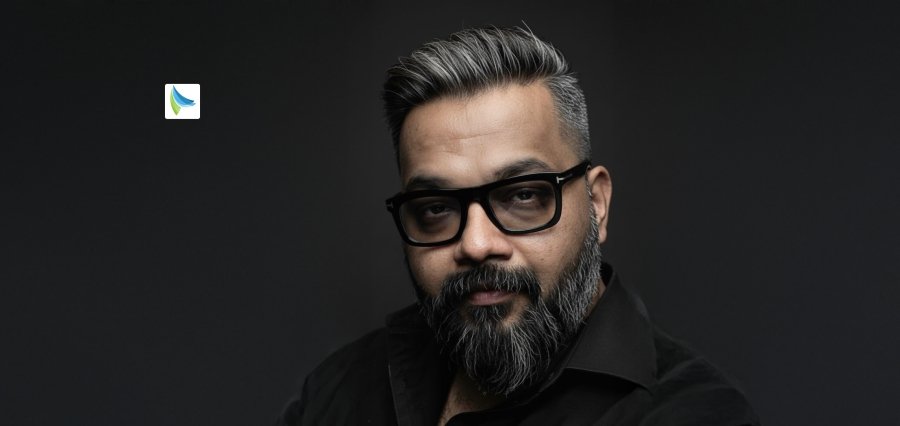




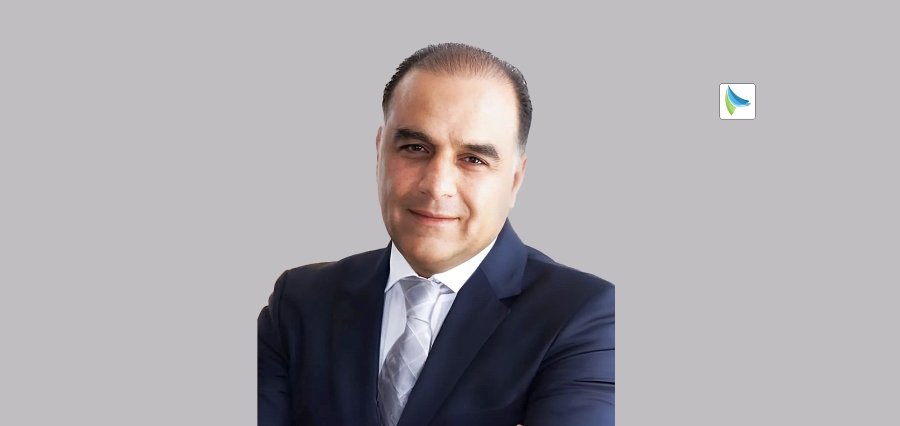
Every once in a while, a leader comes along who changes the way people think about what is possible. Khaled Younis is one of those leaders. As the CEO and Founder of ARAMED, he has dedicated his career to transforming medical-aesthetic technology and helping clinics, practitioners, and patients achieve better outcomes. Leadership, for Khaled Younis, is measured by the difference it makes, the growth it inspires, and the ways it turns difficulties into opportunities.
He has built his work on curiosity, persistence, and learning from every experience. Khaled Younis approaches his role with clear thinking and empathy, knowing that lasting results come when people feel supported and inspired. Innovation, for him, is more than products or technology. It is about solving problems in ways that improve lives, simplify processes, and create lasting value.
Through ARAMED, Khaled Younis has helped clinics adopt advanced technology, strengthen their teams, and stay ahead in a fast-changing industry. He focuses on trust, continuous learning, and steady growth, showing that obstacles can become opportunities.
Let’s delve into the interview details below!
What made you decide to become a leader in your field and focus on creating new growth opportunities?
From the beginning of my career, I knew I wanted to be part of shaping the future of my industry not just following it. Working in a fast-moving and highly competitive sector opened my eyes to how much impact the right leadership can make. I realized that leadership is not a title; it is a responsibility to create value, to open doors for others, and to transform challenges into opportunities. Choosing to lead came from a genuine desire to build, inspire, and push the boundaries of what’s possible.
What are the biggest challenges your industry faces, and how have you worked to overcome them?
The medical-aesthetic technology sector faces intense competition, rapid technological shifts, and rising expectations from both clinicians and patients. To overcome these challenges, I focused on real innovation not just upgrading products, but improving the entire user experience. Building long-term trust with clients, offering continuous education, and equipping our teams with strong knowledge and tools has allowed us to stay ahead and deliver consistent value.
What keeps you motivated to come up with new ideas, even when times are difficult?
What motivates me most is impact. When you see clinics growing, practitioners becoming more confident, or patients experiencing better results, it fuels you to keep pushing forward. Difficult times don’t discourage me they challenge me. Every market shift creates a new opportunity, and every gap is an invitation to innovate. That mindset is what keeps the ideas flowing, even in the hardest moments.
How do you approach taking risks when you’re trying something completely new or different?
I see risk as a calculated process, not a leap of faith. I start by analyzing data, understanding market needs, and evaluating the worst-case scenario. Yet intuition built through years of experience also plays an important role. Clear communication with my team is essential, because when the vision is shared, risks become more manageable. For me, well-planned risks are the gateway to breakthroughs.
What does “innovation” mean to you personally, beyond business success?
To me, innovation is a mindset before it is a product. It is the ability to imagine what doesn’t exist yet and bring it to life in a way that improves people’s lives. True innovation isn’t measured by financial returns it is measured by its human impact. It’s about bringing simplicity, efficiency, and meaningful change, even in small forms. Innovation is leaving something better than you found it.
How have your life experiences shaped the way you lead your team and make decisions?
I grew up believing that success is earned through dedication and integrity. This shaped my leadership style into one grounded in transparency, empathy, and responsibility. I learned that great leadership is not about directing it’s about listening, understanding, and empowering people. My decisions always take into account the human element, because strong teams create strong companies, not the other way around.
Can you share a specific moment when your work has made a positive impact on people, your industry, or society?
One defining moment was when we were able to support small and medium-sized clinics during a challenging period in the market. By providing them with advanced technology, proper training, and continuous support, many of these clinics stabilized and grew improving patient care and protecting jobs. Seeing this ripple effect reminded me that meaningful work always extends beyond the business itself.
What personal habits or routines help you stay focused and creative as a leader?
I maintain a structured daily routine that allows time for strategic thinking without distractions. Continuous learning is essential to me I read, study trends, and stay connected with leaders across different industries. Creativity, in my view, doesn’t appear by accident; it comes from being curious, staying informed, and always being open to new perspectives.
How do you balance short-term challenges with your long-term vision for your industry?
I follow a simple principle: “Move two steps forward, even if you take one step back.” Short-term challenges require quick and efficient solutions, but they should never derail long-term strategy. I make decisions with flexibility but always anchored to a clear vision. Balancing both allows me to handle immediate issues while ensuring the direction of the industry and our company continues upward.
What advice would you give to young leaders who want to make a real difference in the world?
My advice is: Start don’t wait for perfect conditions.
Real change is driven by people who take action, not by those who hesitate. Be courageous, stay humble, and commit to lifelong learning. Don’t fear failure; see it as a mentor. Build a team you trust and empower them. And most importantly focus on creating value, not noise. Leadership is about impact, and impact begins the moment you take your first step.