



There’s a lake in northwest Kenya where crocodiles hunt. Just days before Hywel George showed up at Lake Turkana, two kids disappeared- snatched by something lurking under the surface. Local politicians were uneasy, talking about how the crocodile numbers kept growing. The warnings were everywhere. The danger was real. The numbers didn’t lie. Most people would’ve stayed back, taken a few photos, and left it at that.
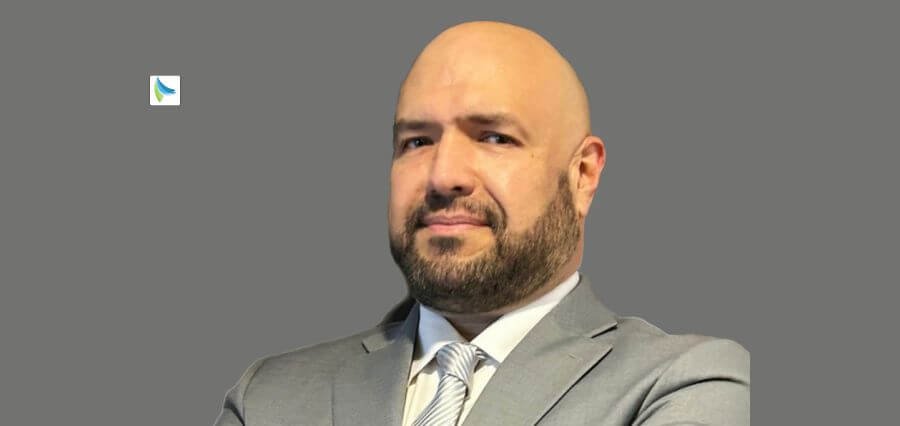
Not Hywel. Although he swam, he wasn’t reckless about it. He heeded the warnings. He knew the risks. He just didn’t let fear make the call. Instead, he interacted with the people who knew more about the lake. He listened, discovered where the danger actually was, and made his decision accordingly. “Crocodiles? They were out there, no question. But Lake Turkana is huge. Not every stretch hides man-eaters,” he thought. Standing at the water’s edge, he knew he’d found a safe spot. So, he proceeded accordingly.
That moment says a lot about the kind of leaders showing up at the crossroads of climate crisis and community development. Forget the ones who just talk about saving the planet from behind a podium. These leaders dig in. They stand, sometimes literally, knee-deep in the reality of the places they want to help. They turn big ideas—carbon this, sustainability that—into something you can see, like clean water running from a village well. They know change takes more than slides and speeches. Sometimes, it means diving in yourself.
The carbon credit industry resembles Lake Turkana itself: vast, vital, and populated with dangers. Media scandals circle like predators. Regulatory frameworks shift like underwater currents. Unethical practitioners lurk in the shallows, giving the entire ecosystem a dangerous reputation. Yet within these same waters, an extraordinary transformation is occurring. Communities that have walked for generations to reach dirty water now turn on taps in their villages. Farmers who barely survived on meagre harvests now bring in sixfold yields. Coastal ecosystems that were disappearing are regenerating, bringing fish back to nets and hope back to villages.
This is where journalism becomes entrepreneurship, where witnessing becomes creating, and where one man’s 80-country education in human development transforms into a company called Griot Ltd. It’s named after the West African storytellers who preserve and transmit community wisdom. It’s where Hywel, Director and architect of social change, has decided the story is worth more than observing. It’s worth living, building, and risking everything to write new chapters.
From Witness to Warrior: The Evolution of Purpose
For years, Hywel watched the world change from the ground where transformation actually happens. As a journalist covering development agendas, he accumulated passport stamps from 80 countries. But these weren’t tourist visits or fly-by reporting trips. He embedded himself in communities, witnessed extraordinary people undertaking audacious projects, and documented the messy, magnificent process of beneficial change.
Each country taught him something. Each project revealed patterns. He learned that sustainable development isn’t about imposing Western solutions on non-Western problems. He discovered that the best innovations honour local knowledge while introducing new possibilities. He observed that leadership quality determines whether communities rise or stagnate, regardless of funding levels.
Then something shifted. Observation alone stopped satisfying him. He had accumulated decades of knowledge about creating change. The mature stages of his career presented a question: Would he continue documenting other people’s impact, or would he use everything he had learned to create his own?
Griot Ltd emerged as his answer. The company promotes social change by helping communities unlock their carbon assets, transforming atmospheric liability into community assets, connecting global carbon markets with local water security, agricultural productivity, and coastal restoration. For Hywel, launching Griot wasn’t a career pivot. It was the logical evolution of everything he had learned. The journalist had become the protagonist of his own development story.
Yet, as Hywel often acknowledges, none of this could have been achieved alone. His journey has been deeply shaped by the strength of a loyal and talented team of professionals who share his vision, as well as by the support of patient investors- individuals who believe in impact before profit and remain steadfastly committed to ridding the world of its inequities. Together, they form the invisible architecture that allows Griot to turn vision into verifiable transformation.
Swimming With Crocodiles: Leadership in Dangerous Waters
The carbon credit industry attracts both genuine change-makers and opportunistic operators. Media coverage often fails to distinguish between them, painting the entire industry with scandal-soaked brushstrokes. Unethical practices have occurred. But ethical practitioners like Hywel find themselves defending not just their work but the entire concept.
This is Hywel’s Lake Turkana moment writ large. The industry has crocodiles; real dangers that have caused real harm. The question is whether those dangers justify abandoning the entire lake, or whether they require smarter navigation.
Hywel has chosen radical transparency. Rather than issuing defensive press releases, he invites journalists to witness Griot’s projects firsthand. “Come to Kenya,” he tells skeptical reporters. “See the boreholes. Meet the families who previously walked 40 kilometers round-trip for contaminated water. Visit the mangrove restoration sites. Speak with the rice farmers harvesting six times their previous yields,” shares Hywel.
This approach flows from his journalistic background. When journalists arrive expecting greenwashing and encounter genuine transformation, their coverage shifts. They still scrutinize, as they should. But they can’t deny what their eyes show them. Seeing creates believers more effectively than any marketing campaign.
The regulatory landscape presents different challenges. Carbon credit frameworks are still emerging, creating uncertainty. Hywel navigates this by focusing relentlessly on what he controls- ethical operations, transparent practices, and measurable community impact. He participates in industry discussions but refuses to let regulatory uncertainty paralyze action.
His philosophy is beautifully simple: do the next right thing. Trust that if you focus on genuine impact, the regulatory environment will eventually align with quality practice. The crocodiles exist, but they don’t own the entire lake.
The Million-Person Motivation: Impact Over Income
Griot Ltd currently manages over 1,000 water boreholes across Kenya. The crown jewel is the Maji Bora Project- 600 boreholes serving over one million people living in rural poverty. Maji Bora translates to “better water,” but even that phrase understates what these boreholes represent.
Before Griot’s intervention, families, primarily women and children, walked up to 20 kilometers each way to collect water. Forty kilometers total, often in brutal heat, to reach sources that were frequently dirty, polluted, or unsafe. Children missed school. Women couldn’t generate income. The physical toll created health problems. The contaminated water created more.
Now, taps flow with clean water. The 40-kilometer death march has ended. Children attend school. Women start businesses. Health improves. Economic opportunity expands. And this isn’t temporary charity. Maji Bora guarantees water delivery for a minimum of five years.
Hywel visits these communities regularly, and these trips fuel him. When regulatory complexity frustrates him, when media criticism stings, he remembers the faces of children drinking clean water. That’s what keeps him motivated, not abstract carbon metrics, but the undeniable reality of transformed lives.
Wisdom for Warriors
To young leaders wanting to make real differences, Hywel offers wisdom earned through decades and 80 countries:
Live each day like it’s your last, knowing with certainty you’ll live forever. This paradox combines urgency with patience, intensity with sustainability.
Fear nothing but fear itself. The dangers are real, but paralyzing fear accomplishes nothing. Seek local intelligence, make informed decisions, and swim where the waters are safe.
Trust your instincts while acknowledging you don’t have all knowledge. Balance intuition with humility.
Keep minds open. The assumptions you hold most confidently may be precisely the ones limiting your impact.
Above all, Hywel wants young leaders to enjoy the journey. They face enormous challenges such as climate crisis, inequality, political polarization, and technological disruption. But the journey can still be joyful. “The communities you serve will teach you more than any textbook. The partners you find will expand your capacity beyond imagination. The impact you create will fuel you when obstacles threaten to stop you,” he shares.
This is leadership understood not as dominance but as stewardship. It’s a temporary responsibility in humanity’s ongoing story. It’s leadership that swims with crocodiles, not recklessly but bravely. Leadership that transforms millions of lives while remaining grounded in family and love.
Hywel embodies this approach. He’s a journalist who became a protagonist, an observer who became an architect, and a swimmer who checked for crocodiles and then dove in anyway. Under his guidance, Griot Ltd continues writing new chapters in the development story he once merely documented. And across Kenya, Congo, and coastal Africa, communities are living those chapters: drinking clean water, harvesting abundant crops, and restoring ecosystems while building futures their children will inherit.
The lake remains vast. The crocodiles remain real. But the water is clearer now, and more people are learning to swim.