



Prime Highlights
- Huawei’s Mate XT2 series launches with a new Kirin 9050 Pro chip, priced from $2,980, with sales starting September 12.
- Huawei leads China’s smartphone market with 22.6 percent share and dominates the folding phone segment with 68 percent of shipments.
Key Facts
- Xiaomi and Apple are launching new phones this week, with Apple’s foldable model widely anticipated.
- The Mate XT2 offers 42 percent better performance than its predecessor, per company tests.
Background
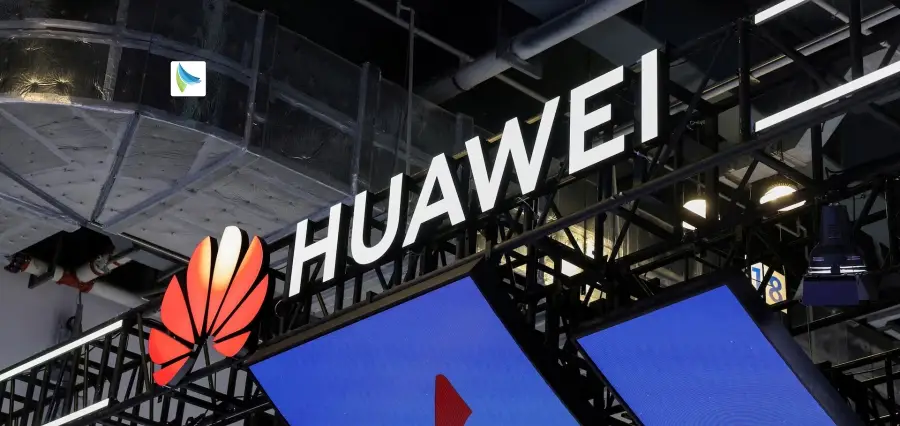
Huawei launched its new flagship foldable smartphone series, strengthening its position in China’s premium handset market alongside new launches from Apple and Xiaomi.
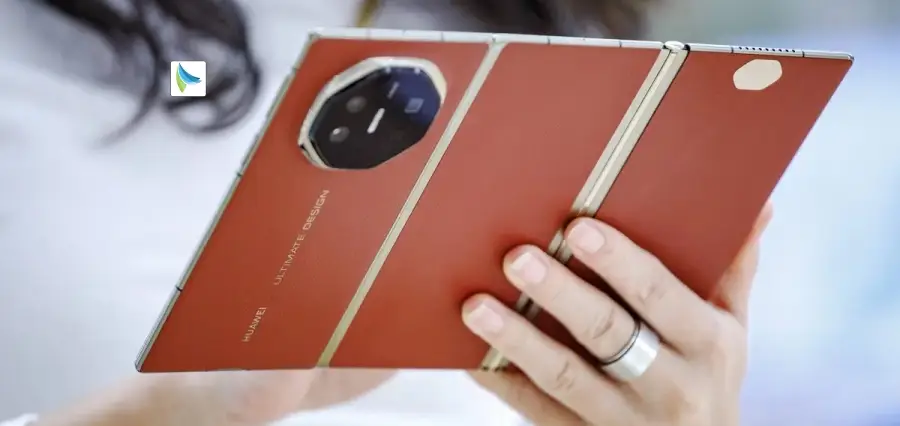
The Mate XT2 series folds out twice into a tablet-sized screen and runs on Huawei’s new Kirin 9050 Pro chip. Prices start from 19,999 yuan, about $2,980, with the top version priced at 24,999 yuan, around $3,725. Sales begin on September 12.
Huawei Executive Director Richard Yu told a press conference that the company adopted a lot of new technology to bring the series to market, noting that rising memory costs added pressure to pricing.
Huawei said the new chip’s design, called LogicFolding, delivers more computing power while using less electricity. The architecture forms part of the company’s “Tau Scaling Law” principle, unveiled in May to advance its chip technology.
Xiaomi is launching its own foldable phone later on Monday, and Apple will unveil its latest iPhone series, with many expecting a foldable model to be part of the lineup. Huawei currently stands as the only major brand selling a tri-fold phone.
The Mate XT2 features a redesigned folding mechanism, improved water resistance, a privacy screen that limits nearby viewing, and upgraded cameras, delivering 42 percent better overall performance than its predecessor, based on company tests.
Huawei leads China’s smartphone market with a 22.6 percent share in the second quarter, ahead of Apple at 18.1 percent and Xiaomi at 12.4 percent, according to IDC. Huawei also leads the folding phone segment, accounting for 68 percent of China’s shipments in that period, according to Smart Analytics Global.