


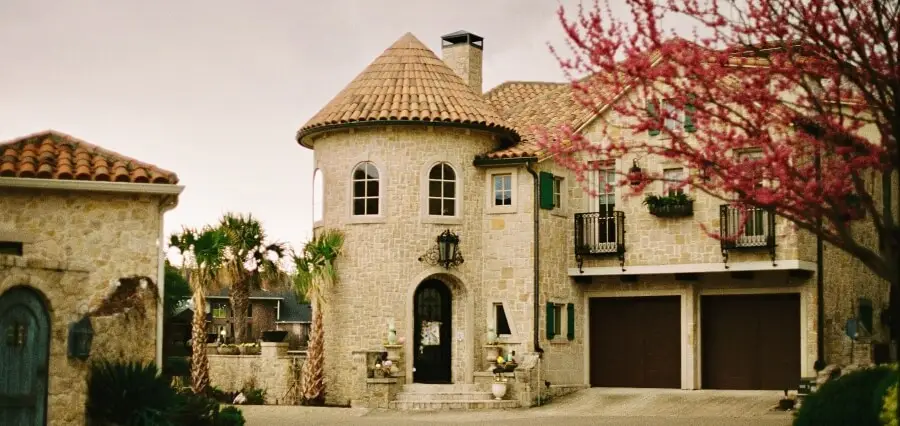

Every property decision eventually comes down to a set of smaller choices that most buyers and owners make quickly and then live with for decades. A floor plan gets approved in an afternoon. A color palette gets picked from a handful of samples. An exterior finish gets chosen because it looked good on a neighboring house.
These choices feel minor while they are being made, yet they end up shaping how a home looks, how it ages, how much upkeep it demands, and what a future buyer is willing to pay for it. Across Texas and in most other markets, the properties that hold their appeal are rarely the ones with the flashiest features. They are the ones where design, materials, and value were considered together rather than one at a time.
Getting better at these decisions does not require a background in construction or design. It requires a clear way of thinking about what each choice is actually buying you, and a willingness to slow down at the points that matter most.
The Building Blocks Behind a Lasting Exterior
The outside of a building takes more punishment than any other part of it, absorbing heat, rain, wind, and years of temperature swings without any chance to rest. Limestone has long been a favorite for exteriors because of that endurance, but owners often struggle to find a source that can match color, cut, and finish across an entire project, which leaves facades looking patched together instead of intentional.
Working with a dedicated natural stone supplier solves that problem, since a single supplier can hold consistent material through every phase of a build. Homeowners, builders, and designers who want that consistency work with Texas limestone from Eagle Stone Supply when the exterior needs to look right on the first day and every day after.
Why Design Choices Deserve More Attention Than Price Tags
Cost is the easiest thing to compare, which is why it dominates most conversations. Two options sit side by side, one is cheaper, and the decision feels settled. The trouble is that price only describes the moment of purchase. It says nothing about how a surface will look after ten summers, how often it will need attention, or whether it will still feel current when the property changes hands.
A more useful question is what the choice costs over the life of the building. A finish that needs repainting every few years carries a recurring bill that never appears on the original quote. A material that fades unevenly creates a repair problem that is harder to solve than the original installation. When these costs are counted honestly, the cheaper option frequently turns out to be the more expensive one.
What People Notice First on a Walk-Through
Attention follows a predictable path. Visitors register the approach, the entry, and the immediate impression of quality long before they open a cabinet or test a faucet. The first thirty seconds set the frame through which everything afterward is judged.
This argues for spending carefully rather than evenly. Money directed at the entry, the facade, and the main gathering spaces does more work than the same money spread thinly across every room. A property that makes a strong first impression is forgiven for small imperfections later. One that starts poorly has to fight for the rest of the visit.
Questions Worth Asking Before You Commit
A few plain questions prevent most expensive regrets. How will this look in five years without any intervention? What has to happen to keep it looking good? If part of it is damaged, can the repair be matched? Is this choice tied to a passing trend or to something that has held up across generations?
Owners who ask these questions before signing rarely find themselves undoing work later. Those who skip them often discover the answers at the worst possible moment, when a repair is urgent, and the original material is no longer available in the same run.
Working With Builders, Designers, and Suppliers
The people involved in a project shape its outcome as much as the materials do. A builder who has handled similar work knows where problems hide. A designer who listens closely produces something that fits the way a household actually lives. A supplier with real depth of inventory keeps a schedule from slipping when a shortage appears.
The relationship works best when it is treated as a conversation rather than a transaction. Explaining what you want the property to feel like, how long you intend to stay, and what level of upkeep you are willing to accept gives professionals the information they need to steer you correctly. Withholding that context leaves them guessing, and their guesses will be shaped by what is easiest rather than what is right.
Planning a Renovation That Holds Its Value
Renovation rewards sequence. Structural issues, drainage, and anything behind a wall come first, because work done on top of an unresolved problem has to be torn out later. Visible improvements come after, once the foundation of the project is sound.
It also rewards restraint. Highly personal choices can make a home a joy to live in and a challenge to sell. There is nothing wrong with that trade, as long as it is made knowingly. The mistake is assuming that every improvement returns its cost. Some do, some do not, and knowing which is which before the work begins is worth more than any single upgrade.
Thinking Beyond the Current Owner
The most useful habit in property decisions is imagining the next owner standing in the room. Not to strip a home of personality, but to keep a check on choices that only make sense from the inside of one household’s routine. A property that can be handed over without apology is one that has been built and maintained with judgment.
Design, materials, and value are not three separate subjects. They are three ways of looking at the same decision. Treating them together, at the moment the choice is still open, is what separates a property that quietly appreciates from one that quietly drains.