



Key Takeaways
- High-speed rail can expand access to jobs, schools, health care, and services across a wider region.
- Projects support both temporary construction work and long-term operations, maintenance, and careers at the station.
- Station districts need coordinated planning for housing, streets, transit, and small businesses.
- Communities can reduce displacement risks through affordability and tenant-protection policies.
- Reliable first-mile and last-mile connections are essential to making rail useful in daily life.
High-speed rail is often discussed as a faster way to travel between major cities, but its effects can reach far beyond the tracks. Large projects can influence where people live, how employers recruit, which businesses open near stations, and how communities plan for growth. Companies involved in major rail construction, including Tutor Perini, illustrate the range of design, construction, supplier, and workforce activity that can accompany these investments.
Still, faster trains do not automatically produce better outcomes. The benefits depend on practical details such as station locations, fares, local bus service, housing policy, public participation, and whether nearby streets are safe and convenient for people walking, biking, or using mobility devices.
Why High-Speed Rail Matters in 2026
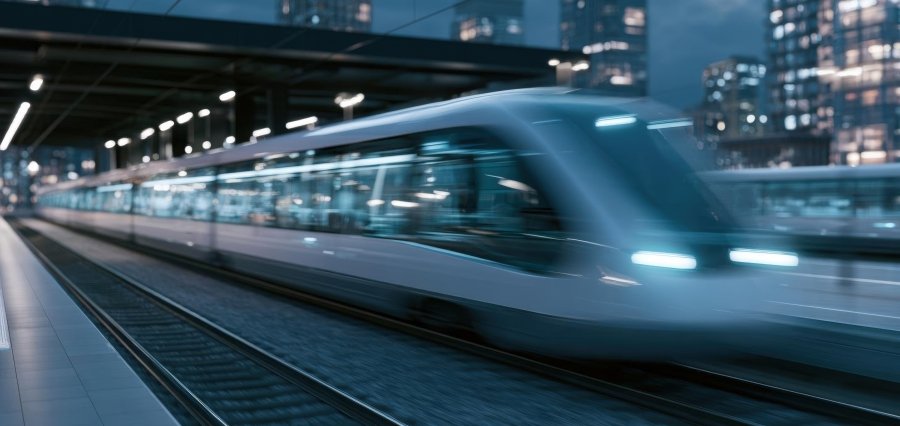
High-speed rail generally refers to intercity passenger service designed to move people substantially faster than conventional rail, often using dedicated infrastructure or upgraded corridors. Unlike local commuter rail, which typically focuses on repeated trips within a metropolitan area, high-speed service is intended to connect cities and regional centers. That can change the practical distance between communities by making more destinations reachable within a normal workday.
How Rail Changes Access to Jobs and Services
Shorter, more reliable trips can expand people’s options without requiring a move. Workers can live in smaller cities and commute by train to larger job centers; students can reach campuses and training, while patients, visitors, and small businesses can access specialized services and customers.
These benefits aren’t guaranteed. Stations far from jobs, poorly connected by bus, or hard to reach on foot can limit ridership and opportunity. Affordable fares, frequent service, easy transfers, and clear travel information help make rail part of everyday life.
Construction Jobs and Long-Term Careers
Major rail projects require many kinds of expertise. Early work can include surveying, environmental review, engineering, design, utility coordination, and property planning. Construction then involves earthwork, bridges, tunnels, track installation, electrical systems, signals, stations, and safety systems.
After opening, the system needs dispatchers, train crews, mechanics, electricians, cleaners, customer-service staff, security personnel, and managers.
What Happens Around a New Station
Stations can become focal points for homes, offices, hotels, restaurants, shops, and public services because they bring people together in a predictable place. However, a successful station district is more than a platform surrounded by parking. It should offer comfortable sidewalks, safe crossings, shade, seating, lighting, wayfinding, and accessible entrances.
Communities planning a station area should:
- Connect rail platforms with local buses and regional transit.
- Build safe walking routes and protected bicycle access where appropriate.
- Allow housing near groceries, child care, parks, and other daily needs.
- Preserve affordable commercial space for local businesses.
- Design for people with disabilities, deliveries, emergency access, and traffic management.
Housing, Land Prices, and Community Change
Improved transportation access can make land near a station more attractive to residents and businesses. That can support new housing and retail activity, but it can also place pressure on rents and long-established businesses. Communities that wait until land values have already risen may have fewer options for protecting residents.
Useful tools can include affordable-housing requirements, mixed-income development, tenant protections, public land strategies, community land trusts, and assistance for small businesses facing relocation or rising commercial rents. The goal is not to stop change, but to give current residents a meaningful chance to benefit from it.
Why Local Connections Decide Whether Rail Works
The first-mile and last-mile trip often determines whether a fast train is convenient enough to use. State and local leaders need coordinated transportation planning because state transportation policies must account for funding, local authority, road safety, transit service, and community needs. A reliable bus transfer, secure bicycle storage, accessible pedestrian route, pickup area, or small regional shuttle can matter as much as the train itself.
Environmental and Quality-of-Life Considerations
Convenient rail service may give some travelers an alternative to long car trips and certain short-distance flights. At the same time, construction can bring noise, dust, detours, property acquisition, and disruption to habitats or neighborhoods. Responsible planning considers both the temporary effects of building the line and the long-term travel patterns the service may encourage.
What Research Says About Regional Growth
Economic effects should be evaluated carefully rather than assumed. A review of the local economic impacts of high-speed railways found that construction effects are broadly recognized, whereas longer-term impacts vary with factors such as city size, local industries, amenities, and distance from urban centers. In practice, rail access can support growth, but it does not automatically create companies or permanent jobs.
Communities should distinguish among direct effects, such as project spending; indirect effects, such as supplier activity; and wider effects, such as changes in business location or household choices. Clear measurements are more useful than broad promises.
How to Measure Results After Opening
- Track ridership, travel times, and transfer reliability by station.
- Review local hiring, apprenticeship participation, and contract awards.
- Monitor housing costs, housing production, and small-business conditions near stations.
- Measure changes in traffic, safety, emissions, and access for low-income riders and people with disabilities.
- Collect feedback from residents, employers, riders, and nearby businesses.
Common Questions About High-Speed Rail
Does high-speed rail always create economic growth?
No. It can improve access and support development, but outcomes depend on demand, local connections, housing supply, workforce skills, and business conditions.
Will new stations make housing more expensive?
They can increase demand near stations. Housing production, affordability requirements, and tenant protections can influence whether growth includes existing residents.
How can communities share in the benefits?
Early public participation, local hiring, fair contracting, small-business support, accessible design, and anti-displacement planning can help distribute benefits more broadly.
Conclusion
High-speed rail can do more than reduce travel time. When paired with strong local transit, thoughtful station design, fair workforce practices, and housing protections, it can help regions become more connected and resilient. The strongest projects treat the train, the station, and the surrounding community as one system.