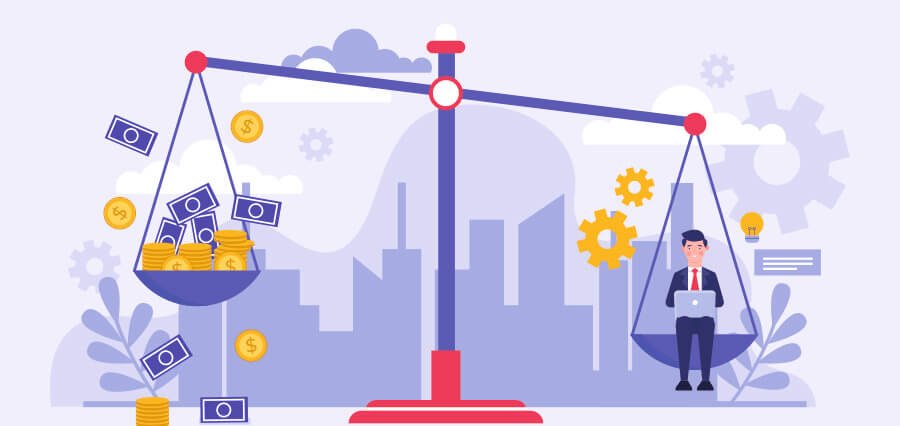





Global leaders today are redefining growth as economic uncertainty reshapes markets, supply chains, and long-term planning. Rather than pursuing rapid expansion alone, executives are focusing on resilience, financial discipline, and adaptability in volatile conditions.
Regional examples highlight this shift. In Colorado, businesses are facing growing tariff uncertainty. The state estimates show tariff rates rising sharply from 3 percent in 2024 to 21 percent in 2025. This may affect operating costs and investment confidence.
In such environments, growth becomes closely tied to risk management, capital planning, and informed decision-making. For many leaders, collaborating with local Colorado wealth management professionals can help bring additional clarity and structure to these financial considerations.
In this article, we’ll examine how global leaders are adjusting strategies and priorities to pursue sustainable growth amid ongoing economic uncertainty.
Shifting From Rapid Expansion to Resilient Growth
In an uncertain economy, global leaders are prioritizing resilient growth over aggressive expansion. They are strengthening core operations, diversifying revenue streams, and improving risk management.
An increased focus on supply chain flexibility, workforce upskilling, and data-driven decisions helps businesses absorb shocks. It also supports steady, sustainable performance despite prolonged global uncertainty.
McKinsey and Company reports that ecosystem building has become a critical pathway for growth and resilience across most sectors. Nearly 50% of resilience leaders actively pursue ecosystem strategies. These collaborative models help companies reduce risk, share capabilities, and sustain growth without relying on rapid expansion alone.
Using Data and Scenario Planning to Navigate Volatility
As volatility intensifies, global leaders rely on data analytics and scenario planning to guide flexible decisions. Real-time data, predictive models, and AI insights help anticipate disruptions and evaluate outcomes. By testing multiple scenarios, leaders adjust strategies quickly, optimize capital allocation, and manage risk while sustaining momentum in unpredictable global markets.
Forbes highlights that data-led companies are more innovative and better positioned to create new offerings. By optimizing processes, they improve efficiency while reducing costs. These insights also enhance the employee experience, support stronger talent acquisition and retention during volatile economic conditions.
Rethinking Capital Allocation and Financial Priorities
In an uncertain economic climate, executives are rethinking capital allocation to align business growth with broader wealth management goals. Rather than reinvesting aggressively, leaders are balancing expansion with risk diversification across assets, markets, and investment horizons. Greater emphasis is being placed on liquidity planning to preserve financial flexibility during downturns.
Many executives are also collaborating closely with trusted financial advisors to align corporate decisions with personal and organizational wealth strategies. According to WealthClarity, working with trusted financial advisors supports sustainable growth and protects long-term value. It also ensures capital is deployed strategically, strengthening resilience, stability, and informed decision-making in volatile global conditions.
Investing in Talent Agility and Leadership Depth
In an unpredictable economy, leaders understand that growth relies on agile talent and strong leadership pipelines. Companies are investing in upskilling, cross-functional roles, and succession planning. Building leadership depth reduces reliance on individual decision-makers and strengthens resilience. It enables faster execution, innovation, and sustained performance amid ongoing volatility.
HR Dive reported that productivity and leadership succession rank among the top business priorities for 2025. In a survey of 100 senior leaders, these areas stood out as critical for long-term stability. Nearly 70% cited engagement as a key outcome of employee development programs. It reinforces the value of investing in agile talent and leadership depth.
Balancing Innovation with Risk Management
Redefining growth demands a careful balance between bold innovation and disciplined risk management. In uncertain economies, leaders must continue innovating to avoid stagnation while avoiding reckless experimentation. The modern approach promotes calculated risk-taking, embedding innovation across the organization with clear guardrails, strong governance, and continuous iteration to manage exposure effectively.
Global leaders are using advanced analytics and scenario planning to model disruptions and allocate capital strategically. They invest in smaller, agile innovation bets while protecting core operations. This approach builds smart optionality, keeps organizations future-ready, and transforms risk management into a strategic enabler of sustainable growth.
Strengthening Partnerships and Advisory Ecosystems
In an uncertain economy, global leaders are strengthening partnerships and advisory ecosystems to boost resilience. Collaboration with strategic partners and trusted experts provides shared capabilities and deeper insights. These alliances support innovation, improve risk assessment, and help leaders adapt faster while building sustainable growth in complex global environments.
Deloitte’s decision intelligence research shows that high-performing organizations excel through stronger advisory and decision ecosystems. They are 22 times more likely to openly discuss decision strategies and nine times more likely to teach decision-making capabilities. These organizations also provide better tools, reinforced collaboration, clarity, and higher-quality decisions in complex environments.
Frequently Asked Questions
How does economic uncertainty change long-term leadership thinking?
Economic uncertainty pushes leaders to think long-term by prioritizing resilience, flexibility, and sustainability over short-term gains. It encourages cautious decision-making, diversified strategies, and stronger risk management. Leaders emphasize adaptable talent, financial discipline, and scenario planning to protect value and unlock future opportunities.
What common growth assumptions no longer hold in today’s economy?
Many leaders now recognize that assumptions of continuous market expansion and predictable demand no longer apply. Cheap capital and stable supply chains can no longer be taken for granted. Economic volatility and rapid technological change demand flexible, data-driven strategies focused on resilience over linear growth.
How can leaders communicate confidence during unpredictable periods?
Leaders communicate confidence during unpredictable periods by sharing transparent information, acknowledging risks, and outlining clear action plans. Consistent messaging, data-backed decisions, and visible accountability build trust. By demonstrating calm leadership, empathy, and adaptability, leaders reassure stakeholders while reinforcing belief in the organization’s long-term direction.
Redefining Growth for a Resilient Future
In an era of persistent uncertainty, global leaders are reshaping growth by prioritizing resilience and adaptability over rapid expansion. Long-term value creation now outweighs short-term gains. Disciplined capital allocation supports financial stability. Data-driven planning and agile talent strategies strengthen decision-making.
Together, strong advisory ecosystems and resilient operations help organizations navigate volatility with confidence and achieve enduring success in a changing global economy.