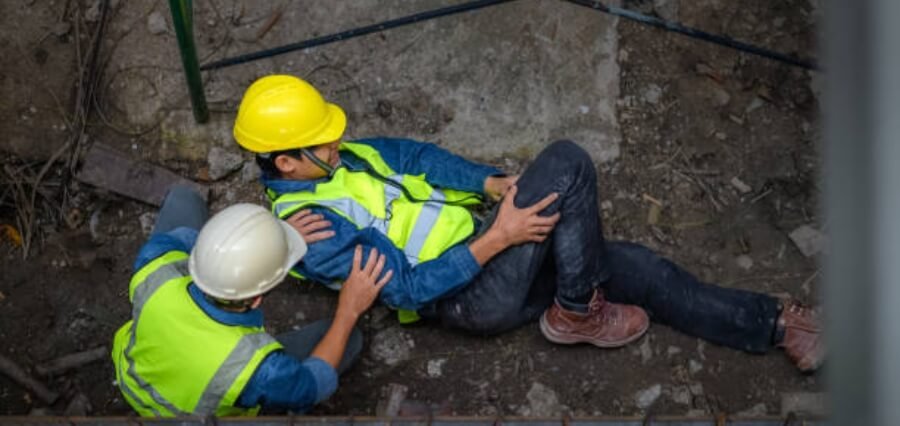




Industrial workers are exposed to hazardous conditions every day. Many work with high temperatures, heavy machinery, and volatile chemicals that can pose serious risks if proper safety measures are not followed. To protect workers in these environments, federal regulations require employers to implement safety equipment, provide training, and follow established safety procedures.
Workplace safety violations in refineries can lead to catastrophic injuries, damage to equipment, and even fatalities. Evidence of safety violations can show that an employer acted negligently, strengthen an injured worker’s claim, increase the potential value of compensation, and even provide a basis for claims against other responsible parties.
Understanding workplace safety standards can help workers recognize when an employer may have failed to provide a safe work environment and what legal options may be available after an accident.
Industrial Safety Requirements
The Occupational Safety and Health Administration outlines a list of safety regulations that industrial employers are required to follow in order to protect the health and well-being of workers.
Here are the main guidelines:
- Personal Protective Equipment: Employers are required to provide adequate protection from hazards, including protective helmets, gloves, and eye protection.
- Hazard-free Workplace: Work environments must be kept free of hazards that could endanger the lives of workers, like loose scaffolding, unmarked dangers, including chemical substances or physical obstacles.
- Communication Procedures: Industrial employers are required to have in place procedures to communicate hazards, including labelling, adequate training, and safety procedures.
- Machinery Safety: Heavy machinery must come with adequate labelling about how to operate and have built-in safety features to prevent grave injuries in case of errors.
- Injury Reporting: Employers are required to record and report any incidents of injury on site, and provide adequate assistance to injured workers.
The Impact of Violations on Industrial Claims
Workers who are injured on the job have a right to pursue compensation, especially if their injuries occurred due to the negligence of an employer or other entity. Here’s how safety violations can change a claim:
Serves as evidence of rule breaking
Firstly, OSHA and other government entities provide standards that industries are required to follow. Failure to adhere to those regulations can serve as evidence that an employer failed to maintain a safe working environment.
In other words, if safety procedures were ignored and a worker was injured as a result, the violation may help demonstrate that the accident could have been prevented.
Safety Reports and Investigations
Safety reports and investigations can play an important role in industrial injury claims. After a serious workplace accident, regulatory agencies such as OSHA often conduct investigations to determine whether safety violations occurred.
Inspection findings, safety reports, and official citations can be used as evidence to show that proper procedures were not followed. These documents may help injured workers prove that unsafe working conditions contributed to the accident.
Increases the value of a claim
Safety violations can increase the value of a claim. For example, if it is found that an employer failed to provide adequate safety equipment, or was aware of a hazard—such as exposure to dangerous chemicals—and failed to warn or protect workers, this may strengthen a worker’s case.
Workers may be entitled to compensation for medical treatment, lost wages, and the long-term impact the injury may have on their health or ability to work.
Third-Party Claims
In addition to claims involving employers, workers may also bring claims against equipment manufacturers, contractors, or other parties involved in the workplace. For example, if an equipment manufacturer failed to provide adequate labelling or safety mechanisms, a worker may pursue a claim for injuries caused by unsafe equipment.
Another example would be a claim against site management if they failed to clear debris or properly mark dangerous areas, such as pits or unstable scaffolding. In these situations, third parties may be held responsible for injuries caused by hazardous working conditions.
Final Thoughts
Industrial injuries can result in long-term health complications that require extended hospitalization, costly medical treatment, and may affect a worker’s future employment prospects.
Understanding the safety regulations that employers are required to follow can help injured workers recognize when those standards have been violated. When workplace safety violations contribute to an accident, they may play an important role in helping workers pursue compensation that adequately covers their medical expenses, lost wages, and other damages.
Key Takeaways
- Industrial workplaces are dangerous, which is why employers must follow OSHA safety regulations.
- Workplace safety violations in refineries can lead to serious injuries, accidents, or fatalities.
- Safety violations can serve as evidence that an employer failed to provide a safe work environment.
- Safety reports, inspections, and OSHA investigations can help prove that violations occurred.
- Injured workers may pursue compensation from employers or third parties responsible for unsafe conditions.