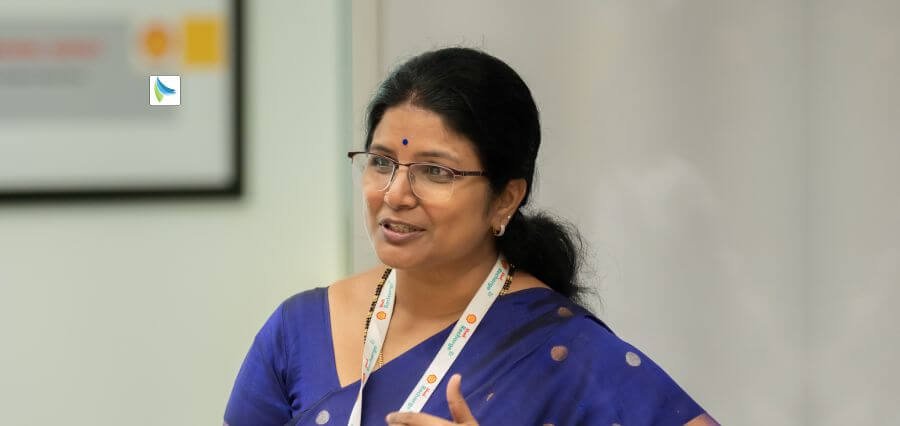




The New Face of Influence
The new face of influence is transforming leadership and organizational culture in a manner that has never been done. Today, leaders no longer only make decisions, but they relate, share and innovate. Formal hierarchies are being replaced by fluid and more inclusive frameworks where power does not exist in a title but rather with the capacity to influence, empower and produce significant change. This change will enable organizations to develop resilient, agile and customer-oriented cultures.
The Role of Culture in Driving Influence
Culture has come out as a decisive element in creating the new face of influence. Open, participative and adaptive work cultures promote trust, participation and innovativeness in the workplace whereby employees can share their best concepts without fear of discrimination and censorship. The opportunity to cross over traditional boundaries enables teams to work across functions and geographic boundaries and increases the overall impact of teams of people and organizations. Simply put, the most effective leaders who have been found in the recent past are those that use culture as a multiplier of force as opposed to using authority.
AI-Powered Retail and the Leadership Shift
The technological change, especially AI-powered retail, is transforming the way leaders can influence, both internally and externally. Analytics and consumer insights delivered by AI enables leaders to make decisions that are faster and smarter and deliver personalized experiences at scale. In retail, this refers to the predictability of customer demands and the optimization of supply chain, and the development of seamless omnichannel experiences. The leaders who adopt AI-powered tools are not only enhancing efficiency in their operations but also exert an innovative influence that will be an example of an innovation-driven culture in the entire organization.
Breaking Barriers Through Collaboration
The new face of influence is tightly connected with teamwork. Leaders foster an organization sharing of ideas, assumptions and solutions by proactively breaking down barriers, whether in an organizational, hierarchical, or technological way. This team spirit promotes innovation and responsiveness, especially in such industries as retail where the trends are changing very fast. This is supported by AI-driven retail systems which deliver real-time data, predictive metrics, and automated insights to drive strategic decisions. Combined, technology and culture of collaboration will help to redefine the concept of leading with influence.
Ethical Leadership in the Age of Technology
With the inclusion of AI and other emerging technologies in the set of leadership strategies, the issue of ethics becomes significant. The leaders should make sure that the implementation of the AI-powered retail and other data-driven tools should be done in a responsible manner to balance between business objectives and transparency and fairness. The new face of influence dictates that leaders need to be custodians of culture and technology, making the innovations not interfere with ethical practices. The credibility and reach of the influence of leaders can be enhanced by establishing trust and accountability which helps organizations become stronger.
Measuring Influence Beyond Authority
In the culture of influence, traditional measures of leadership, like rank or tenure, become less important in the age of influence. The modern-day metrics of impact are the capacity to motivate other people to participate, act, and produce concrete results. In the case of AI-based retail, successful leaders that can convert insights into strategic actions based on the data they have will value detectable advantages, which affect consumer satisfaction as well as organizational success. Busting such traditional boundaries will make leadership to be known as a result and not a title.
Preparing for the Future of Influence
In the future, the new face of influence will be characterized by flexibility, understanding, and technical proficiency. The leaders should keep breaking down disciplinary, geographical, and generational boundaries to design inclusive places that foster talent and innovation. There will also be an increased capacity to make decisions thanks to AI-based retail solutions, as it will allow leaders to predict any change in the market and react in a timely manner. In conclusion, the concept of influence in the modern world is the ability to drive people and technology towards the same goals, sustainable development, and the creation of a culture that would flourish on cooperation and innovation.
Conclusion
The future of leadership and culture requires organizations to adopt the new face of influence to dismantle the old boundaries and incorporate AI-driven technologies into the decision-making and operations. Innovating, developing, and achieving sustained success by inspiring people through the development of inclusive, transparent, and ethical cultures, leaders can influence them even more than they can influence them with formal authority. Organizations that are able to change will continue to be competitive and culturally diverse in a world where power is gained through doing, understanding, and teamwork.