


Chronic illness isn’t winning because we lack the medicine to fight it. It’s winning because we keep treating symptoms while ignoring what creates them in the first place. The environment people live in, the food they can afford, and the stress they carry daily shape health outcomes more powerfully than any prescription ever will. Closing that gap requires something medicine schools rarely teach: the ability to sit with someone’s lived reality and actually understand it.
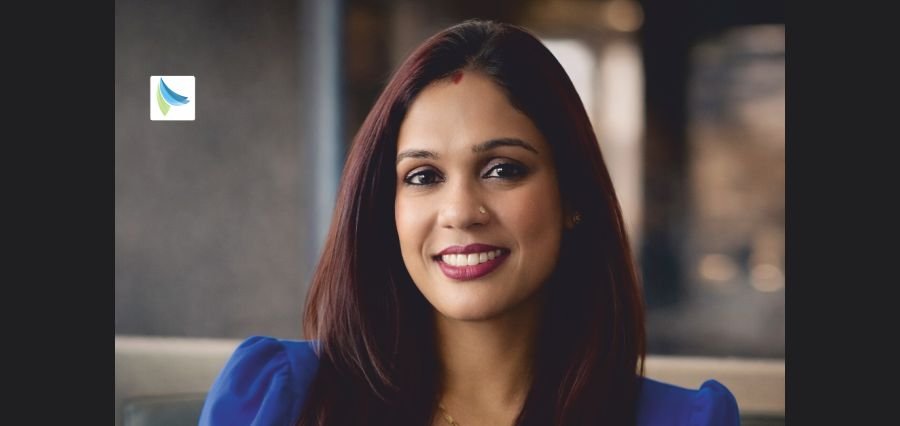
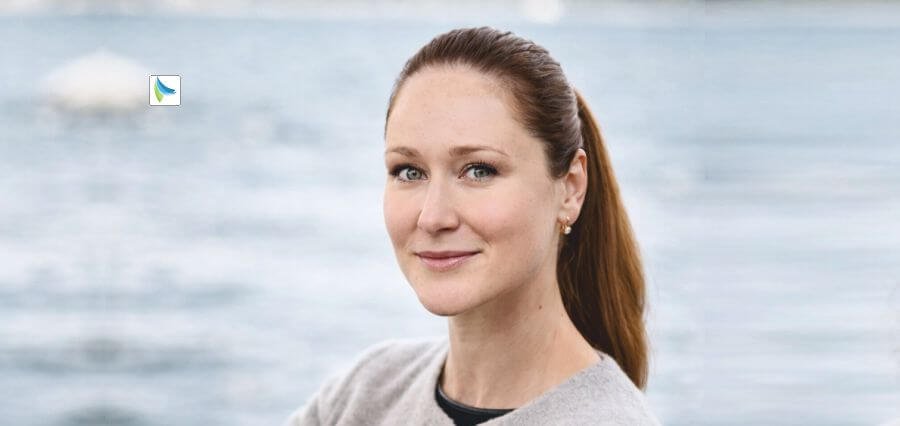
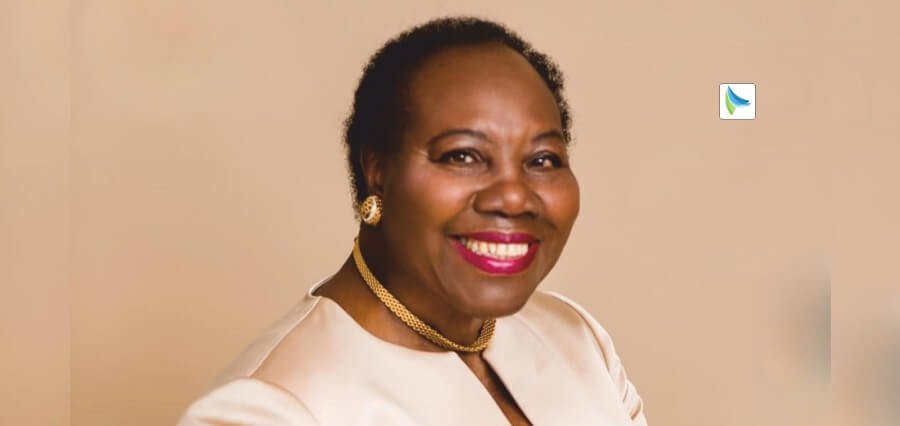
Agnes George has spent thirty years doing exactly that. As a Health Strategist, Transformation Leader, and International Speaker, she has built a career at the intersection of clinical evidence and human experience. She has led organizational change at the highest levels, taught health and social care, and earned recognition for her advocacy work between 2022 and 2026 — not by following conventional paths, but by questioning them.
What drives her is straightforward: health is a right, not a privilege. Agnes saw early in her career that postcode, income, and social standing frequently determined a person’s health long before any doctor entered the picture. That realization didn’t discourage her; it focused her. She became a consistent, practical voice for communities that rarely get heard in the rooms where health policy is shaped.
Agnes doesn’t just theorize about health; she drives actual change. Her work transforms how organizations approach prevention, equity, and long-term well-being. Rather than observing the future of healthcare from afar, she is actively building it through every conversation and community she touches.
Let’s explore how Agnes is redefining global wellness, bridging clinical expertise with strategic action to forge a healthier future!
The Shift from Clinic to Coaching
The path from the exam room to the global stage is often paved with personal realizations about how the world works. Agnes reflects that “the transition from clinical practice to global health advocacy and transformation coaching is often shaped by experience and expands my perspective, deepens empathy, and prevents systemic health inequalities.” For those who have spent years caring for patients, there usually comes a moment when they realize the walls of a clinic are too small to address the root causes of suffering. She found that her path was shaped by a growing awareness of the structural barriers that define the patient experience.
Advocacy for Global Health Equity
She believes that “working with low-and middle income clients can be transformative” as it highlights the stark reality of how environment dictates longevity. These settings serve as a testing ground for leadership, forcing a professional to look past symptoms and see the social and economic problems that hurt communities. In these places, health is seen as a human right that must be protected. This focus inspires a move into coaching, where the goal is to give clients the power to improve their own healthcare outcomes. These experiences are essential qualities for global health leadership and transformational coaching because they provide the grit and insight needed to make a real difference.
The Mechanics of Modern Education
Understanding the human impact of health whilst motivating one to advocate for systemic change requires a deep look at how we teach and treat people. As a strategist, she notes that health education is now happening on a global scale, which has created new requirements for professionals. We no longer live in bubbles; the health problems in one part of the world are linked to migration and economic shifts. This requires health professionals to communicate well across different cultural and linguistic backgrounds. Closing communication gaps is not just about translating words; it is about the cultural nuances that change how a person thinks about wellness. She emphasizes that “Health education is essential for ensuring safe and accurate care, bridging communication gaps, and improving clients outcomes.”
Reversing Chronic Disease
With over three decades of healthcare experience, the understanding of the mind and body has moved to the center of innovation. We now know that the food we eat and the way we think have a direct impact on our health. Agnes shares that “Type 2 diabetes can be delayed, prevented and reversed, by making simple lifestyle choices in one’s everyday life.” This is a huge idea in a world that often prefers to just give out a pill for every problem. By focusing on things we can change, people can avoid the trap of chronic illness.
Reclaiming the Joy of Healthy Eating
While certain factors like aging, ethnicity background, or family history of diabetes could be changed, she points out that others can be changed by food choices. The power of what we eat is the most underrated tool in medicine. Taking the first steps can be as simple as looking at local markets and finding healthy options. She reminds us that “Eating healthily does not mean that people have to miss out on the nutritious, lovely taste of foods.” It is about learning to enjoy cooking again. When you control the ingredients, you control your energy levels. A balanced diet changes more than just your weight; it decides how much energy one has every day and shapes the quality of your whole life.
Overcoming Psychological Obstacles
Many people know exactly what they should do for their health, but they fail to take action. This gap between knowledge and action is where the real struggle happens. From her experience, the real psychological barriers that stop people from changing are often perceived barriers which she defines as “obstacles that we think are preventing us from achieving a goal, even if they are not as significant as we believe.” These can be social or environmental factors that seem huge in our minds, creating a paralysis that stops progress. To beat these, a person must connect their goals to a deeper meaning. She maintains that “Believing in self-efficiency and one’s capabilities to succeed through challenges is key to goal achievement.”
The Pillars of True Transformation
A successful transformational journey from a perspective goes beyond just measuring physical metrics. True transformation requires strategic alignment, which means making sure every change you make helps your long-term goals. There must be a clear reason for why you are changing. Without a vision, lifestyle changes usually do not last. Matching your environment and your values with your efforts to change is vital. She explains that “Aligning culture and values with the transformation efforts to create a supportive environment to change” is essential for success. We do not live alone, and if the culture around us does not value health, our individual efforts will eventually fail.
Persuading Organizations for Prevention
Prevention is often less prioritized than treatment, a challenge that requires strategic persuasion. To encourage organizations to invest in preventive health, she believes it is essential to “demonstrate leadership by implementing bold interventions to tackle key preventable drivers of ill health, such as smoking, alcohol consumption, outdoor air pollution and obesity.” She emphasizes that highlighting long-term benefits is key. She reminds audiences to “emphazize the cost effectiveness of preventive measures compared to treatment,” which leads to significant health savings over time.
Cultural Competence in Global Health
Working with international audiences requires a deep understanding of how cultural beliefs influence attitudes toward health. Global migration is higher than ever, bringing challenges to healthcare provision. She notes that “An awareness of one’s own cultural beliefs, values attitudes and practices must be identified” as a necessary first step. This awareness allows for culturally sensitive communication. Furthermore, she states that “Having trained professional interpretors directly participating in conversations with clients” is crucial for fostering trust.
Bridging Gaps in Professional Education
As a lecturer in health and social care, she identifies specific gaps in preparing future professionals for the lifestyle disease epidemic. She advocates for ensuring “equality in health and social care ensures that everyone has fair access to services and treatment, regardless to personal circumstances or background.” As the population ages, the demand for specialized care grows. She highlights that “future professionals will need to be prepared to handle in the increased complexity of care for older adults.”
The Intersection of Science and Technology
Looking toward 2026, the mix of behavioral science and coaching will change how we lead in global health. She predicts that “by combining empirical behavioral insights with intersectional sensitivity and digital augmentation, future coaching paradigms are likely to deliver highly personalized equitable, and pre-emptive interventions.” She emphasizes that using AI to look at data allows us to “refine interventions in real time.”
The Principle of Self-Care
If you want to know the absolute best advice for the women leaders of the future, it is this: taking care of yourself is not a luxury, it is a hard requirement for being a good leader. True leaders are redefining what work-life balance actually means. Agnes shares that “the principle that emerging women leaders should prioritize selfcare is essential for their personal well being and professional excellence.” The truth is, leaders who are healthy and genuinely happy are much better at inspiring their teams. When you invest in your own personal well-being, you are actually investing in your leadership excellence. By taking care of themselves first, leaders set a powerful example for everyone else. Agnes concludes that “Investing in personal well-being is an investment in leadership excellence.”
Agnes’s life and work prove the power of making a real change. From working in a clinical setting to speaking on the global stage, she has shown that combining genuine empathy with smart strategy can truly change the world’s health. Her journey is a vital reminder that while the future certainly has many challenges, our ability to innovate and truly care for each other is even stronger.