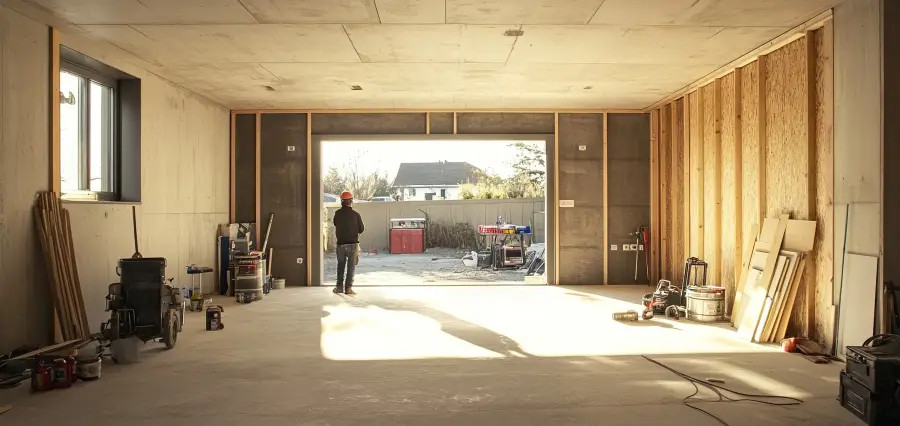




Garage renovations create a distinctive mix of waste because the space often serves several purposes at once. It may function as vehicle storage, a workshop, a utility area, and a long-term storage zone. Once improvement work begins, old shelving, damaged workbenches, flooring materials, wall panels, packaging, and construction debris can quickly compete for limited working space.
Unlike ordinary garage decluttering, renovation waste follows the construction process. Existing fixtures may need removal before wall, floor, electrical, or storage improvements can begin, while tools and usable belongings still need protection throughout the project. A structured waste plan keeps demolition materials separate from equipment that will return to the finished garage.
Homeowners considering ACR Dumpsters can start by identifying the renovation stages most likely to generate bulky or mixed debris. Planning around the actual work sequence helps determine where discarded material should go without interfering with tools, vehicles, or incoming supplies. The objective is to preserve enough usable space for the project to progress efficiently.
Divide the Garage Into Working and Storage Zones
Before demolition begins, decide which areas will remain available for tools, materials, and household belongings. Trying to renovate around an unorganized collection of stored items makes every task more difficult. A temporary zoning system gives each category a defined place.
Keep tools and reusable supplies away from demolition debris. Items that must remain in the garage can be grouped in a protected section that workers will not need to cross repeatedly. If the entire garage requires renovation, some belongings may need temporary storage elsewhere.
The waste route should be equally clear. Workers need a predictable path from the active renovation area to the exterior without stepping around boxes or equipment. Establishing this route early prevents debris from spreading into every available corner.
Remove Built-In Storage in a Planned Sequence
Old shelving, cabinets, pegboards, and workbenches often become part of a garage renovation. These features can be bulky even when individual components are not especially heavy. Removing everything simultaneously may create a large pile that limits the remaining workspace.
Begin with fixtures located in the first active work zone. Once those components have been removed and the area is cleared, renovation can proceed without unnecessary obstruction. Other storage systems can remain temporarily available until their section of the garage is ready.
Empty Storage Units Before Dismantling Them
Shelving and cabinets should be emptied before removal begins. Hardware, tools, automotive supplies, and household products can otherwise become mixed with construction debris. Sorting contents first also helps identify products that may require separate disposal.
Reusable components should receive a clear destination. If shelves or cabinets will be installed elsewhere, label and protect them rather than placing them near waste. Clear separation reduces accidental disposal as the project becomes busier.
Treat Flooring Removal as Its Own Work Phase
Garage flooring projects can generate debris with different characteristics depending on the existing surface. Old tiles, coatings, damaged sections, adhesives, or other materials may require specific preparation and handling. The contractor should identify what will be removed before work starts.
Flooring debris also affects movement because demolition occurs across an area normally used for walking and staging materials. Work in controlled sections where appropriate so that debris can be collected before the next area is opened. Allowing loose material to remain across the floor creates unnecessary obstacles.
Dumpster rental service in Detroit can be considered after homeowners understand the main materials the renovation will produce. Describing flooring, cabinetry, wall materials, and other debris provides better planning information than simply stating that a garage is being remodeled. Different improvements can create substantially different waste streams.
Keep Workshop Tools Protected From Construction Debris
Garages used as workshops may contain saws, drills, hand tools, compressors, chargers, hardware, and other equipment. Construction dust and loose debris can make these items harder to organize and may interfere with normal use. Tools should not remain scattered around active demolition zones.
Choose a protected location for equipment that workers will continue using. Frequently needed tools should remain accessible without being mixed with stored household belongings. Less essential equipment can be boxed or relocated until the renovation is complete.
Small hardware requires particular attention. Screws, nails, brackets, blades, and fasteners can easily disappear into demolition material. Containers for reusable hardware help prevent useful pieces from being discarded accidentally.
Separate Old Materials From Incoming Supplies
Garage renovations frequently require new shelving, wall panels, flooring products, lighting components, storage systems, or work surfaces. These materials need clean staging space before installation. Placing them beside outgoing debris increases confusion and repeated handling.
Designate one area for incoming supplies whenever space permits. Keep packaging intact until materials are needed, particularly when the garage remains exposed to dust from demolition. Workers should be able to reach new products without crossing waste piles.
Packaging should be removed regularly as installation progresses. Cardboard, wrapping, protective foam, and other materials can consume substantial floor space when left unattended. Managing packaging prevents the project from appearing cluttered even after major demolition is finished.
Check Stored Garage Products Before General Disposal
Garages commonly contain products that should not automatically enter a general renovation waste stream. Paint, automotive fluids, batteries, chemicals, fuels, pesticides, and unidentified containers may have specific handling requirements. Renovation provides an opportunity to identify these materials before they become mixed with debris.
Keep questionable products in a separate, clearly defined location while appropriate disposal requirements are confirmed. Original labels should remain visible when possible. Combining unknown products or transferring them into unmarked containers makes safe identification more difficult.
Homeowners working with ACR Dumpsters should confirm acceptable materials before loading renovation waste. Knowing the requirements in advance allows restricted or questionable items to follow another suitable disposal route. This separation is particularly useful when a garage has accumulated products over many years.
Maintain Access to Essential Household Equipment
Many garages contain more than vehicles and tools. Electrical panels, water heaters, utility equipment, freezers, storage doors, or other household systems may remain in use throughout the renovation. Debris and construction supplies should not make these features difficult to access.
Identify essential equipment before establishing work zones. Leave appropriate access around anything that may require normal operation, inspection, or service during the project. Temporary convenience should not create a larger household problem.
The same thinking applies to doors and exits. Garage-to-house entrances, exterior doors, and frequently used pathways should remain reasonably clear. Renovation materials can shift quickly, so access needs to be checked throughout the project rather than only on the first day.
Coordinate Vehicle Parking Before Work Begins
A garage renovation usually removes at least some vehicle space temporarily. Homeowners should decide where cars will be parked before demolition begins, especially when the driveway will also support contractors, material deliveries, or waste removal. Competing uses can create avoidable congestion.
Consider the complete project schedule. Certain days may involve larger deliveries, while others require additional contractor vehicles or equipment. A parking arrangement that works during demolition may need adjustment during installation.
Keep driveways organized enough for materials to enter and debris to leave. Avoid creating temporary piles in locations that later need to support deliveries or pickup access. Planning these movements in advance reduces unnecessary relocation of heavy materials.
Use End-of-Day Cleanup to Protect Progress
Garage projects can become difficult to restart when each workday ends with tools, debris, and packaging scattered throughout the space. A short cleanup routine preserves the organization established at the beginning. Loose material should move toward its proper destination before workers leave.
Return reusable tools and supplies to designated zones. Sweep or collect smaller debris where appropriate, and make sure important pathways remain open. This routine also makes it easier to identify unexpected materials requiring separate handling.
Progress should create more usable working space rather than simply shifting debris from one side of the garage to another. Regular cleanup makes completed areas visible and keeps later renovation stages from inheriting unnecessary disorder.
Finish the Renovation With a Detailed Garage Inspection
Once construction is complete, inspect more than the newly renovated surfaces. Check corners, shelving areas, driveway edges, workbench locations, and temporary material-staging zones. Small fasteners, packaging pieces, and construction scraps can remain after larger debris has disappeared.
Review stored belongings before returning everything to its permanent location. Items should go back according to the new organization plan rather than recreating the same crowded arrangement that existed before renovation. The finished garage should remain functional after tools and household supplies return.
A well-managed garage renovation depends on coordinating waste removal with demolition, storage, utilities, parking, and installation. Separating work zones, protecting equipment, controlling mixed materials, and maintaining daily cleanup keeps the project organized from beginning to end. Thoughtful debris planning allows the renovated garage to emerge as a usable space instead of requiring another major cleanup after construction is finished.