
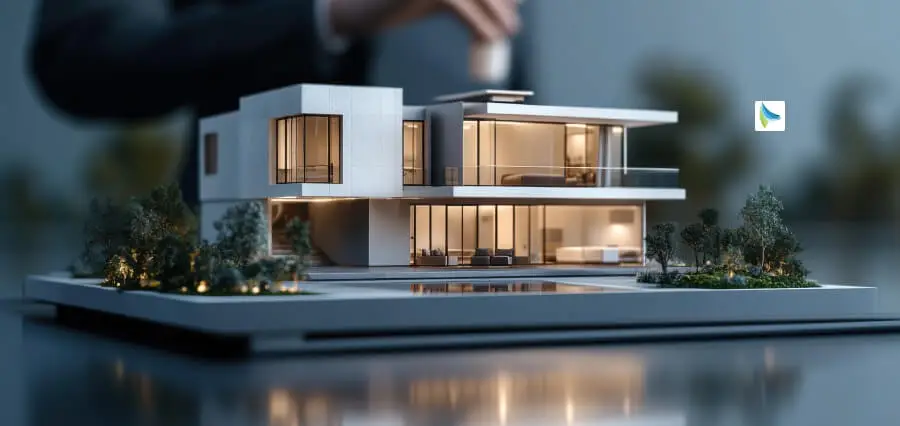


Redefining Luxury Living
For a long time, a high-end home was measured by its size and its address. A large residence in a well-known district was regarded as sufficient evidence of success. Buyers now approach the matter differently. They wish to understand how a property will suit their daily routines and whether it will support the manner in which they work and rest. Luxury real estate has begun to respond to this expectation, and in doing so it is changing what high-end property is understood to mean.
From Status to Daily Comfort
Prestige still matters, but it no longer settles the question. Buyers at the upper end of the market now look closely at how a property feels to live in. Natural light and quiet count for more than ornament, and so does ease of movement from room to room. Developers have noticed. Many now design homes around comfort first and display second. Luxury real estate of this kind values good planning over visible excess.
Space for Work and Home Together
The rise of remote work has changed what people expect from a residence. A home may now need a proper office, set apart from the main living areas. Buyers want rooms that can serve more than one purpose, and they want privacy for calls and focused tasks. Designers have answered with flexible layouts that can change as a household changes. This is a notable shift for luxury real estate, since formal rooms that were once used rarely are being replaced by spaces used every day.
Health and Well-Being at Home
Interest in personal health has grown, and homes now reflect it. Buyers ask about air quality and access to outdoor space. Many want areas for exercise inside the property itself, along with quiet rooms for rest. These features were once treated as extras. Now they often decide whether a buyer goes ahead with a purchase.
Privacy and Security
Privacy has always been part of high-end living, but expectations have grown. Buyers want discretion in how they arrive and how they are seen. Secure entry and thoughtful placement of windows and gardens help to achieve this. Modern systems can protect a property without making it feel like a fortress. Careful design balances safety with a welcoming atmosphere and luxury real estate that gets this balance right earns lasting trust from its owners.
Technology That Stays in the Background
Technology is now expected in a high-end home, yet buyers are wary of complication. They prefer systems that work quietly and are easy to use. Lighting and temperature can be managed with little effort, but the owner should never feel controlled by the equipment. Good design hides the machinery and keeps the home feeling natural. Systems also need to be maintained and updated, so careful buyers consider long-term support as well as first impressions.
Sustainability and Responsible Building
Concern for the environment has reached the top of the market. Buyers ask how a home uses energy and what materials went into it. Efficient design lowers running costs and reflects personal values. Developers who build responsibly often find that these qualities attract serious attention. Luxury real estate is no longer judged only by what it displays. It is also judged by how responsibly it was made.
Location Redefined
Location continues to carry considerable weight, although its meaning has changed. In earlier years, buyers sought a central address above all else. Many now give greater value to quiet surroundings and proximity to natural space, so long as travel remains convenient when required. Some are looking beyond the major cities toward smaller towns that offer more room and less noise. Developers have responded to this shift. Areas that high-end builders once overlooked are now receiving attention, and the more careful among them study the local character of a place before work begins.
Serving a Younger Group of Buyers
A new generation of buyers is entering the market and their expectations differ from those before them. They tend to favor simplicity and flexibility over formality. They also care about the story behind a property and the reputation of the people who built it. Sellers and agents must communicate honestly and clearly, since these buyers research thoroughly before they act. A polished presentation will not replace straight answers.
Looking Ahead
Lifestyles will keep changing, and homes at the top of the market will change with them. The most successful properties will be those that respond to real daily needs rather than to passing fashion. Builders and sellers who listen to buyers will be better placed to meet them. In the end, luxury real estate is shifting from a symbol of status to a setting for a well-lived life. That change asks more of those who build and sell, but it also leads to homes that serve people better.