




Losing several teeth can affect far more than the appearance of your smile. It may change how you chew, speak, and feel in social situations. Full-arch replacement restores an entire row, but involves surgery, healing, and long-term care. In Lantana and the wider South Florida area, patients considering this option should understand the choices, limitations, and responsibilities before committing.
Why Replacing a Full Arch Is Different
When most or all teeth in an arch are missing or failing, the challenge is not simply filling gaps. Tooth loss can affect chewing efficiency, speech, facial support, and the jawbone. A conventional removable denture replaces visible teeth, but it may move during eating or speaking and can cause sore areas as the mouth changes.
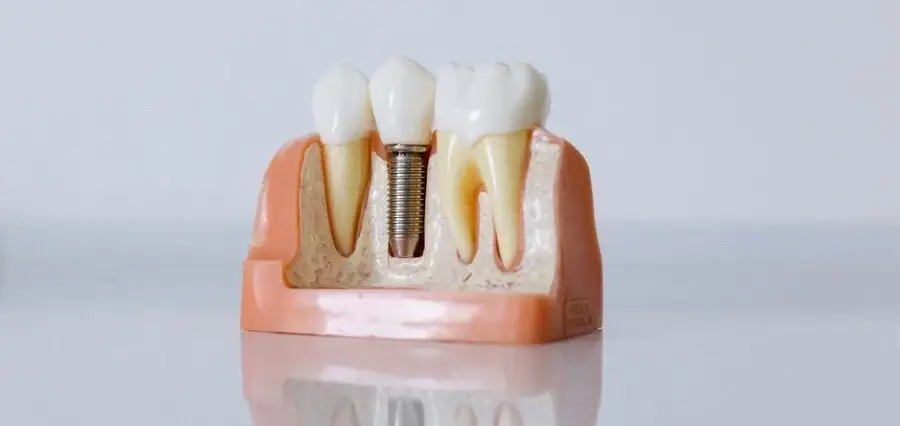
An implant-supported restoration uses implants to support a fixed bridge. It can improve stability, but is more involved than replacing one tooth. Bone volume, implant positioning, bite forces, gum health, and the design of the final bridge all need to be considered.
Removable dentures and conventional bridges remain alternatives for some people, depending on health, anatomy, budget, and preference. A consultation should compare these choices rather than presenting implants as the only solution.
How the All-on-4 Approach Works
The All-on-4 concept uses four implants to support a fixed full-arch prosthesis. Typically, two implants are placed toward the front of the jaw and two toward the back at an angle. The angled placement can make use of available bone and may reduce the need for certain grafting procedures in selected cases. It does not mean every patient can avoid grafting or qualify for this approach.
When considering All-on-4 dental implants in Lantana, there are several treatment options, so ask how the proposed implant positions, temporary teeth, and final restoration will be planned for your anatomy. Some patients receive a temporary fixed prosthesis soon after surgery, but immediate teeth are not appropriate in every case. The implants still need time to integrate with the jawbone before the definitive restoration is fitted.
Candidacy Depends on More Than Missing Teeth
People with extensive tooth loss, failing teeth, or difficulty wearing conventional dentures may be candidates. However, a consultation must assess general health, gum condition, bone volume, bite, medications, and ability to maintain the restoration.
A three-dimensional scan may help the clinician evaluate bone dimensions and the location of structures such as nerves and sinuses. Active gum disease or infection generally needs attention before implant placement. Smoking, poorly controlled diabetes, certain medications, and teeth grinding can affect healing or long-term outcomes. They may change the timing, design, or suitability of treatment.
The U.S. Food and Drug Administration’s patient guide to dental implants outlines potential benefits, risks, and questions to discuss with a dental professional. Ask which implant system is being used and keep its details for your records.
Understand the Surgery and Healing Period
Treatment may involve removing teeth that cannot be restored, placing implants, and fitting a temporary prosthesis. The sequence depends on your oral health and whether implants achieve enough stability for immediate loading. Sedation options vary by practice and patient.
Swelling, bruising, tenderness, and temporary changes in eating are possible after surgery. Your clinician will provide instructions about medication, cleaning, activity, and follow-up. A soft-food diet is commonly recommended during early healing, and hard or sticky foods should be avoided until you receive clearance. Do not assume that receiving temporary teeth means the implants are fully healed.
Contact your dental team promptly if you experience worsening pain, unusual swelling, fever, persistent bleeding, or movement in the temporary restoration.
Compare the Full Cost, Not Just the Initial Quote
A full-arch estimate may include consultations, imaging, extractions, sedation, implants, temporary teeth, the final bridge, and follow-up appointments. Quotes may bundle these items or list them separately. Ask for an itemized written estimate and clarify what happens if additional treatment becomes necessary.
Also ask about the materials used for the temporary and final prostheses, repair costs, warranty terms, and whether future maintenance visits are included. Price alone does not guarantee quality. The important issue is understanding the treatment being proposed and the expertise responsible for each stage.
Daily Care Does Not End When the Teeth Are Fixed
A fixed bridge cannot be removed by the patient for routine cleaning, but it still needs careful daily attention. Food and plaque can collect beneath the prosthesis and around the implants. Your dental team should demonstrate how to clean these areas using suitable brushes, flossing tools, or a water irrigator.
The American College of Prosthodontists explains the importance of maintenance for full-arch implant restorations, including professional monitoring of the gums and bone around implants. Regular hygiene visits help identify inflammation, wear, or mechanical problems before they become more serious.
Ask Detailed Questions Before Choosing a Provider
Ask who places the implants, designs the prosthesis, and manages follow-up. Ask how many similar cases the team treats, what imaging is used, and what alternatives are available if your bone or health makes the proposed approach unsuitable.
Request examples of cases with starting conditions similar to yours. Discuss how the final teeth will support your lips, affect speech, and meet the opposing arch. Make sure you understand the expected timeline, possible complications, and what happens if an implant fails or the prosthesis needs repair.
Choose a Plan You Can Maintain
Full-arch implant treatment can offer stable replacement teeth for appropriately selected patients, but it is not a maintenance-free shortcut or a guaranteed outcome. Compare it with removable dentures and other options, understand the surgical and financial commitments, and seek another opinion if important questions remain unanswered.
The best decision is one based on your health, anatomy, expectations, and willingness to attend ongoing care. A carefully planned restoration should support everyday function while giving you a clear understanding of the responsibilities that continue long after surgery.