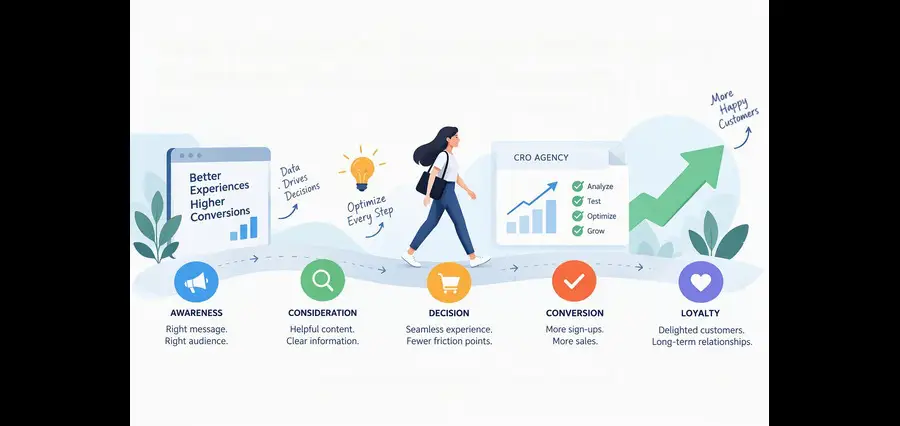





Marketing and selling in a business-to-business environment are dramatically evolving due to the impact of technology in the context of communication, customer outreach, and business relationship development. Firstly, this means that conventional forms of interaction, including face-to-face communications, telephone calls, catalogs, and networking, are becoming more advanced owing to the use of technology, artificial intelligence (AI), data analysis, and automated communication. Customers demand quick response, personalization of recommendations, clearness of information and ease of purchase. Thus, companies should reconsider their strategies of marketing and sales in order not to fall behind in the competition. Further success of B2B development depends on the ability of companies to implement innovations in customer relations, information accuracy and salespeople skills.
The Rising Significance of Digital Marketing
Modern digital marketing has turned out to be a vital element in B2B business development. Organizations make use of SEO techniques, content marketing, email marketing, social media, and online advertising in order to communicate with prospective business customers. Digital tools make it possible to introduce products or services and obtain quality leads in the global markets.
Contrary to conventional marketing approaches, digital channels provide more ways to analyze customer interaction and campaign effectiveness. It becomes clear what kind of content is interesting for customers, which digital channel drives them to make inquiries and where people abandon the purchase process. As reported in the journal Journal of Business & Industrial Marketing, digitalization impacts the sphere of B2B marketing activities. In the future, organizations will pay more attention to relevant content, increased online presence, and effective communication with targeted audiences.
Artificial Intelligence and Marketing Automation
Eugene Leow of Solmi.ai said, Artificial intelligence is likely to be used in the business-to-business market and sales more frequently in the future. Using AI solutions, it will be possible to examine client data, recognize purchasing behavior, forecast potential demand, and create more effective marketing campaigns. This will allow firms to understand their clients’ needs and share product information depending on the current buying stage.
The usage of marketing automation will change the way in which tedious tasks are done. Using automated emails, CRM, chatbots, and lead scoring will allow the marketing department to filter and evaluate the prospects and their worthiness. At the same time, AI tools will assist the sales department in analyzing the clients and making recommendations based on their communication history.
However, it is important to emphasize that technology can assist in the decision-making process but cannot replace it completely.
The Rise of Omnichannel Consumer Experience
Modern B2B buyers interact with their vendors through multiple touchpoints before making a purchase decision. For instance, one may look up the firm online, visit their website, study information about their products, communicate via email, and ultimately communicate with the salesperson. This has led to the emergence of omnichannel marketing in business development.
As reported by the 2024 McKinsey B2B Pulse survey, the average business buyer communicates via ten different communication channels during the purchasing process. The report emphasizes the importance of maintaining consistency of communications both online, off-site, and face-to-face.
This implies that firms must ensure that there is consistency in the information they present through their website, social media sites, email and sales personnel. It creates a seamless customer experience for consumers that is not confusing and accessible. In the future, the most successful B2B firms will focus less on managing the marketing channels separately and more on providing a seamless customer experience.
Data-Driven Decision-Making in Sales
Eric Croak, President of Croak Capital, said that data analysis is a new method being used by organizations in order to find their target audience, learn more about them, and develop marketing strategies based on that. Instead of relying on assumptions and prior experiences to make business decisions, organizations have data from their customers to make business decisions.
Customer relationship management provides sales teams with information regarding their customers and their history, along with sales opportunities. Although predictive analytics may work for identifying the customers who would like to purchase something, sales forecasting is useful in resource allocation.
According to scientific research on the digital transformation of B2B sales, it is important to develop analytical skills and align organizational processes with innovations in technology. In terms of increased digital competition, firms will benefit from having good data analysis skills when identifying market opportunities.
Personalization and Customer-Centric Approach in Marketing
The phenomenon of personalization is expected to become one of the major trends in B2B marketing in the future. Business customers have different requirements, different financial resources, different levels of technical sophistication, and different problems. As such, it cannot be assumed that the general message will work for everybody.
The information provided by customers may assist businesses in creating personalized campaigns, offers, and communication. For example, a producer of industrial equipment may provide different information to purchasing managers, technologists, and business executives.
The research literature about B2B omnichannel management highlights the significance of customer insights and personalized marketing in various touchpoints. Personalization allows companies to show their awareness of the clients’ needs. It increases trust, engagement, and prospects of establishing long-term commercial relations.
The Transforming Function of Sales People in B2B
Matteo Valles of Vol Case said that the process of digital transformation does not imply that salespeople will become obsolete. Rather, there will be some changes in the function they perform. The buyer is capable of researching the supplier, comparing products, studying the technical specifications, and looking for pricing details without contacting the salesperson. As a result, the salespeople have to add more value by consulting, providing knowledge and solving problems.
These people will need to comprehend the customer’s needs, highlight the benefits of the product and negotiate the commercial terms of the sale. Good interpersonal skills will be vital in this case, particularly if the business is considering a sophisticated and costly solution. Research from Gartner further underlines the importance of augmenting the digital experience with good sales support.
Challenges and Opportunities of the Digital Transformation
Steven Mostyn, CEO of Career Agents, said digitalization offers many opportunities for B2B companies; however, there are some challenges associated with the digital transformation. Such aspects as data security issues, problems with privacy, expenses on technologies, and problems with integrating technologies may have an impact on the efficiency of the digital transformation. The confidentiality of all the client data has to be guaranteed, and marketing activities have to be conducted according to the data security regulations.
One more problem associated with the digital transformation is establishing communication with the customers if all processes become automated. It is important not to let automation control everything.
But there are also some opportunities offered by the digital transformation, such as entering the international market, finding new client groups, decreasing operational costs, and creating efficient sales processes. These opportunities can be used by those companies that have invested in staff training and technologies.
Conclusion
The future of B2B marketing and selling will depend upon many factors such as artificial intelligence, digital marketing, automation, analytics and customer expectations. It is suggested that the company should move forward with an approach different from the traditional approach and find innovative ideas about creating a strategy that will include both digital marketing and customer experience. According to research conducted by McKinsey, Gartner, and other academic journals, the significance of omnichannel communications, customer insights, and the collaboration between marketing and sales departments is becoming more important for the future of B2B marketing and selling. Yet technology alone will not bring success.