


Advancing Industry Standards
A parcel that leaves a factory in Ohio on Monday and reaches a doorstep in Texas by Wednesday passes through a dozen hands, scanners, and screens. Each handoff is a chance to lose time. The Future of Logistics Engineering is about shrinking those chances, one handoff at a time.
Business owners often hear big claims about drones and self-driving fleets, yet the real progress is quieter. It happens in warehouse layouts, software settings, and daily planning meetings. Here are the trends worth watching and what each one means for a company that wants to grow.
What Is Pushing the Industry Forward
Buyers have changed the rules. Free two-day shipping used to be a perk, and now it is the baseline. Meanwhile, fuel prices, labor shortages, and port delays keep making planning harder. The Future of Logistics Engineering starts from this tension between higher expectations and shakier conditions.
Companies felt this during the supply disruptions of recent years. Some held up well because they had backup suppliers and flexible schedules. Others scrambled. That gap is why engineers are now asked to design for surprises rather than for perfect days.
Automation Gets Practical
Warehouse automation has moved past the showpiece stage. Wheeled robots now bring shelves to packers, and camera systems catch wrong labels before a box is sealed. In the Future of Logistics Engineering, these tools are priced for ordinary mid-sized firms, not just giant retailers.
The human side deserves equal attention. Pickers become machine supervisors and quality checkers, and that needs training. A company that skips this step often ends up with expensive equipment sitting idle while staff work around it.
Data That Arrives on Time
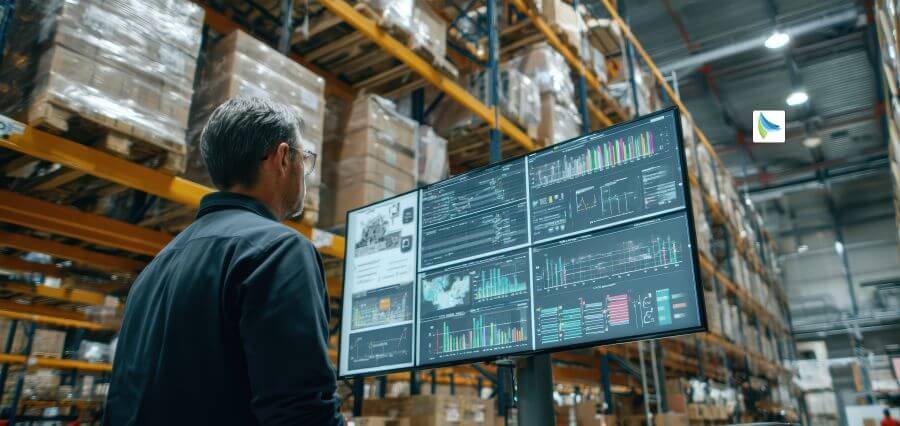
A weekly report is old news by the time anyone reads it. Tracking tags and cloud dashboards fix that by showing shipment locations and dock activity as they happen. The Future of Logistics Engineering depends on this kind of live view, since a late truck can be rerouted only if someone knows about it early.
Forecasting tools build on the same data. They compare past orders with weather and holiday patterns to estimate next month’s demand. Buyers can then order stock sooner, and shift planners can staff accordingly. Even a basic spreadsheet linked to order history is a decent first step.
Cleaner and Cheaper Transport
Fuel is one of the largest costs for any fleet, so cutting it helps both the planet and the budget. Companies are testing electric vans for city routes, combining small orders into full loads, and picking roads that avoid heavy traffic. Large clients are also starting to ask suppliers for emissions figures.
This is where the Future of Logistics Engineering shows its practical side. A shorter route saves money and also gives sales teams a stronger story to tell during a bid. Green and profitable are no longer opposing goals.
Bringing Sales and Logistics Together
In many firms, sales promises a date and the warehouse learns about it afterward. That habit creates angry calls and refunds. The Future of Logistics Engineering encourages a shared forecast, so reps know what the operation can handle before they commit to a customer. It is a simple sales strategy that protects trust.
Launches and seasonal peaks gain the most. Logistics can book trucks and add temporary staff once it hears about a campaign. Sales can steer buyers toward items that are well stocked. Both teams look better when they plan together.
First Steps for Your Business
Preparing for the Future of Logistics Engineering starts with a plain sketch of how an order travels, from supplier to customer. Mark every place where it waits or gets corrected. The longest wait is usually the best target.
Choose one improvement, run it for a month, and compare the numbers against the old way. If it works, repeat it elsewhere. Tell every department what you learned, because shared knowledge keeps good changes from fading.
Conclusion
The Future of Logistics Engineering will be built from everyday upgrades such as practical automation, timely data, cleaner transport, and closer teamwork between sales and operations. Companies that adopt them step by step gain speed without taking wild risks.
Waiting rarely helps, because customer expectations only move upward. Start with one process, measure it honestly, and improve it. A few months of steady effort can leave a business far ahead of rivals who are still talking about change.