


Agricultural operations depend on reliable machinery to maintain productivity throughout demanding seasons. When equipment experiences wear or component failure, operators face a critical decision: identify and source the correct replacement parts quickly or risk extended downtime that impacts revenue. The complexity of modern farm machinery, with its specialized hydraulic systems, precision electronics, and brand-specific engineering, makes parts sourcing a skill that separates efficient operators from those who struggle with prolonged equipment unavailability. Understanding the procurement process for agricultural components requires knowledge of manufacturer systems, parts cataloging methods, and verification techniques that ensure compatibility.
The Economic Impact of Equipment Downtime
Every hour that a tractor, harvester, or implement sits idle represents lost operational capacity. During critical periods such as planting windows or harvest seasons, this downtime translates directly into financial loss. The cost extends beyond the immediate work stoppage—delayed planting can reduce yield potential, while harvest delays may result in crop quality degradation or weather-related losses. Operators who maintain efficient parts procurement systems minimize these risks by reducing the time between component failure and repair completion. This efficiency requires preparation, including maintaining relationships with parts suppliers, understanding lead times for specialized components, and keeping critical spare parts in inventory.
Preventive Maintenance and Parts Planning
Proactive operators approach parts sourcing as an ongoing maintenance strategy rather than a reactive crisis response. This methodology involves tracking component wear patterns, anticipating replacement needs based on operating hours, and ordering parts before failure occurs. Hydraulic hoses, filters, belts, and bearings represent high-wear items that can be replaced during scheduled maintenance intervals. By sourcing these components in advance, operators avoid emergency orders that often incur expedited shipping costs and extend equipment downtime. Documentation of maintenance schedules and parts replacement history provides valuable data for predicting future needs and budgeting for component replacement costs.
Navigating Manufacturer Parts Systems
Major agricultural equipment manufacturers maintain extensive parts cataloging systems that organize components by model, serial number, and system. These databases represent decades of engineering documentation, with detailed diagrams showing component relationships and assembly sequences. When you need to locate specific components for your machinery, understanding how to find New Holland parts through official lookup systems ensures you receive factory-specification components designed for your exact equipment configuration. This precision matters because agricultural machinery often undergoes running changes during production, meaning two tractors from the same model year may have different component specifications based on their serial number ranges.
Serial number identification forms the foundation of accurate parts lookup. This alphanumeric code, typically found on a plate affixed to the machine frame, unlocks the complete configuration record for that specific unit. Manufacturers use this information to match the correct components to your machine, accounting for factory options, engine specifications, transmission types, and regional variations. Without this serial number, parts specialists must make assumptions that can result in incorrect components, return processes, and extended downtime. Operators should photograph their equipment serial number plates and store this information in accessible formats for quick reference during parts ordering.
Component Verification and Cross-Referencing
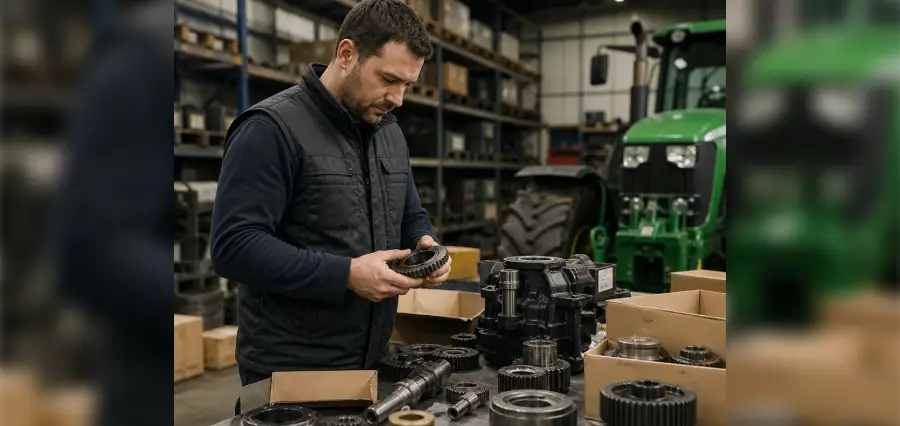
Part numbers represent the most precise method for ensuring component compatibility. These codes, printed on many components or listed in parts manuals, eliminate ambiguity in the ordering process. However, components may carry multiple identifiers—superseded part numbers when manufacturers redesign components, OEM part numbers that differ from aftermarket equivalents, and cross-reference numbers that identify compatible alternatives. Skilled operators verify part numbers through multiple methods: visual inspection of failed components, consultation with parts diagrams, and confirmation with parts specialists who can check supersession records and current availability.
Custom Agricultural Machinery Considerations
While standardized production equipment dominates most operations, specialized farming applications sometimes require custom machinery solutions. Innovative approaches to agricultural equipment design address unique operational challenges, from specialized harvesting equipment for niche crops to custom implements for specific soil conditions. These customized solutions present distinct parts sourcing challenges, as standard manufacturer catalogs may not cover modified components or specialized attachments. Operators running custom equipment should maintain detailed documentation of modifications, including component specifications, supplier information, and technical drawings that facilitate future parts replacement.
Aftermarket and OEM Component Decisions
The choice between Original Equipment Manufacturer (OEM) parts and aftermarket alternatives involves balancing cost, availability, quality, and warranty considerations. OEM components guarantee fit and performance specifications identical to original installation, backed by manufacturer engineering and often required to maintain warranty coverage on newer equipment. Aftermarket parts may offer cost savings and sometimes improve upon original designs, but quality varies significantly between manufacturers. Critical systems such as fuel injection, hydraulic controls, and electronic modules typically warrant OEM components, while less critical items like filters, lights, and basic hardware may perform adequately with quality aftermarket alternatives. Operators should evaluate aftermarket suppliers based on reputation, warranty support, and performance history rather than price alone.
Building Supplier Relationships
Long-term relationships with parts suppliers provide advantages beyond transactional efficiency. Knowledgeable parts specialists learn your equipment fleet, understand your operation’s priorities, and can provide insights about component availability, alternative solutions, and upcoming price changes. These relationships prove especially valuable during supply chain disruptions when allocation of scarce components may favor established customers. Regional agricultural dealers often maintain emergency parts inventory for critical components common to local equipment populations, while national distributors provide access to broader catalogs and competitive pricing. Successful operators cultivate relationships across multiple supplier tiers to ensure sourcing options regardless of availability challenges.
Emergency Sourcing Strategies
Despite careful planning, unexpected component failures occur. Emergency sourcing requires quick decision-making about repair versus replacement, OEM versus aftermarket components, and local availability versus expedited shipping. Making informed equipment decisions during high-pressure situations requires preparation—knowing which components can be rebuilt locally, which suppliers maintain emergency stock, and which items justify overnight shipping costs. Some operators maintain reciprocal relationships with neighboring farms, sharing critical spare parts inventory to minimize downtime across their community. This cooperative approach recognizes that equipment availability benefits the broader agricultural economy beyond individual operations.
Digital Resources and Technical Support
Modern parts sourcing increasingly relies on digital tools that streamline identification and ordering processes. Manufacturer websites offer parts lookup portals where operators can search by serial number, view exploded diagrams, and place orders directly. Mobile applications enable field-based parts identification using smartphone cameras to capture part numbers or visual component recognition. Video consultations with technical specialists allow remote diagnosis, reducing uncertainty about required components before ordering. These digital resources complement rather than replace human expertise—complex repairs still benefit from discussion with experienced technicians who can identify underlying causes of component failure and recommend preventive measures.
About HRAgriPower
HRAgriPower serves agricultural operators seeking reliable equipment support and technical resources. The organization provides comprehensive guidance on agricultural machinery maintenance, parts identification systems, and operational best practices. Through detailed technical documentation and educational resources, HRAgriPower helps equipment owners navigate the complexities of modern agricultural machinery service requirements. Their expertise spans multiple equipment brands and categories, supporting operations of all scales with information focused on maximizing equipment reliability and operational efficiency.
Conclusion
Effective parts sourcing represents a fundamental operational competency for agricultural equipment operators. The ability to quickly identify, verify, and procure correct components minimizes downtime, reduces costs, and maintains productivity during critical operational periods. This competency develops through experience with manufacturer systems, relationships with knowledgeable suppliers, and systematic documentation of equipment specifications and maintenance history. As agricultural machinery continues increasing in complexity, with integrated electronics and precision systems, the importance of accurate parts identification and sourcing will only grow. Operators who invest in developing these skills and building support networks position themselves for sustained success regardless of equipment challenges they encounter.